




The Power of Prepared Meals
Navjot Singh Sidhu recently highlighted Malaika Arora's commitment to her health regime on 'The Great Indian Kapil Show,' noting her consistent habit of
bringing pre-portioned meals in her own 'dabbas' to shooting locations. This practice, far from being a mere celebrity quirk, serves as a powerful illustration of how disciplined food management is fundamental to long-term wellness and fitness. While many might associate peak physical condition with intense workouts or fad diets, the true bedrock of good health is built upon consistent, conscious choices regarding what and when we eat. By preparing and carrying one's own food, individuals gain direct control over ingredient quality, portion sizes, and precise meal timings. These elements are absolutely vital for maintaining a stable metabolic rate and for preventing the derailment of healthy eating goals, especially when faced with the unpredictable demands of a busy professional life. This proactive approach to nutrition is a cornerstone of sustainable health practices.
Stabilizing Energy and Cravings
When individuals are forced to rely on external food sources or inevitably skip meals due to demanding work schedules, they frequently encounter significant fluctuations in their blood sugar levels. This instability can trigger a cascade of negative effects, including noticeable energy dips, a sense of fatigue, and an intensified desire for unhealthy, often high-calorie, snacks and foods. Conversely, adhering to a plan where meals are prepared in advance and consumed at designated times offers a starkly different outcome. These planned meals are instrumental in ensuring a steady release of energy throughout the day, providing the body with a balanced intake of essential nutrients, and promoting more efficient digestive processes. This consistent fuel source helps to ward off the dreaded energy crashes and curb impulsive unhealthy food choices, contributing to a more stable and positive relationship with food.
Regulating Hunger Hormones
The timing of our meals is just as critical to our overall health as the content of those meals. Experts emphasize that irregular eating patterns can significantly disrupt the delicate balance of our hunger hormones. These hormones, such as ghrelin and leptin, play a crucial role in signaling to our brain when we are hungry and when we are full. When these signals are inconsistent due to erratic meal times, it can lead to confusion within the body's regulatory systems, potentially causing us to feel hungry at inappropriate times or to overeat when we finally do sit down to eat. Furthermore, these disruptions can negatively impact our metabolic balance, affecting how our body processes energy and stores fat. Therefore, establishing a regular eating schedule, where meals are consumed at approximately the same times each day, is essential for maintaining optimal hormonal function and metabolic efficiency.
Embracing Indian Tiffin Culture
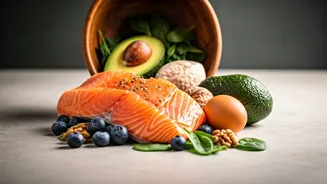
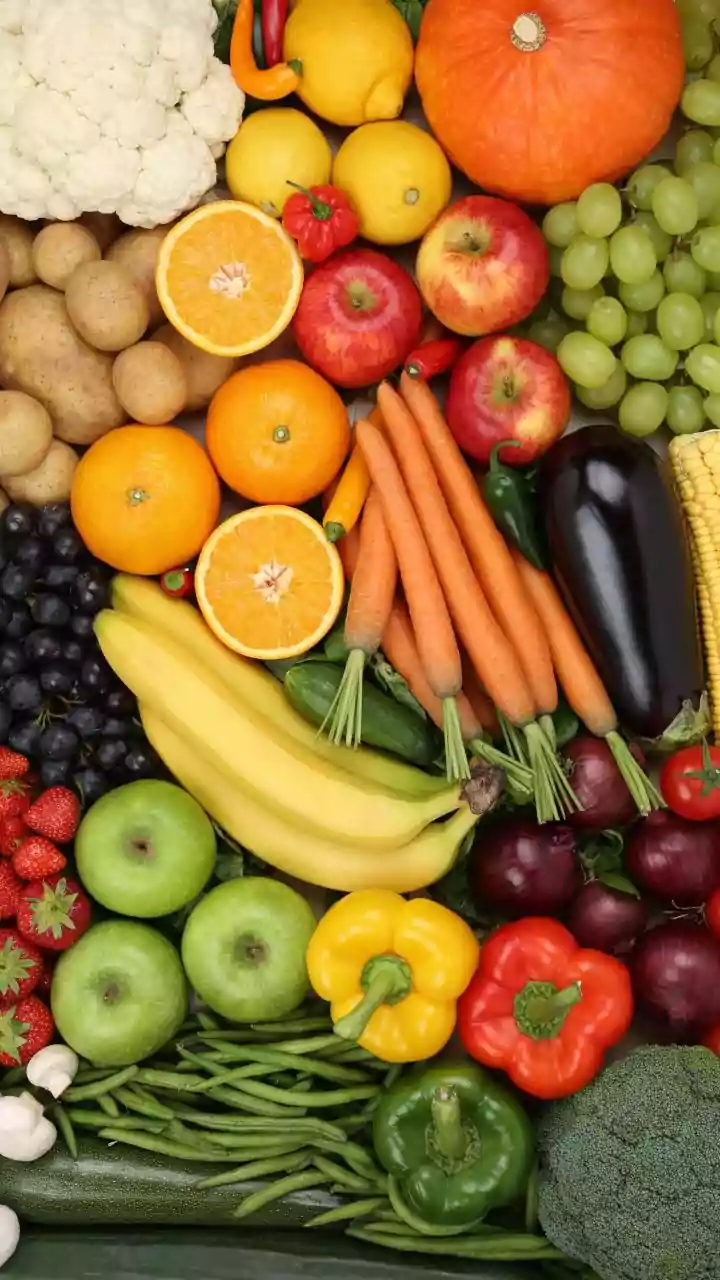
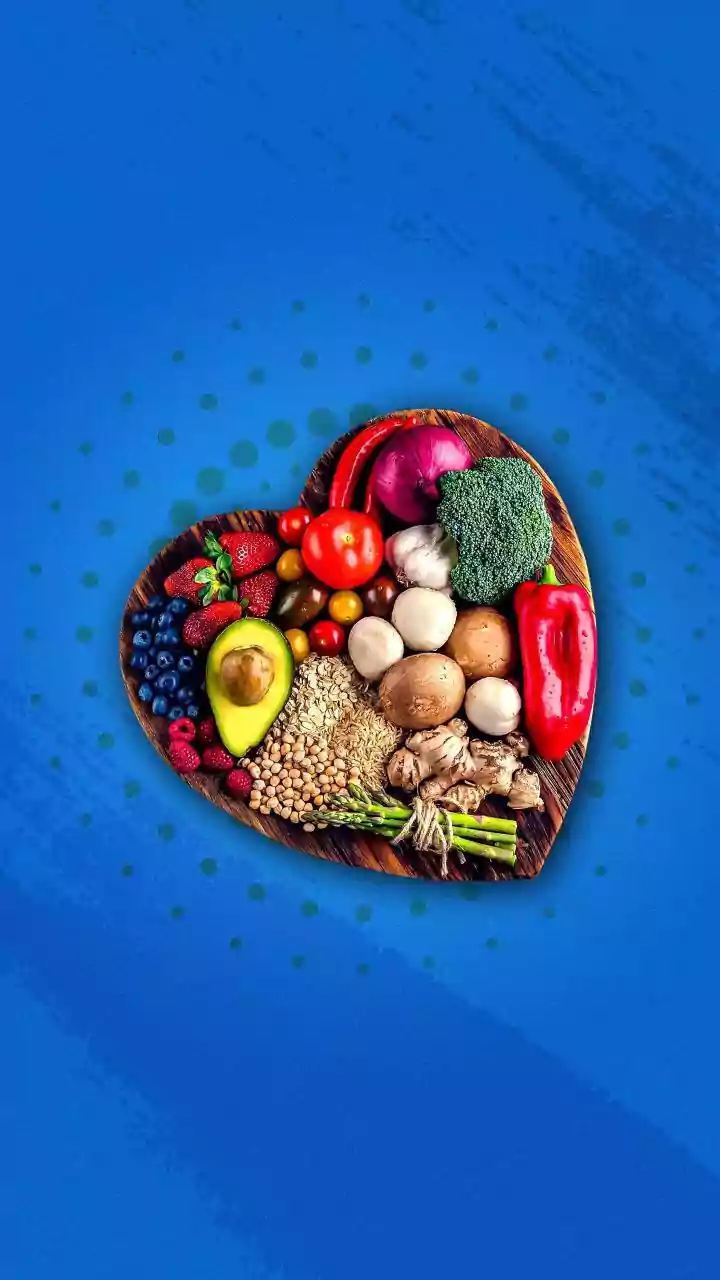
The long-standing tradition of the Indian 'dabba' culture inherently supports a more mindful and healthier approach to eating. This practice strongly encourages the consumption of home-cooked meals, which are typically well-balanced and comprise a variety of food groups. These meals commonly include essential grains for energy, a good portion of vegetables for vitamins and fiber, lean proteins for muscle repair and satiety, and healthy fats for overall bodily functions. Critically, home-cooked meals generally allow for greater control over the amount of oils, sodium, and preservatives used, ingredients that are often present in higher quantities in restaurant and processed foods. By embracing this traditional model of preparing and transporting meals, individuals are naturally guided towards a diet that is both nutritious and less reliant on potentially unhealthy commercial alternatives.