







The Nano Urea Leap
India's agricultural landscape has undergone significant transformations, marked by innovations like the Green Revolution and the subsequent widespread
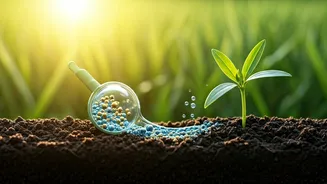
adoption of synthetic fertilizers. Currently, nano urea is being presented as the next frontier in this evolution. It's being championed as a sophisticated agricultural input designed for enhanced efficiency, reduced ecological impact, and a decreased reliance on traditional fertilizers. Supported by favorable government policies and expedited approval processes, the deployment of nano urea has been both swift and ambitious across the nation. This rapid integration positions nano urea as a key element in the ongoing efforts to modernize and improve agricultural productivity and sustainability.
Unanswered Health Questions
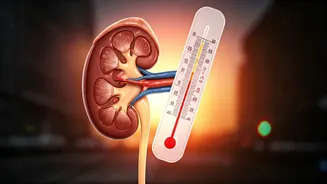
Despite the enthusiastic embrace and swift implementation of nano urea in Indian agriculture, a fundamental concern looms large and remains inadequately addressed: are we progressing with the adoption of this nanotechnology at a pace that outstrips our comprehension of its potential long-term consequences for human health? The accelerated rollout, driven by promises of improved agricultural outcomes and environmental benefits, necessitates a more thorough and critical examination of the safety aspects. As nano urea becomes more prevalent, understanding its interaction with human physiology and its cumulative effects over time is paramount. The rush to scale this technology may inadvertently bypass essential scientific scrutiny, leaving public health vulnerable to unforeseen risks associated with prolonged exposure and environmental accumulation.