




Deal's Geo-Economic Drivers
The revival of India-EU trade talks can be attributed to several geo-economic shifts that reshaped global dynamics. These shifts played a crucial role
in injecting fresh momentum into the negotiations. One major factor was the evolving global economic landscape, where both India and the EU recognized the strategic importance of strengthening their partnership. The changing balance of power, with emerging economies like India gaining prominence, also influenced the urgency to conclude the FTA. Furthermore, both parties were keen on diversifying their trade relationships and reducing reliance on specific regions. This strategic vision motivated both sides to overcome obstacles and reach a consensus, ultimately driving the deal across the finish line after two decades of discussions.
Why This Deal Matters
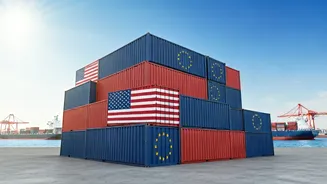
The India-EU FTA holds substantial importance for both parties, promising a multitude of benefits. For India, the deal unlocks greater access to the EU market, one of the world's largest economic blocs, opening doors for Indian businesses to expand their reach and boost exports. This also encourages foreign investment, creating new opportunities for growth and job creation within India. For the EU, the agreement strengthens its presence in the rapidly expanding Indian market, offering avenues for European companies to tap into India's vast consumer base and contribute to its economic development. The FTA is more than just about trade; it is a strategic alignment that fosters deeper cooperation in various fields, including technology, sustainability, and security, creating a more interconnected and resilient global economy. This partnership also eases mobility for Indian students and workers, allowing them easier access to educational and professional opportunities within the EU, promoting a flow of talent and knowledge between the two regions.
Ironing Out Issues
Negotiations between India and the EU spanned two decades, and the road to the final FTA was paved with complex challenges that needed to be resolved. Key issues included differences in tariffs, regulatory frameworks, and market access rules. Both sides needed to make concessions, finding a balance between their own interests and mutual benefits. A significant hurdle was the protection of intellectual property rights, where both parties sought to safeguard their innovation and creative industries. Agricultural products were another sensitive area, as India and the EU have varying standards and trade preferences. Negotiations also tackled labor standards, environmental regulations, and sustainable development goals, ensuring that the agreement would promote responsible trade practices. Overcoming these hurdles required persistent dialogue, political will, and a shared vision for a successful trade partnership. Ultimately, mutual understanding, flexibility, and a willingness to compromise laid the groundwork for the deal's conclusion.
EU Market Dynamics
The EU market represents a significant opportunity for Indian businesses, offering access to a massive consumer base and diverse industries. The EU is a major trading partner globally, and its well-established infrastructure, high standards, and purchasing power provide a conducive environment for Indian exporters. Key sectors where Indian companies can find growth opportunities include textiles, pharmaceuticals, engineering goods, and information technology. The FTA facilitates reduced tariffs and streamlined regulations, further enhancing access for Indian products and services. The EU's focus on sustainable development and its emphasis on ethical sourcing also align with India's growing commitment to environmental and social responsibility, paving the way for a more sustainable and equitable trade relationship. Understanding the dynamics of the EU market, including consumer preferences and evolving regulations, is vital for Indian businesses seeking to capitalize on the trade agreement.
A Path Forward
With the India-EU FTA finalized, the focus shifts to implementation and maximizing its potential. Both parties must actively work on operationalizing the agreement and ensuring that businesses and stakeholders are fully informed about its provisions and benefits. Key areas for future efforts include monitoring trade flows, addressing any unforeseen challenges, and continuously refining the agreement to adapt to evolving market conditions. Further efforts are needed to promote awareness among Indian businesses, providing them with the necessary support and resources to navigate the EU market effectively. This encompasses providing market intelligence, export promotion programs, and trade facilitation services. The agreement should be seen as a dynamic framework, where both sides collaborate to address emerging issues, build on successes, and deepen their economic partnership. The success of the FTA hinges on continued dialogue, cooperation, and a shared commitment to its long-term objectives.