


Prime Location & Potting
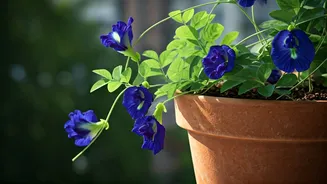
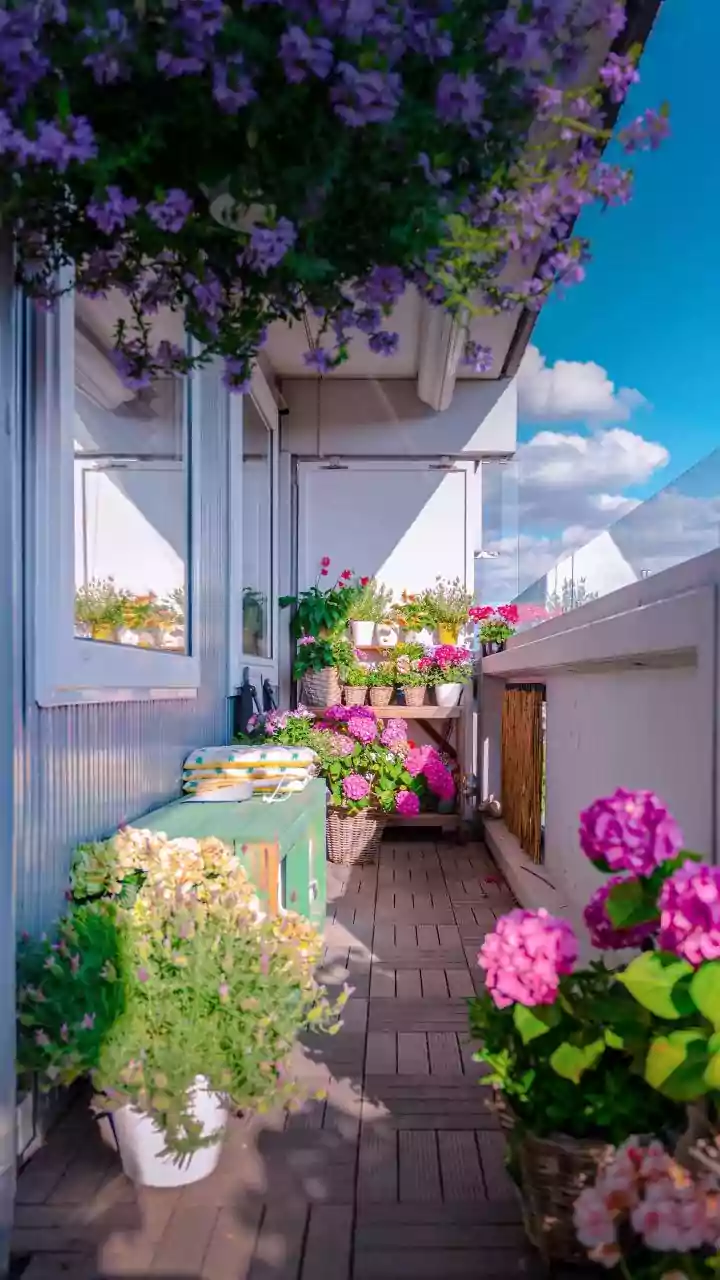
To ensure your Aparajita thrives, select a location on your balcony that receives ample direct sunlight for the majority of the day; this plant adores
full sun, which is crucial for prolific flowering. When choosing a container, opt for one that is at least 8-12 inches deep and 12-14 inches wide, providing sufficient root space. Most importantly, the pot must have adequate drainage holes to prevent waterlogging, a common pitfall that can severely harm the roots and inhibit flower production. A well-draining environment is paramount for this delicate climber's health and continued blooming cycle.
Soil Mix Essentials
The foundation of a healthy Aparajita plant lies in its soil. This vine prefers a light, fertile mix that allows for excellent drainage. Aim for a potting medium that is not overly dense and incorporate compost to enrich it with nutrients while maintaining aeration. The goal is to provide soil that is moist enough to support growth but never waterlogged. This balance is key to preventing root rot and encouraging robust development. A good potting mix, perhaps enhanced with organic matter, will create the ideal environment for your Aparajita to flourish.
Seed Germination Magic
Starting your Aparajita from seeds is a straightforward process, but a little preparation can significantly boost germination rates. Before planting, it's beneficial to soak the seeds in water for several hours, or even overnight. This soaking period helps to soften the tough outer seed coat, making it easier for moisture to penetrate and kickstart the germination process. For even quicker results, some gardeners gently nick the seed coat with a fine file or sandpaper before soaking. Ensuring warm conditions post-sowing will further encourage successful sprouting.
Planting and Watering
Once your seeds are ready, plant them about an inch deep in your prepared potting mix, ensuring they are spaced apart to prevent overcrowding as they grow. Maintain consistent, light moisture in the soil until you observe germination. Aparajita plants have a moderate thirst, especially when they are young and establishing themselves. Water thoroughly when the top inch of soil feels dry to the touch, but avoid the temptation to overwater. Focus the water directly on the soil, minimizing contact with the leaves, as prolonged moisture on foliage can invite fungal diseases. Timely and measured watering is more beneficial than frequent, superficial applications.
Support Systems
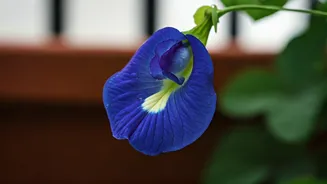
As a natural climber, Aparajita requires structural support to grow upwards and display its beauty effectively. Whether it's a modest trellis, a sturdy railing, a wire frame, or even your balcony's grill, providing a climbing surface is essential. Without adequate support, the vine tends to sprawl haphazardly, which can detract from its aesthetic appeal. A well-placed support system not only guides its growth but also encourages a more compact and attractive presentation, maximizing the visual impact of its vibrant blue flowers in your balcony garden.
Pruning for Blooms
Regular maintenance, including pruning and deadheading, plays a vital role in encouraging prolific flowering and maintaining the plant's shape. Trimming back overgrown or leggy stems stimulates new growth and encourages the plant to produce more blossoms rather than focusing its energy on seed production. Removing spent flowers, a practice known as deadheading, signals the plant to continue blooming. For pests like aphids, a simple strong spray of water is often effective in dislodging them. Removing heavily infested leaves can also help manage minor infestations, keeping your Aparajita healthy and producing beautiful flowers.