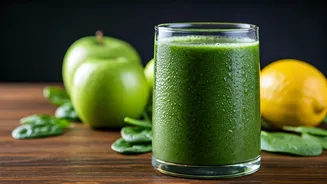







Introduction: Why Drinks?
Many people are now seeking natural, accessible methods to manage their health, and morning drinks present an easy and effective starting point. High blood
pressure, a prevalent health issue, often requires dietary and lifestyle adjustments. Incorporating specific beverages into your morning ritual can contribute to significant improvements in blood pressure. The emphasis is on utilizing common ingredients and straightforward preparation methods, making these recommendations easily adaptable. The following sections will detail five specific drinks known for their blood pressure-lowering properties, each explained with its benefits and preparation guidelines to provide a solid base for anyone looking to support their heart health from the start of the day. This shift emphasizes wellness with readily available components.
Beetroot Juice Benefits
Beetroot juice is recognized for its potent impact on blood pressure. This vibrant red vegetable is rich in nitrates, which the body converts into nitric oxide. Nitric oxide helps relax and widen blood vessels, which in turn lowers blood pressure. Scientific research strongly backs this claim, with studies demonstrating significant reductions in both systolic and diastolic blood pressure after beetroot juice consumption. Preparing beetroot juice is straightforward; you can either juice raw beets or blend them with other fruits and vegetables for a more palatable flavor. For optimal results, incorporating beetroot juice regularly into your diet, possibly starting with a small daily glass, is recommended. The drink’s ability to improve blood flow not only benefits the heart but may also contribute to overall cardiovascular well-being, highlighting its value as a morning beverage.
Hibiscus Tea's Power
Hibiscus tea presents another effective natural method to reduce blood pressure. This herbal tea, derived from the hibiscus flower, is packed with antioxidants and compounds that support cardiovascular health. Research suggests that regularly consuming hibiscus tea can lead to notable drops in blood pressure, potentially due to its vasodilatory effects and the ability to reduce inflammation within the circulatory system. Preparing hibiscus tea is simple: steep the dried hibiscus flowers in hot water for about 5-10 minutes. Adjusting the concentration of the tea can allow for personal taste preferences. Drinking hibiscus tea as a regular morning practice is recommended for sustained cardiovascular benefits. Its pleasant taste and ease of preparation render it an inviting choice, assisting in making this approach sustainable as a healthy daily habit.
Tomato Juice Advantage
Tomato juice, often considered a breakfast staple, also provides significant advantages for blood pressure control. Tomatoes are abundant in potassium, an essential mineral that helps regulate blood pressure. Potassium works by counteracting the negative effects of sodium, which can elevate blood pressure levels. Furthermore, tomatoes contain lycopene, an antioxidant linked to improved cardiovascular health. Consuming tomato juice provides a simple and tasty method to introduce these beneficial nutrients into your daily routine. Freshly juiced tomatoes provide the most nutritional benefits, although store-bought varieties can also serve, contingent on minimal added sodium. Regular tomato juice intake, incorporated into your morning meal or consumed on its own, can positively affect your blood pressure management plan. Its ease of integration makes it a practical choice for consistent use.
Pomegranate Juice's Role
Pomegranate juice is rich in antioxidants and also supports heart health, including blood pressure management. The antioxidants in pomegranate juice help protect blood vessels from damage and enhance nitric oxide production, which aids in widening blood vessels, thus lowering blood pressure. Studies have indicated that regular consumption of pomegranate juice can lead to measurable reductions in systolic blood pressure. Preparing pomegranate juice can involve juicing fresh pomegranates or using commercially available products, opting for varieties with no added sugars. Including pomegranate juice in your morning routine, either by itself or as part of a blended drink, can offer a delightful and beneficial start to the day. Its refreshing taste and health benefits make it a strategic option for sustaining your cardiovascular wellness goals over the long term.
Celery Juice Benefits
Celery juice is another effective choice for managing blood pressure, thanks to the presence of phthalides, compounds that have been shown to relax blood vessel walls. This effect promotes better blood flow and can contribute to lower blood pressure. Celery is also a source of potassium, further supporting its role in blood pressure regulation. Making celery juice involves blending fresh celery stalks. The taste may be strong for some; therefore, blending it with other fruits or vegetables like apple or cucumber can enhance the flavor. Consuming celery juice daily, particularly in the morning, can have a noticeable effect on blood pressure control. It is a natural and accessible option for those seeking a practical method to improve their cardiovascular health, integrating seamlessly into a morning routine.