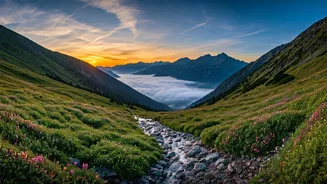






Natural Sleep Revival
Urban life often disrupts our natural sleep patterns, with artificial light and noise significantly delaying melatonin production, impacting over 70% of urban
Indians. However, immersing oneself in the natural darkness of hill stations can effectively reset the body's circadian rhythm. Scientific studies, including a 2017 finding, suggest that even a single weekend devoid of artificial light can advance our internal clock by up to 2.5 hours, synchronizing wakefulness with sunrise. The early morning light itself acts as a powerful stimulant, offering alertness comparable to caffeine without any subsequent crash. Experiencing this in locations like Kasauli, where the environment encourages deep, uninterrupted slumber and mornings filled with profound clarity, highlights the tangible benefits. Forest environments, as confirmed by 2025 research, further contribute by lowering stress hormones, extending their positive effects long after the trip concludes, proving that nature's quietude is a potent sleep aid.
Metabolism Boost
The combined effects of air pollution and sedentary lifestyles prevalent in cities contribute to a slowdown in metabolic functions. A 2025 World Health Organization report indicates a concerning 15% rise in insulin resistance among adults due to city-induced stress. Hill stations offer a counteracting environment through cooler temperatures and air rich in oxygen, which can stimulate the activation of brown fat. This process generates heat by burning calories, potentially boosting metabolic rates by up to 20% in short durations. Engaging in activities like trekking further enhances these benefits, as moderate hiking significantly increases energy expenditure and improves glucose metabolism and lipid profiles, thereby reducing the risk of diabetes, as noted in a 2025 review. The immersive experience of trekking through natural landscapes, even when challenging, can quiet mental noise and foster a deeper connection with the surroundings. Furthermore, meals at such retreats often prioritize locally sourced, seasonal ingredients prepared minimally, aligning nourishment with restoration. The invigorating cold air, far from causing discomfort, can ease breathing and subtly optimize metabolic efficiency, aligning with 2019 research suggesting nature exposure improves gut health and hormonal balance.
Clearer Skin
Chronic stress is a significant contributor to premature skin aging, with elevated cortisol levels exacerbating issues like acne and dullness in a large percentage of professionals, according to a 2025 analysis in the Indian Journal of Dermatology. Nature offers a potent remedy through reduced pollution and increased microbial diversity. Exposure to natural environments, such as forest soils and plants, can enrich the skin's microbiome, strengthening its protective barrier and diminishing inflammation. Studies in 2025 also indicate that brief periods spent in nature can lead to a noticeable decrease in cortisol levels, indirectly benefiting the skin by mitigating stress-induced breakouts. The tranquil atmosphere of hill stations, combined with their pristine air and the intentional simplicity of accommodations, encourages rest and disconnects individuals from constant screen exposure. This natural rhythm, coupled with fresh, unprocessed foods and pure mountain water, contributes to a healthier complexion. Research consistently highlights that outdoor sleeping in such settings, away from disruptive blue light, facilitates overnight cellular repair, leading to clearer and more resilient skin, demonstrating how cooler climates and natural landscapes promote holistic skin rejuvenation.
Stress Antidote
The rising rates of anxiety, which have seen a significant increase since the pandemic according to a 2025 study, underscore the need for effective stress management. Research indicates that even short durations of fifteen minutes spent in green spaces can reduce the risk of depression, with benefits amplifying significantly after forty-five minutes or more. Hill stations are particularly well-suited to provide these restorative effects, offering serene isolation and immersive sensory experiences. The natural sounds of rustling leaves and distant echoes can trigger parasympathetic nervous system responses, leading to a substantial drop in cortisol levels, by as much as 21%. Activities like hiking are also instrumental in releasing endorphins, the body's natural mood elevators, which build resilience against burnout. In an era characterized by constant digital connectivity, these retreats serve as crucial reminders that true decompression involves disconnecting from overwhelming stimuli, not from the restorative embrace of nature itself. As wellness travel trends increasingly focus on circadian rhythm optimization in 2026, these natural escapes offer an accessible yet profound path to well-being.