


Induction Cooktops: Swift Heat
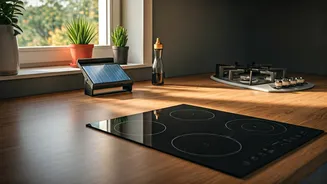
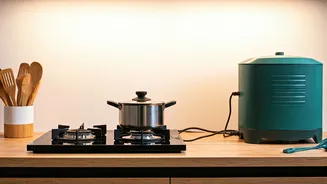
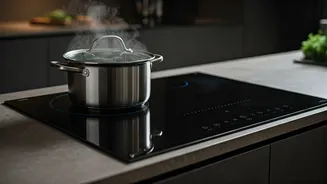
When the LPG cylinder is out of reach, induction cooktops offer a rapid and efficient alternative for urban kitchens that rely on stable electricity. These
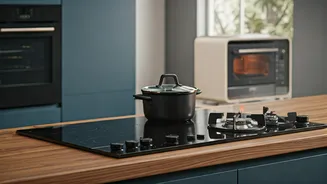
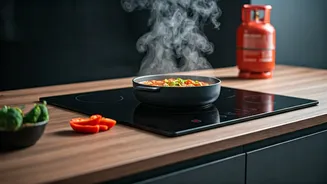
appliances work by generating a magnetic field that directly heats compatible cookware, eliminating the need for open flames or gas. They are known for their speed, often boiling water significantly faster than traditional gas stoves. Safety features like auto-shutoff and preset functions for common dishes such as dal and rotis add to their appeal, making them a secure option even in homes with children. In terms of energy efficiency, they typically operate at 80-90%, making them more economical than gas. The cost per meal is generally lower than LPG, making them a smart, long-term investment for households experiencing frequent refill delays or seeking a reliable backup.
Electric Pressure Cookers: Versatile Cooking
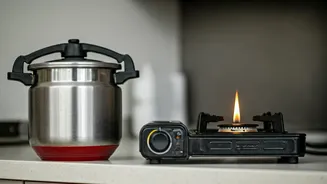
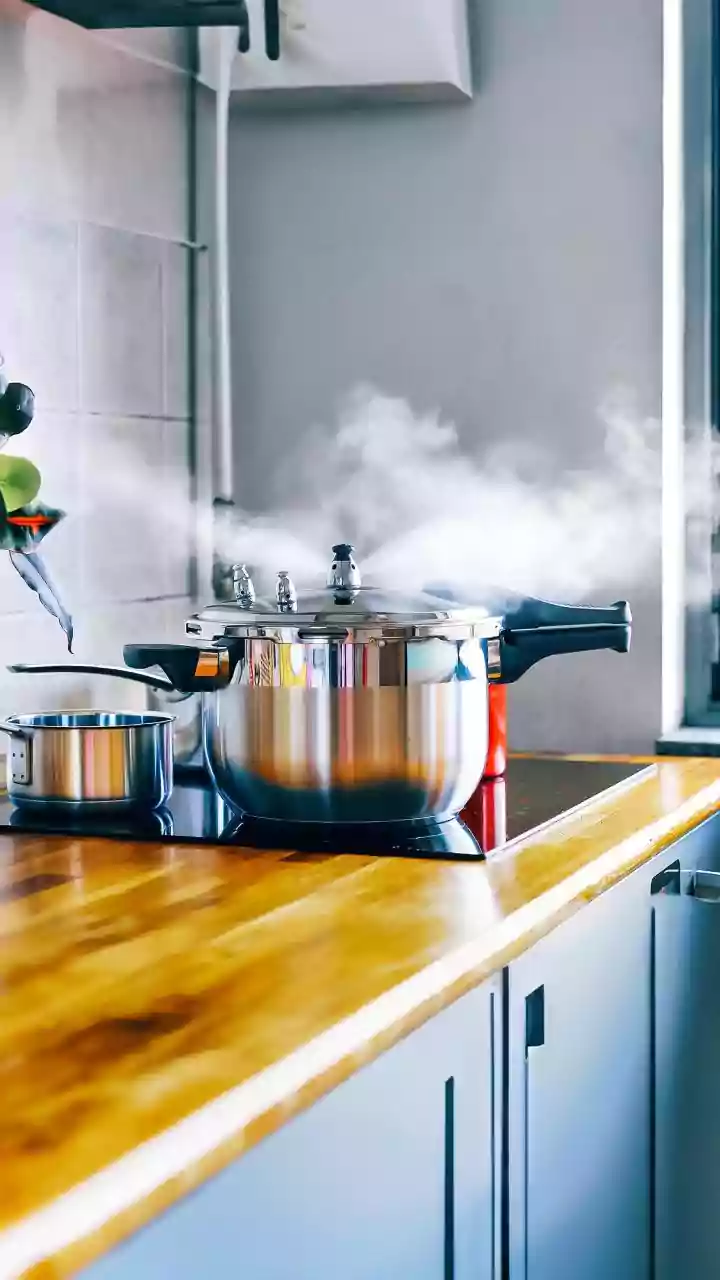
Electric pressure cookers are marvels of culinary convenience, capable of performing multiple cooking tasks with minimal supervision. They can expertly prepare rice, steam vegetables to perfection, and slowly simmer rich curries, all within a single appliance. Many popular brands boast a significant reduction in cooking time, often by as much as 70%, freeing up valuable time for busy households. The 'set-it-and-forget-it' nature means you don't need to constantly monitor your food, which is a boon when dealing with extended gas refill waiting periods, sometimes stretching to 25 days. By reducing reliance on LPG and consolidating various cooking functions, these electric devices help declutter the kitchen and simplify meal preparation, providing a practical solution during times of gas scarcity.
Solar Cookers: Harnessing Sunlight
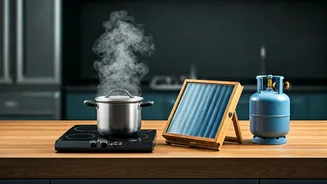
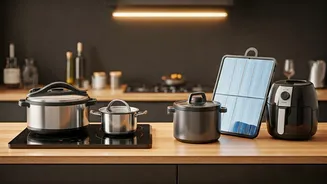
For those blessed with ample sunshine, solar cookers present a completely free and environmentally friendly cooking fuel source. Available in box or panel designs, these innovative devices utilize the sun's rays to gently simmer dishes like dal or even bake items such as bread, though they are best suited for clear, sunny days. The primary advantage is the absence of ongoing fuel costs; after an initial investment ranging from Rs 1,500 to Rs 5,000, the energy is entirely free. This makes them particularly attractive for rural areas in India that experience a high number of sunny days throughout the year. When paired with appropriate utensils, a solar cooker can comfortably serve meals for a family of 4–6 people, offering a sustainable and cost-effective cooking method that aligns with eco-conscious living and addresses fuel shortages effectively.
Biogas Systems: Kitchen Waste to Fuel
Biogas systems offer a sustainable and continuous supply of cooking gas by converting common household organic waste, such as kitchen scraps and cow dung, into usable fuel. These systems employ digesters, with initial setup costs typically between Rs 20,000 and Rs 50,000. Once operational, they provide a reliable energy source for cooking while simultaneously helping to manage and reduce household waste. Biogas is especially beneficial for farms and rural households that generate significant amounts of organic material. The Indian government often provides subsidies to offset the initial purchase and installation expenses, making this a more accessible long-term solution. It represents a self-sufficient and environmentally sound approach to cooking fuel, proving its worth during periods of conventional fuel disruption.
Air Fryers & Microwaves: Quick Bites
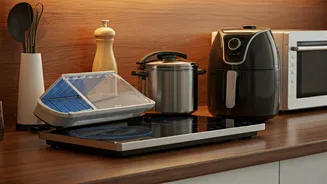
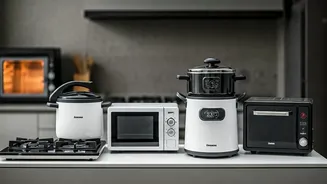
Air fryers and microwave ovens are excellent companions for quick meal preparation and reheating, offering alternatives that don't rely on gas. Air fryers are adept at creating crispy, fried textures with significantly less oil – up to 80% less fat – making them a healthier choice for snacks and sides. Microwaves excel at rapidly reheating leftovers in as little as two minutes, saving time and energy. While they may not be ideal for preparing elaborate main courses from scratch, they are perfect for handling snacks, appetizers, and reheating portions of meals. With affordable models starting around Rs 3,000, these appliances provide a convenient and often healthier way to supplement cooking needs, especially when LPG cylinders are unavailable, allowing you to reserve your gas for more complex dishes.