





Why Clean?
Neglecting your coffee maker allows mineral deposits and oils to accumulate, subtly altering your coffee's flavour and potentially shortening the machine's
lifespan. Regular maintenance ensures each cup is as fresh and vibrant as the first. This isn't just about taste; it's about preserving the internal mechanics from scale buildup that can hinder performance. Keeping your coffee maker pristine guarantees a superior brewing experience and helps your appliance serve you reliably for a longer period, making the simple act of cleaning a worthwhile investment in your daily ritual.
Initial Prep
Begin your coffee maker's refresh by completely emptying any remaining coffee from the carafe and discarding old grounds from the filter basket. Give the carafe a thorough rinse under warm water, focusing on removing any visible coffee oils or grounds that might be clinging to its surface. This preliminary step is crucial as it prevents old residue from mixing with your cleaning solution in later stages, ensuring a truly fresh start. A simple rinse now sets the stage for a more effective overall cleaning process.
Vinegar Solution Mix
To craft an effective natural cleaning agent, combine equal measures of white vinegar and water. This simple mixture is remarkably potent at breaking down mineral deposits that naturally form from water and effectively sanitizes the interior of your coffee maker. Unlike harsh chemical cleaners, this vinegar-based solution is gentle on your appliance's components while still delivering powerful cleaning results. It's a cost-effective and safe method to restore your coffee maker's internal pristine condition.
The Cleaning Brew
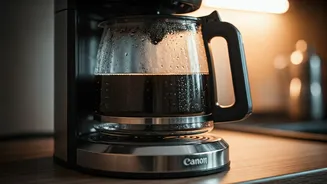
Pour your prepared vinegar and water solution into the coffee maker's water reservoir. Initiate a brewing cycle, but crucially, pause the machine when it has dispensed approximately half of the liquid into the carafe. Allow the solution to sit undisturbed within the machine for about 30 minutes. This resting period is vital, as it gives the vinegar solution ample time to actively work on dissolving stubborn mineral buildup and residue lodged deep within the coffee maker's internal tubing and heating elements.
Cycle Completion
Following the 30-minute soak, reactivate your coffee maker to complete the brewing cycle. As the remaining vinegar solution passes through, you may observe discoloured water or even small particles in the carafe – this is a positive sign, indicating that the cleaning solution has successfully dislodged unwanted deposits. Once the cycle finishes, pour out this discoloured liquid and briefly rinse the carafe to clear any remnants. Your machine is now visibly cleaner internally.
Rinsing Cycles
To ensure absolutely no trace of the vinegar solution remains, fill the water reservoir with fresh, clean water. Run a complete brewing cycle using only this fresh water. This flushes out any lingering vinegar taste or smell from the internal components. For thoroughness, repeat this entire fresh water brewing cycle one more time. This double rinse guarantees that your next cup of coffee will be pure and untainted by any cleaning agents.
Washing Parts
While the internal components are being flushed, turn your attention to the removable parts. Gently wash the carafe, the filter basket, and any other detachable pieces using warm water and mild dish soap. These components are prone to trapping coffee oils and fine grounds, which can impact taste. A careful hand wash and scrub will remove this buildup, ensuring that every part contributes to a fresh-tasting brew. Allow all washed parts to air dry completely before reassembling.
Exterior Shine
Your coffee maker's cleaning isn't complete without attending to its exterior. Take a soft, damp cloth and gently wipe down the outside surfaces. This simple step removes accumulated fingerprints, dust, and any accidental spills that can dull its appearance. A clean exterior not only makes the appliance look more appealing and modern but also contributes to a more pleasant overall kitchen environment, ready for your next brewing adventure.