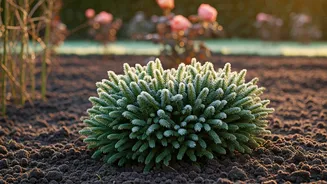




Bed Protection Strategies
Winterizing your garden beds is a crucial step that can significantly impact your plants' survival and their performance in the spring. Gardeners often
debate the necessity of covering beds, but a professional perspective suggests it's a practice that can make or break your garden's success. Covering beds can offer protection against harsh weather elements such as fluctuating temperatures, heavy snowfall, and strong winds, which can damage delicate root systems and emerging growth. Mulching, for instance, with materials like straw, shredded leaves, or wood chips, helps insulate the soil, preventing extreme freeze-thaw cycles that can heave plants out of the ground. Furthermore, raised beds or those with perennial plants benefit greatly from a protective layer to shield them from the elements and retain moisture. This proactive approach ensures that the soil remains stable and the plants are shielded from potential winter-related damage, setting the stage for robust growth when warmer weather arrives.
Propagating for Spring
The winter months, surprisingly, present an opportune moment for propagating roses, a practice that lays the groundwork for a spectacular spring bloom. While it might seem counterintuitive to work with dormant plants, this period is ideal for taking cuttings. Softwood or semi-hardwood cuttings taken during late winter or early spring, before new growth fully emerges, have a higher success rate. These cuttings, typically taken from the previous year's growth, are then planted in a suitable rooting medium, often a mix of perlite and peat moss, and kept in a humid environment. This allows them to develop a strong root system in isolation before being transplanted into the garden as the weather warms. This method not only ensures you have more rose bushes for your garden but also allows you to experiment with different varieties, ultimately leading to a more diverse and vibrant floral display come springtime. It’s a patient process, but the rewards of abundant, healthy roses are well worth the effort.
Frost Defense Techniques
Protecting your plants from frost is a fundamental aspect of ensuring they thrive into spring, and employing professional techniques can make all the difference. As temperatures dip, tender plants are particularly vulnerable to damage. A common and effective method is to cover susceptible plants with frost cloths, blankets, or even old sheets before nightfall. These coverings create a microclimate, trapping radiant heat from the soil and preventing frost from forming on the foliage. For larger plants or shrubs, consider using burlap wraps or plant cages filled with insulating material like straw. Watering your plants thoroughly before a predicted frost can also help, as moist soil retains heat better than dry soil. Another strategy is to group container plants together in a sheltered location, such as against a south-facing wall, to provide mutual protection. Early detection and consistent application of these protective measures are key to safeguarding your garden from the damaging effects of frost.
Winter Composting Methods
Composting during winter offers a fantastic opportunity to generate nutrient-rich soil for your garden's spring revival. Several straightforward methods can be employed to keep the composting process active, even in colder temperatures. One approach is to continue adding kitchen scraps and yard waste to your compost bin or pile, ensuring a good mix of 'greens' (nitrogen-rich materials like vegetable peels) and 'browns' (carbon-rich materials like dried leaves and cardboard). While decomposition may slow down in freezing conditions, it doesn't stop entirely, especially if the pile is insulated or contains enough mass. Another effective technique is to create a 'cold compost' pile, which is less actively managed but still breaks down organic matter over time. This is particularly suitable for plant debris that might take longer to decompose. Alternatively, consider vermicomposting with worms in a sheltered location, as they can continue to process food scraps. The resulting compost, ready by spring, will be a valuable amendment, boosting soil fertility and promoting healthier plant growth.
Protecting Vulnerable Plants
Garden professionals highlight that several plants require extra protection from winter freezes, going beyond the usual suspects. While many gardeners focus on tender perennials, it's important to recognize that even some seemingly hardy species can suffer damage. For instance, broadleaf evergreens like rhododendrons and azaleas can be susceptible to winter burn, where their leaves dry out and turn brown due to frozen soil and desiccating winds. Similarly, young trees and shrubs with thin bark are vulnerable to frost cracks and animal damage. Citrus plants, depending on the variety and climate, may need to be brought indoors or heavily protected. Even some ornamental grasses can be damaged by excessive moisture and freezing, leading to rot. Identifying these specific vulnerabilities and applying appropriate measures, such as mulching, wrapping, or relocating container plants, is essential for their survival and to ensure a beautiful garden landscape throughout the year.
December Garden Habits
There's a simple yet highly impactful garden task that professionals consistently perform in December, a habit that extends its benefits throughout the winter and primes the garden for spring. This often overlooked chore involves inspecting and tidying up your garden. This includes removing any lingering diseased foliage or plant debris that could harbor pests and diseases over winter. It also involves checking any protective measures put in place, such as mulch layers or tree wraps, and reinforcing them if necessary. This is also an excellent time to assess the overall health of your plants and make notes for future planning. By dedicating just five minutes to these essential checks, you prevent potential problems from escalating, reduce the risk of overwintering pests and diseases, and ensure that your garden's infrastructure is sound, leading to a healthier and more productive growing season ahead.
Reblooming Christmas Cactus
Transforming your Christmas cactus from a post-holiday plant into a reliable bloomer year after year is an achievable goal with the right care. The key to reblooming lies in mimicking its natural dormant period. After the plant finishes flowering, reduce watering significantly, allowing the soil to dry out between waterings. Also, provide cooler temperatures, ideally between 50-60°F (10-15°C), in a location with indirect light. This period of reduced water and cooler temperatures should last for about 6-8 weeks. Once this dormancy is over, gradually reintroduce more consistent watering and brighter, indirect light. To encourage blooming for the next holiday season, you’ll need to manipulate the plant’s photoperiod starting in late September or early October. Keep the plant in complete darkness for 12-14 hours per day, with 10-12 hours of light, for about 6 weeks. This light manipulation signals the plant to produce flower buds, ensuring a spectacular display.
Snow's Role in Gardens
Understanding whether snow is a friend or foe to your garden beds is critical for effective winter management. While often perceived as insulating, snow can sometimes cause damage. Light, fluffy snow acts as a natural insulator, protecting plants from extreme cold and wind, much like mulch. It traps air, providing a buffer against temperature fluctuations. However, heavy, wet snow, especially when it accumulates in large quantities, can be problematic. The sheer weight of the snow can break branches, flatten delicate plants, and compact the soil, hindering air circulation. Garden professionals advise that while it's generally best to let snow lie naturally, if branches are clearly bent or at risk of snapping under the weight of extremely heavy snow, gentle removal might be necessary. Otherwise, allowing snow to cover the garden provides a protective blanket that can be beneficial for soil health and plant survival.
Reusing Christmas Needles
Don't let your Christmas tree needles become mere waste; they offer a treasure trove of benefits for your garden. Repurposing these fallen needles is an eco-friendly practice that enhances soil health and plant well-being. One of the most effective uses is as a natural mulch. Pine needles create a slightly acidic environment, which is ideal for acid-loving plants like blueberries, rhododendrons, and azaleas, helping to retain soil moisture and suppress weeds. They also decompose slowly, gradually releasing nutrients into the soil. Another application is adding them to your compost bin; their carbon-rich nature balances out nitrogen-heavy kitchen scraps, aiding in the decomposition process. Some gardeners even use them to create natural pathways in their garden beds, providing a soft, springy surface. When using them as mulch, aim for a layer of 2-3 inches, keeping them slightly away from the immediate base of plant stems to prevent moisture buildup and potential rot.
Winter Fertilization Myths
The question of whether fertilizing in winter is a waste of time and money is a common one among gardeners. Generally, most plants are dormant or growing very slowly during winter, meaning they have limited capacity to absorb nutrients. Therefore, applying high-nitrogen fertilizers during this period is often ineffective and can even be detrimental, potentially encouraging weak new growth that is susceptible to frost. However, there are exceptions. For certain evergreen plants that continue to show some growth, or for specific soil conditioning purposes, a light application of a slow-release, balanced fertilizer might be beneficial in late winter, just as the first signs of spring growth begin to appear. This provides a gentle boost as the plant prepares for the active growing season. It's crucial to understand your specific plants' needs and local climate conditions rather than applying a blanket fertilization strategy during the cold months.