








Rice: A Staple's Dilemma
Rice, a cornerstone of diets worldwide for millennia, presents a common dilemma for many, particularly regarding weight management. As lifestyle diseases
escalate, linked to dietary choices, understanding the nuances between brown and white rice becomes crucial. Projections indicate a significant rise in obesity by 2050, emphasizing the importance of proactive dietary strategies. This article delves into the specifics of each rice type, guiding you toward a choice that aligns with your personal health and weight loss aspirations. It examines the nutritional advantages and potential drawbacks of both, empowering you to make a well-informed decision about your daily rice consumption.
Brown Rice's Nutritional Edge
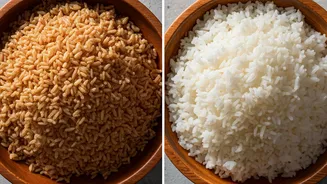
Brown rice stands out as a whole grain, meticulously preserving its bran and germ layers, which are packed with essential nutrients. This integral structure contributes significantly to its health benefits, especially for those aiming to shed pounds. With a lower Glycaemic Index (GI) ranging from 50 to 55, it facilitates a more gradual rise in blood sugar, crucial for managing appetite and preventing energy crashes. Brown rice boasts approximately 3.5g of fibre per 100g, promoting satiety and aiding digestion, while offering around 7.5g of protein per 100g for muscle support and metabolism. Its rich magnesium content, about 110mg per 100g, is vital for metabolic health and can play a role in preventing diabetes. Furthermore, it contains about 2.0mg of iron per 100g, helping combat anaemia, and a beneficial Vitamin B complex (B1, B3, B6) essential for energy metabolism. The antioxidants found in its bran layer also help combat oxidative stress, making it a superior choice for overall well-being and weight control.
White Rice: The Digestible Option
White rice, a refined grain, undergoes a milling process that strips away the bran and germ, resulting in a less nutrient-dense product compared to its brown counterpart. While its fibre content drops to a mere 0.6g per 100g, making it easier to digest for some, it also offers less satiety. Protein levels are slightly lower at about 6.5g per 100g. White rice contains approximately 78g of carbohydrates per 100g, which are quickly digested, leading to a rapid spike in blood sugar levels. This higher Glycaemic Index, typically between 70 and 75, can contribute to increased hunger and potentially overeating, posing a challenge for weight management. Its magnesium content is significantly reduced to about 25mg per 100g, and iron levels are also lower at approximately 1.2mg per 100g. Much of the Vitamin B complex and beneficial antioxidants are lost during processing. While easier to digest, its nutritional profile makes it a less favourable choice for active weight loss efforts compared to brown rice.
Weight Loss Insights & Practical Tips
Research suggests that both brown and white rice can play a role in weight loss, but with different mechanisms. Bioactive compounds in rice have been linked to regulating fat metabolism and reducing fat accumulation, aiding obesity management. Studies indicate that combining white rice with barley can reduce appetite and energy intake, highlighting the benefit of incorporating other whole grains. Conversely, high intake of refined grains, including white rice, has been associated with an increased risk of diabetes, while brown rice demonstrates protective effects. For practical application, consider shifting to high-fibre multigrain rotis for lunch or breakfast if planning a rice-heavy meal like biryani for dinner. The key to managing rice consumption, whether white or brown, is mindful portion control and overall meal planning throughout the day to avoid binge eating. If you have a sensitive stomach, white rice might be more suitable, especially when paired with grains like barley. For those with specific dietary needs or seeking to incorporate brown rice into their diet, consulting a nutritionist is highly recommended.