






What is a Skim Coat?
Imagine giving your tired kitchen countertops a sleek, modern makeover without the hefty price tag of a complete replacement. That's precisely what a skim
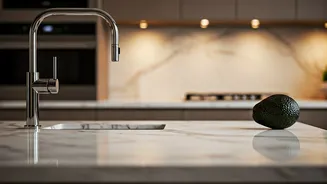
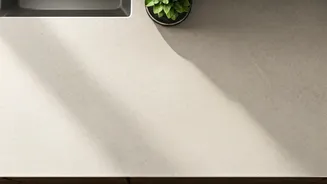
coat offers. This technique involves applying a thin, hand-finished layer of a specialized cement-based material directly over your existing surface. It's a brilliant way to update laminate, tile, or even worn stone countertops, transforming them to resemble the popular aesthetic of poured concrete. Beyond just aesthetics, this carefully applied layer can also rectify minor surface imperfections, creating a uniform and smooth finish. As interior designer Evelina Juzėnaitė explains, this method is excellent for concealing small defects, uneven textures, previous repairs, or unsightly paint jobs, ensuring the final result is consistently clean and polished. It's a practical solution for achieving a contemporary look and feel while improving the surface's evenness, all without the disruption and expense of installing entirely new countertops. It provides a revitalized appearance and a smoother touch, breathing new life into a frequently used kitchen area.
DIY Skim Coat Process
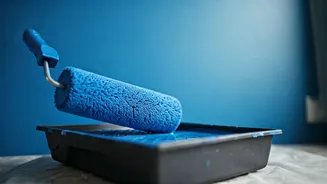
Embarking on a DIY skim coat project for your kitchen countertops requires careful preparation to ensure a flawless outcome. According to designer Juzėnaitė, the initial and most crucial step is thorough planning. Begin by meticulously cleaning the existing surface, followed by a light sanding and priming to guarantee optimal adhesion for the new layer. If your countertops have any noticeable damage, such as chips or deeper fissures, these must be addressed and repaired before proceeding with the skim coat application. The skim coat itself is then applied in multiple thin layers using a trowel. Patience is key, as you build up the coating gradually. Between each layer, sanding is essential to refine the texture and achieve your desired smoothness. Once the final layer has been applied and allowed to cure completely, sealing the surface is the final protective step. This seal guards against common kitchen hazards like stains and moisture, ensuring the longevity and beauty of your newly finished countertops. Following these steps diligently will lead to a professional-looking, durable finish.
When Countertops Need It
Wondering if your kitchen countertops are prime candidates for a skim coat transformation? The answer is often yes, particularly if their current appearance feels outdated or if they exhibit minor signs of wear. Juzėnaitė suggests that a skim coat is an excellent choice when your existing countertop surface lacks smoothness or has developed small aesthetic flaws. Think subtle chips, light scratches, scuffs, or other minor imperfections that you can actually feel when running your hand over the surface. This technique is perfect for giving aged countertops a much-needed refresh, tidying them up and providing a contemporary facelift. It effectively revitalizes surfaces that are no longer visually appealing due to age or minor damage. Essentially, if your countertops are structurally sound but visually tired and possess only superficial blemishes, a skim coat is a fantastic way to restore their elegance and desirability, making them a focal point rather than an eyesore in your kitchen space.
When to Avoid Skim Coating
While skim coating is a wonderful solution for cosmetic upgrades and minor repairs, it's important to recognize its limitations. Juzėnaitė advises steering clear of this method if your countertops suffer from significant structural issues. For instance, large, prominent cracks that compromise the countertop's integrity or underlying water damage are beyond the scope of what a skim coat can effectively fix. These substantial problems will likely show through the applied layer, negating the intended aesthetic improvement and potentially masking a more serious underlying issue. If your countertops are exhibiting signs of swelling or substantial damage, attempting a skim coat is not advisable. In such severe cases, a full countertop replacement is often the most practical and effective long-term solution. Furthermore, if your countertops are already in excellent condition—sturdy, smooth, free from dents or scuffs, and requiring no minor repairs—then a skim coat is unnecessary and won't offer any significant benefit.