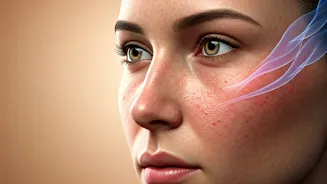







Skin's Hormonal Symphony
Our skin's appearance is intricately linked to the delicate balance of hormones within our bodies. When these hormonal levels become disturbed, they can
manifest as a range of visible changes, from persistent acne breakouts and unwelcome dark patches to alterations in skin texture and even shifts in facial structure over time. While lifestyle factors like insufficient sleep or dietary choices are often blamed, the underlying hormonal fluctuations are frequently the primary drivers. Hormones regulate numerous bodily processes, including oil production and melanin synthesis. Elevated androgen levels, for instance, can amplify oil gland activity, leading to clogged pores and acne formation, particularly during life stages like puberty or pregnancy. Similarly, estrogen level shifts can influence melanin production, resulting in pigmentation issues like melasma, characterized by discolored patches. These hormonal shifts are not merely superficial; they can also impact fluid retention, leading to facial puffiness, and affect collagen and fat distribution, subtly altering facial contours and contributing to premature aging.
Acne's Hormonal Roots
The notorious hormonal acne, a common concern for many, is primarily driven by androgens, a group of hormones that play a significant role in its development. Dr. Mahesh D M explains that these androgens actively boost the sebaceous glands' activity in our skin. When the levels of androgens rise, our skin begins to produce an excess of oil, also known as sebum. This overproduction can easily lead to pores becoming clogged, creating the perfect environment for pimples, blackheads, and inflamed blemishes to surface. This is why acne often flares up during pivotal hormonal periods such as puberty, menstrual cycles, pregnancy, and in conditions like Polycystic Ovary Syndrome (PCOS). Effectively managing hormonal acne involves a consistent and gentle skincare regimen, ensuring the skin remains clean without the use of heavy or occlusive products. In some instances, professional medical intervention might be necessary, including topical treatments, oral medications, or specialized hormone-balancing therapies aimed at controlling sebum production and reducing breakouts.
Pigmentation and Dark Patches
The appearance of pigmentation and dark patches on the skin, particularly the face, can often be traced back to fluctuations in estrogen levels. Dr. Ruby Sachdev highlights that estrogen has a direct influence on the production of melanin, the natural pigment responsible for our skin's color. When hormone levels experience significant shifts – a common occurrence during pregnancy, when using hormonal contraceptives, or as a natural part of menopause – the skin might be prompted to produce an increased amount of melanin. This excess melanin can then accumulate in certain areas, leading to the formation of dark patches, a condition commonly referred to as melasma. Melasma typically presents as butterfly-shaped markings on the face, though uneven skin discoloration, known as hyperpigmentation, can also result from hormonal shifts. While these changes can be concerning, they are manageable through diligent sun protection, including regular sunscreen application and minimizing direct sun exposure, alongside a gentle, consistent skincare routine.
Unwanted Facial Hair
The presence of unwanted facial hair in women is frequently an indicator of elevated androgen levels. These hormones possess the ability to stimulate hair follicles, encouraging the growth of thicker or darker hair in areas such as the chin, upper lip, and along the jawline. Addressing this concern usually involves tackling the underlying hormonal imbalance as the primary step. Alongside hormonal management, several cosmetic and medical options are available to help control and reduce this unwanted hair growth over time. These include popular methods like laser hair removal, which targets hair follicles with light energy, traditional waxing, and the use of prescribed creams that are designed to slow down the rate of facial hair growth, offering a more long-term solution.
Cortisol's Facial Impact
Elevated levels of cortisol, our body's primary stress hormone, can also leave their mark on our facial appearance, often manifesting as puffiness or swelling. Dr. Sachdev points out that when cortisol levels remain persistently high over extended periods, it can lead to increased fluid retention within the body and alter fat distribution patterns. This combination can result in the face appearing noticeably swollen or puffy, a characteristic often described as a 'moon face.' Fortunately, managing stress effectively is key to regulating cortisol levels. Incorporating stress-reducing techniques, ensuring adequate and restful sleep, adopting a balanced diet that is mindful of salt intake, and maintaining proper hydration can all contribute to bringing cortisol levels back into a healthier range. Furthermore, hormonal disturbances can impact metabolism and fluid balance, leading to sudden weight changes and a fuller facial appearance as the body may store more fat or retain excess fluid.