



The Shift Away
The landscape of personal care products has undergone a significant transformation, with consumers increasingly bypassing familiar, brightly packaged mass-produced
soaps and body washes. Instead, there's a noticeable shift towards smaller, artisanal creations. Shoppers are gravitating towards items like small-batch soaps wrapped in simple paper, bath bombs formulated with ingredients that are easy to recognize, and an overall demand for body care products that champion transparency alongside effective cleansing. Data from Google Trends illustrates this burgeoning interest, showing a substantial increase in searches for natural and handmade soaps, particularly surging in early 2026. This trend isn't merely a superficial aesthetic choice or a fleeting fad; it's a direct reflection of heightened consumer awareness regarding the composition of conventional products and their multifaceted impact on both individual well-being and ecological health. As more people scrutinize ingredient lists, a clear preference is emerging for formulations that are gentle, natural, and produced with mindful practices.
Why Go Natural?
A quick survey of any mainstream drugstore reveals an abundance of bottles showcasing vibrant colors and making bold claims about skin softness and freshness. However, a closer inspection of the ingredient panels often tells a different story, revealing a complex array of synthetic fragrances, aggressive sulfates, and chemical compounds that are difficult for the average person to decipher, let alone understand their purpose. Consumers are now engaging with product labels with an unprecedented level of scrutiny, posing critical questions about the effects of ingredients like parabens, the necessity of artificial colorants in soap, and the potential for undisclosed 'fragrance' components to trigger skin sensitivities or irritations. Mass-produced soaps frequently incorporate potent detergents designed for deep cleaning but often inadvertently strip the skin of its essential natural oils, leading to dryness, discomfort, and visible irritation. Furthermore, the synthetic fragrances commonly used can be a source of allergic reactions for many individuals, while the preservatives necessary for extended shelf life may come at the expense of skin health over time. The issue extends to packaging as well, with the ubiquitous plastic pump bottles and squeeze tubes contributing significantly to landfill waste with every use.
Handcrafted Benefits Unveiled
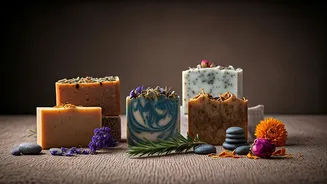
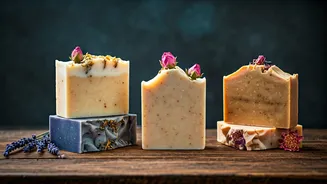
Handcrafted soap presents a fundamentally different philosophy in personal care. Makers of small-batch soaps typically prioritize the use of natural oils, plant-derived components, and pure essential oils for their aromatic qualities. A significant appeal lies in their commitment to reduced waste, often opting for paper wrapping or entirely package-free options, which dramatically curtails the accumulation of plastic waste. Moreover, the ingredients used in these artisanal products are frequently sourced through ethical channels, actively supporting sustainable agricultural methods rather than industrial farming practices. The advantage of handcrafted soap lies in the maker's complete control over every element within the formulation. This ensures that harsh chemicals are unnecessary for expediting production, and synthetic preservatives that prolong shelf life are omitted. The result is a soap that is inherently fresh, remarkably gentle on the skin, and created with a distinct sense of purpose and care. This level of transparency is highly valued by today's conscious consumers who seek assurance that their personal care products will not only benefit their skin but also contribute positively to the environment, a dual promise that handcrafted soaps consistently fulfill.
Choosing Your Soap
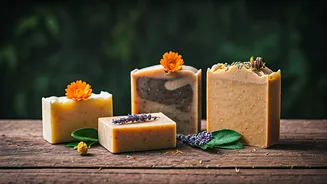
Transitioning from commercial soap to a handcrafted alternative is a straightforward process, yet understanding what to look for can significantly enhance your experience and ensure you select a high-quality product suited to your skin's needs. Begin by carefully examining the ingredient list. Prioritize soaps that feature natural oils such as olive, coconut, shea butter, or jojoba oil, as these are integral for providing moisture and nourishment without stripping the skin's natural protective barrier. For fragrance, look for essential oils like lavender for its calming properties, peppermint for an invigorating sensation, or citrus for a bright aroma, as these offer a natural scent profile without the potential for irritation associated with synthetic perfumes. Olive oil, in particular, is lauded for its gentleness; it is abundant in antioxidants and vitamins that greatly benefit the skin, making it a staple ingredient for many artisanal makers. Such oils create a rich, creamy lather that effectively cleanses without leaving the skin feeling tight or uncomfortably dry. Avoid products containing sulfates, often identified as sodium lauryl sulfate (SLS), synthetic fragrances simply listed as 'fragrance' or 'parfum,' and artificial colorants. These additives primarily serve aesthetic or preservation purposes and offer no genuine benefit to the skin, potentially causing harm.
Matching to Skin
Selecting a handcrafted soap that aligns with your specific skin type can markedly improve its effectiveness and your overall satisfaction. For individuals with dry skin, soaps enriched with ingredients like olive oil, avocado oil, or shea butter are highly recommended, as they impart essential moisture and nourishment, helping to maintain the skin's suppleness. Those with oily or acne-prone skin often find benefit in soaps formulated with tea tree oil or activated charcoal. These ingredients possess properties that can help regulate oil production and purify pores without causing excessive dryness, which can sometimes exacerbate oiliness. Sensitive skin necessitates the gentlest formulations available. Opting for unscented or lightly scented soaps with a minimal list of ingredients is generally the safest approach. As a helpful guide, consider how your skin feels immediately after washing. If it feels tight, red, or itchy, it's a strong indication that the soap you're using is too harsh for your skin. A quality handcrafted soap should leave your skin feeling clean, refreshed, and comfortable, not depleted of its natural moisture. Additionally, it's beneficial to consider the ethical and environmental practices of the soap maker. Inquire about their sourcing of ingredients and their commitment to sustainable packaging. Many small-batch soap artisans place a high value on environmental stewardship, offering consumers a way to make purchases that truly reflect their personal values.