




Shepu: A Nutritional Powerhouse
The ongoing battle with hair loss often leads us to expensive products that promise miraculous results, yet the true solution might be found in everyday
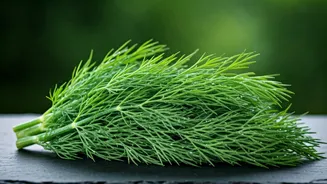
culinary herbs. Shepu, more commonly recognized as dill leaves or 'suva,' is emerging as a significant wellness trend, championed by nutritionists as a potent, often overlooked indigenous superfood. Its effectiveness stems from a holistic approach, addressing the internal factors that contribute to hair thinning and breakage, rather than merely a superficial fix. This ancient herb is packed with vital micronutrients, including a rich supply of iron, magnesium, zinc, and calcium, complemented by essential vitamins A and C. The synergistic action of iron and vitamin C is particularly beneficial for scalp health, as they work to enhance oxygen circulation to the hair follicles, thereby fortifying them from the base. This improved follicular strength directly combats dullness and reduces the likelihood of hair snapping, promoting overall resilience and vitality. Furthermore, Shepu plays a crucial role in managing stress and improving sleep patterns, two significant culprits behind sudden hair fall. In traditional Ayurvedic practices, dill leaves are revered for their calming properties, which help in reducing elevated cortisol levels. By soothing the nervous system and promoting better sleep quality, Shepu allows the body to dedicate resources to essential repair processes, including hair regeneration. The herb's benefits also extend to digestive health, a cornerstone of overall well-being and nutrient absorption. Shepu is known for its anti-flatulent properties, aiding in the smooth functioning of the digestive tract. A healthy gut ensures that the body can efficiently absorb the hair-nourishing nutrients from all the foods consumed, maximizing their positive impact on hair health.
The Shepu Paratha Advantage
Incorporating Shepu into your diet is straightforward, with the Shepu Paratha standing out as a highly effective method to harness its hair-enhancing properties. This traditional Indian flatbread involves finely chopping fresh dill leaves and kneading them directly into the dough, which can be made from various flours like wheat, pearl millet (bajra), or rice. However, the true efficacy of this preparation lies not just in its consumption but in its strategic pairing with complementary foods. To fully unlock the nutritional potential of Shepu paratha, it is recommended to serve it alongside a dollop of fresh curd or yogurt and a small portion of amla pickle. The curd provides a significant dose of Vitamin B12, a nutrient vital for hair growth and follicle health. Concurrently, the amla pickle offers an abundant source of Vitamin C. This specific combination is crucial because Vitamin C significantly boosts the body's ability to absorb iron and other minerals present in the dill leaves. This enhanced absorption ensures that the essential nutrients are effectively utilized by the body to strengthen hair follicles and promote healthier, more robust hair growth. This culinary approach transforms a simple meal into a targeted hair-care intervention, leveraging the synergistic effects of traditional ingredients.
Beyond Parathas: Versatile Uses
For those who may not be inclined towards parathas, Shepu offers remarkable culinary versatility, allowing for its integration into a variety of dishes. A handful of freshly chopped dill leaves can instantly enhance the flavor and nutritional profile of a simple bowl of yellow lentil soup (dal), adding a refreshing aromatic note. Similarly, the leaves can be mixed into the batter for 'thepla,' a type of spiced flatbread, creating a nutrient-dense option for breakfast. A comforting and classic Indian preparation, Aloo Shepu (potato and dill sabzi), also provides a delicious way to consume this herb. When fresh dill leaves are not readily available, dried dill seeds, known as 'shatapushpa,' offer a practical alternative. Brewing a teaspoon of these seeds in hot water yields a soothing herbal tea that serves as a natural digestive detoxifier. This tea not only aids in cleansing the digestive system but also contributes to hormonal balance, indirectly supporting the maintenance of vibrant hair health. The accessibility of both fresh leaves and dried seeds ensures that the benefits of Shepu can be enjoyed year-round, adapting to seasonal availability and individual preferences.
Scalp Massage with Dill
While the internal consumption of Shepu is considered the primary method for promoting hair health, certain Ayurvedic practices also leverage the topical application of dill seed essential oil for scalp massages. This approach is rooted in the antioxidant properties of dill, which can contribute to a healthier scalp environment. However, it is crucial to approach the use of essential oils with caution and adhere to safety guidelines. Direct application of undiluted essential oil onto the scalp is strongly discouraged due to the potential for irritation. Instead, the recommended practice involves diluting a few drops of dill seed essential oil with a suitable carrier oil, such as coconut or almond oil. This diluted mixture can then be gently massaged into the hair roots. Such massages can help to nourish the scalp and potentially stimulate the follicles. This method, when used correctly and in moderation, complements the dietary benefits of Shepu, offering a dual approach to hair care. It underscores the importance of revisiting and utilizing the wisdom of indigenous superfoods and traditional remedies in our modern wellness routines, suggesting that sometimes, the most effective solutions are closer than we think, perhaps waiting in the local market rather than an expensive supplement aisle.