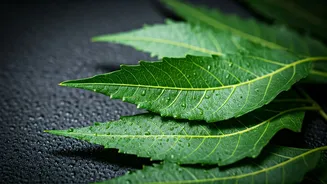

Neem: An Ayurvedic Remedy
Neem, also known as Azadirachta indica, has a rich history as a medicinal herb, deeply rooted in the Ayurvedic tradition. Its significance goes beyond
mere folklore; scientific research supports its therapeutic benefits. Neem's leaves, bark, and seeds are all utilized in various preparations, showcasing its versatility. In Ayurveda, Neem is revered for its ability to balance the three doshas—Vata, Pitta, and Kapha—which influence bodily functions and overall well-being. This herb is particularly valued for its Pitta-pacifying properties, making it excellent for skin conditions often associated with excess heat or inflammation. Its bitter taste is a key indicator of its cleansing and detoxifying capabilities, playing a crucial role in eliminating impurities that contribute to skin problems like acne.
Neem's Acne-Fighting Mechanisms
The effectiveness of Neem against acne stems from its diverse therapeutic properties. Firstly, Neem possesses potent antibacterial characteristics, which actively combat the bacteria often responsible for causing acne, like *Cutibacterium acnes* (formerly *Propionibacterium acnes*). Furthermore, Neem is an anti-inflammatory agent, which helps to reduce redness, swelling, and irritation associated with acne lesions. Its antioxidant properties assist in neutralizing free radicals, which can accelerate skin damage. Neem also plays a role in regulating sebum production, the oily substance that can clog pores and lead to breakouts. By controlling sebum levels, Neem reduces the likelihood of new acne lesions forming. The herb's astringent qualities help to tighten pores, giving the skin a smoother appearance and further reducing the chances of acne.
Forms of Neem Application
Neem can be used in several ways to combat acne, making it a versatile addition to any skincare regimen. The simplest method involves using Neem leaves directly. These leaves can be crushed into a paste and applied to affected areas, working as a spot treatment for pimples. Neem oil, extracted from the seeds, is another powerful option. Diluted with a carrier oil like coconut or jojoba, Neem oil can be applied topically to reduce inflammation and fight acne-causing bacteria. Neem-infused face washes and soaps are readily available, providing a convenient way to integrate Neem into your daily routine. These cleansers help to remove impurities, control oil production, and calm irritated skin. Finally, Neem powder, available at many health stores, can be mixed with water or other ingredients to create a mask for deep cleansing and detoxification. Each method presents a slightly different approach, allowing for customization depending on skin type and needs.
Neem and Holistic Skincare
While Neem is excellent for treating acne, its benefits extend far beyond addressing blemishes. Neem promotes overall skin health by offering a range of benefits. Its antioxidant properties help to shield the skin from environmental stressors, such as pollution and UV radiation. Neem also helps soothe skin conditions like eczema and psoriasis, reducing itchiness and inflammation. Regular use can lead to improved skin texture and tone. Additionally, Neem contributes to a more balanced and healthy skin microbiome, reducing the overgrowth of harmful bacteria. To optimize results, Neem can be paired with other natural ingredients. Combining Neem with aloe vera can enhance its soothing and hydrating effects, while mixing it with turmeric can boost its anti-inflammatory and antiseptic actions. A holistic approach incorporating Neem, a balanced diet, regular exercise, and stress management, leads to clear and healthy skin.