


Vitamin A: Scalp's Natural Moisturizer
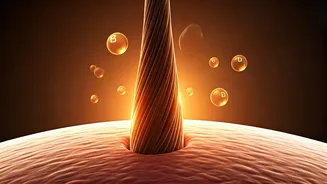
Vitamin A plays a fundamental role in cell development, a process vital for hair cell regeneration. It significantly contributes to the scalp's natural
oil production, creating sebum that moisturizes hair, thereby mitigating dryness and breakage. Beyond this, vitamin A is instrumental in fostering cellular growth and the development of hair follicles, actively preventing hair loss. To harness its benefits, incorporate foods rich in vitamin A such as carrots, pumpkin, kale, and spinach into your diet, being mindful of moderation to avoid adverse effects.
Vitamin B: The Strength Enhancer
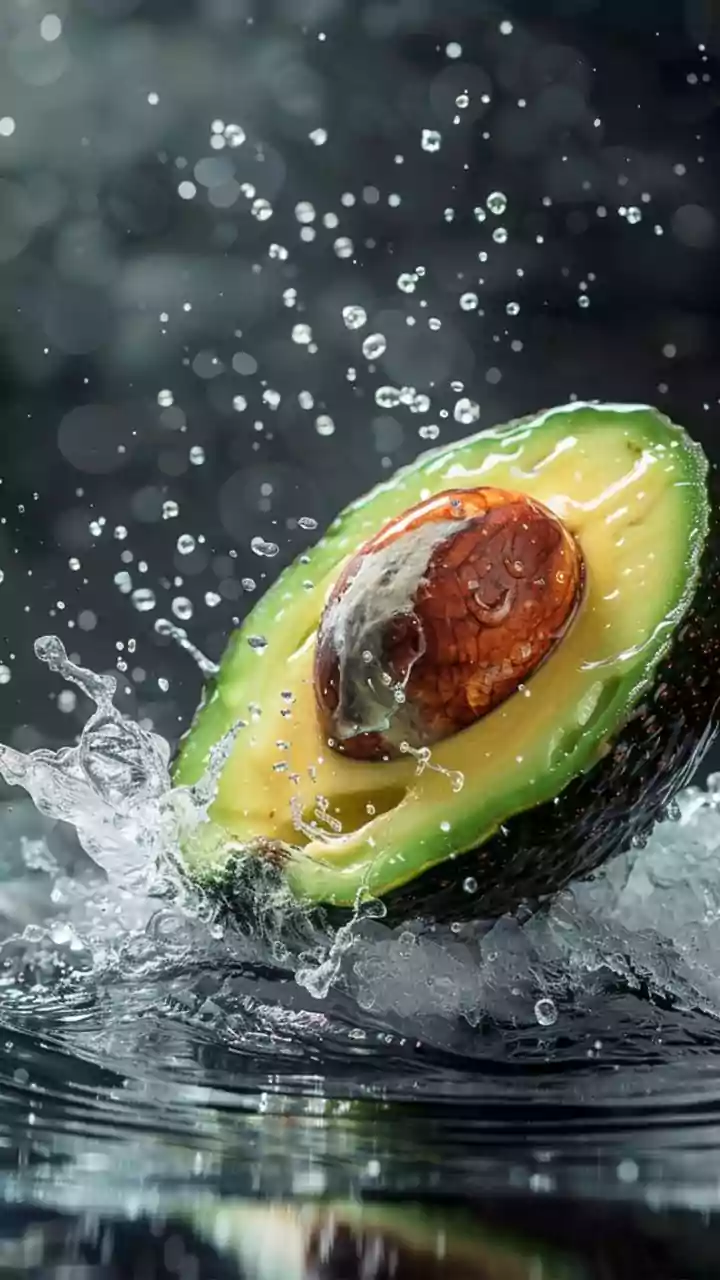
The Vitamin B complex is a powerhouse for hair health, primarily by facilitating nutrient and oxygen transport to cells. Biotin, a prominent member of this group, is renowned for bolstering hair structure. It actively supports keratin production, a key protein for hair, which consequently enhances hair strength and reduces shedding. Furthermore, Vitamin B3, or niacin, is crucial for improving scalp circulation, while B5, known as pantothenic acid, aids in maintaining healthy hair follicle function. Enrich your diet with sources like eggs, nuts, seeds, bananas, and avocados to ensure adequate intake.
Vitamin C: Antioxidant Protector
Often associated with skin health, Vitamin C is equally vital for your hair. It acts as a potent antioxidant, forming a protective shield around hair follicles, guarding them against damage from free radicals. These unstable molecules can weaken hair and accelerate premature aging of the strands. Vitamin C combats this oxidative stress and is essential for synthesizing collagen, a protein that provides the foundational structure for hair strength. Make sure to include citrus fruits, strawberries, kiwi, bell peppers, and broccoli in your meals to benefit from its protective qualities.
Vitamin D: Combating Thinning
Insufficient levels of Vitamin D are frequently associated with increased hair thinning and shedding. This nutrient is fundamental for maintaining the health of hair follicles and regulating the hair growth cycle. By addressing deficiencies, Vitamin D can help reduce hair thinning. While sunlight exposure is a natural source, you can also obtain it from fortified plant milks, fatty fish like sardines and salmon, or through supplements if recommended by a healthcare professional.
Vitamin E: Circulation Booster
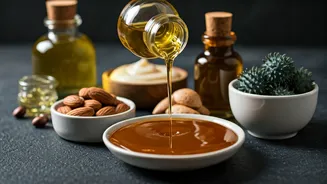
Vitamin E functions as another crucial antioxidant, fostering a healthy scalp environment and significantly improving blood circulation to the scalp. This enhanced blood flow is critical for optimal follicle function and, consequently, robust hair growth. By promoting better circulation, Vitamin E helps maintain the integrity of hair follicles, encouraging healthy growth patterns and shielding your hair from oxidative damage. Include almonds, sunflower seeds, spinach, avocados, and wheat germ in your diet to benefit from its hair-nourishing properties.