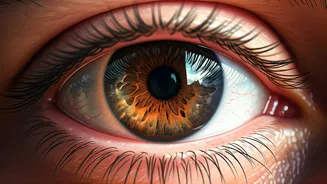









Regular Eye Exams
Scheduling routine eye examinations is paramount for preserving optimal vision. These check-ups, conducted by eye care professionals, go beyond just assessing
your ability to see clearly. They also function as a crucial mechanism for detecting potential eye diseases, often at their initial stages. Early detection is a vital component of successful treatment; many vision-threatening conditions, such as glaucoma or macular degeneration, can be managed more effectively when addressed early. During these examinations, doctors can assess overall eye health, measure visual acuity, and perform other tests to identify any irregularities. The frequency of these examinations can be influenced by your age, any existing medical conditions (like diabetes), or a family history of eye problems. For instance, individuals with diabetes or a family history of eye diseases may require more frequent check-ups than others. Don't wait for vision problems to become apparent; regular eye exams are a proactive measure towards ensuring long-term eye health.
Protect From Sun
Shielding your eyes from the sun's harmful ultraviolet (UV) rays is essential for protecting your vision. UV exposure can significantly increase the risk of developing cataracts and macular degeneration, two of the leading causes of vision impairment as people get older. Sunglasses are a primary defense in this regard; when selecting sunglasses, make certain they provide 100% UV protection, blocking both UVA and UVB rays. The color or darkness of the lenses is less important than their UV protection rating. Wearing a wide-brimmed hat can further amplify protection by blocking sunlight from directly reaching your eyes. When outdoors, especially during peak sunlight hours (typically between 10 AM and 4 PM), sunglasses and hats should always be worn. Remember, overcast days do not eliminate the need for protection; UV rays can still penetrate through clouds. Consistent and conscientious sun protection is a simple yet crucial habit for preserving long-term eye health.
Proper Lighting Habits
Adequate lighting in your home and work environments is another critical component of eye care. Insufficient lighting can strain your eyes, causing them to work harder to focus, leading to eye fatigue and potential headaches. Conversely, overly bright or glaring lights can also be detrimental, causing discomfort and potentially damaging your vision over time. For reading and other close-up tasks, position your light source properly to minimize glare. A desk lamp with adjustable settings can be useful. Ambient lighting should also be considered; try to balance the light in the room to avoid harsh shadows and eye strain. When working on a computer or using digital devices, ensure the screen brightness matches the surrounding light levels. Regular eye strain breaks when working with digital screens are also important. Adjusting your lighting conditions is a simple yet effective habit for reducing eye strain and supporting long-term eye health.
Screen Time Management
In today's digital age, managing screen time is more vital than ever for eye health. Prolonged exposure to digital screens—computers, smartphones, and tablets—can lead to digital eye strain, also known as computer vision syndrome. Symptoms include dry eyes, blurred vision, headaches, and neck and shoulder pain. The 20-20-20 rule is a useful guide: every 20 minutes, look at something 20 feet away for at least 20 seconds. This simple practice helps to relax the eye muscles and reduce strain. Adjusting the screen settings, like brightness and contrast, can also help. Position your screen at an appropriate distance—typically an arm's length away—and slightly below eye level. Additionally, take regular breaks from screen time, such as during your lunch hour or on the weekends, to give your eyes a chance to rest and recover. Limiting screen time, along with following the 20-20-20 rule, is a crucial part of preserving your vision in a world of digital devices.
Healthy Diet & Hydration
What you consume has a profound impact on your vision. A diet rich in nutrients essential for eye health is crucial for overall eye health. Include foods high in antioxidants, such as lutein and zeaxanthin (found in green leafy vegetables like spinach and kale), and omega-3 fatty acids (found in fish like salmon). These nutrients help protect your eyes from age-related damage. Proper hydration is also important. Dehydration can lead to dry eyes, causing discomfort and potentially affecting vision. Drink plenty of water throughout the day to keep your eyes adequately lubricated. Limiting processed foods, which often lack the essential nutrients, and increasing your intake of fruits, vegetables, and lean proteins, can significantly benefit eye health. Maintaining a balanced diet and staying hydrated are essential habits that support overall health, including the health of your eyes.
Regular Breaks & Blinking
Making time for regular breaks and remembering to blink frequently can greatly alleviate eye strain and preserve eye health. When focusing on a task, such as reading or working on a computer, we tend to blink less frequently, which causes the eyes to dry out. Consciously reminding yourself to blink helps to keep the eyes lubricated and prevents dryness, redness, and discomfort. Take frequent breaks from close-up tasks; short breaks can make a big difference. Get up, stretch, and look away from your work to give your eye muscles a rest. If you're working on a computer, the 20-20-20 rule comes into play: every 20 minutes, look at something 20 feet away for 20 seconds. This practice helps to reduce eye strain and fatigue. Implementing these simple yet effective techniques during the day can significantly contribute to preserving clear vision.