





Geological Masterpiece Revealed
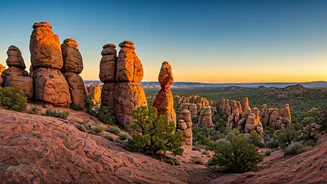
Prepare to be awestruck by Chiricahua National Monument, a place often described as a 'wonderland of rocks.' Millions of years ago, a colossal volcanic
eruption sculpted this landscape, leaving behind a breathtaking array of geological formations. Towering spires, delicately balanced rocks resembling everyday objects, and intricate hoodoos create an otherworldly and mystical environment. These natural sculptures, remnants of ancient ash flows and subsequent erosion, invite visitors to marvel at the sheer power and artistry of nature. The monument's unique setting within one of Arizona's 'sky islands' further enhances its allure, supporting cooler, forested ecosystems that stand in stark contrast to the surrounding desert, fostering a rich biodiversity that adds to the enchanting atmosphere.
Biodiversity and Wildlife Encounters
Chiricahua National Monument is a sanctuary of diverse life, thriving within its elevated 'sky island' environment. The lower elevations are adorned with mesquite and acacia trees, providing a habitat for various creatures. As you ascend, the landscape transforms into a haven for Douglas firs and ponderosa pines, creating a cooler, more temperate climate. Keep a vigilant eye out for the park's fascinating wildlife; road signs often caution drivers to watch for coatimundi, charismatic relatives of the raccoon, with their distinctive long snouts. Other potential sightings include elusive bobcats, resilient javelinas, and a spectacular array of approximately 200 bird species that grace the skies and forests. The region is even a rare habitat for majestic jaguars and ocelots, underscoring the ecological significance of this protected area.
Echoes of Human History
Beyond its natural splendor, Chiricahua National Monument holds profound layers of human history. Evidence suggests the Nde, or Apache people, were the first inhabitants of this rugged terrain. Centuries later, these very mountains became the stage for the intense Apache Wars, a prolonged struggle where legendary Nde leaders like Cochise and Geronimo fiercely resisted forced relocation for a quarter of a century. Following this period of conflict, the land welcomed Swedish immigrant settlers, including the Erickson family, who established a homestead. Today, visitors can connect with this living history by exploring the monument's 17 miles of trails and experiencing the dramatic, otherworldly landscapes that have witnessed so much of human perseverance and adaptation.
Exploring the Monument Trails
Chiricahua National Monument beckons adventurers with a network of trails catering to all levels of hikers. Begin your exploration at the historic Faraway Ranch, the former homestead of the Erickson family, where a short walk offers insights into pioneer life in this isolated wilderness. Next, visit the Faraway Ranch Visitor Center to consult with park rangers and obtain essential trail maps before venturing further. For a scenic journey, the Bonita Canyon Trailhead leads to Massai Point, a stunning overlook offering expansive desert vistas. A gentle half-mile loop from here provides easy access to these panoramic views. For those seeking a bit more challenge, the Echo Canyon Loop, a 3.4-mile circuit, reveals captivating grottoes sculpted by water and time. More seasoned hikers will find their reward on the 7.3-mile Heart of Rocks Loop, which showcases iconic formations like Big Balanced Rock, Thor's Hammer, and the Kissing Rocks, offering a full-day adventure through the park's most spectacular formations.
Stargazing and Nearby Delights
When the sun sets, Chiricahua National Monument transforms into an astronomer's dream. As an International Dark Sky Park, it offers unparalleled opportunities for stargazing, with the surrounding Cochise County boasting some of the clearest night skies in the Southwest. For an immersive experience, consider an overnight stay at a nearby secluded lodging, or embrace a more rustic adventure with camping within the monument. If you opt for a shorter daytime visit, your afternoon can be delightfully spent exploring the charming nearby town of Willcox and southeastern Arizona's renowned wine country. Discover local tasting rooms and wineries, sample estate wines and craft beers, and enjoy farm-to-table dining. Willcox itself offers a glimpse into cowboy history at the Rex Allen Museum, browsing antique shops, or catching a film at a historic cinema, ensuring a rich and varied experience beyond the monument's geological wonders.
Planning Your Visit
Chiricahua National Monument is an ideal destination throughout the year, though spring (March-May) and fall (September-November) offer particularly pleasant conditions. During these shoulder seasons, daytime temperatures are mild, making the trails inviting, and crowds are notably thinner, allowing for a more tranquil experience. Spring also brings a splash of color with wildflowers blooming across the desert landscape. While winter can bring occasional snow and ice to the trails, it's an excellent period for bird watching, with opportunities to witness the sandhill crane migration nearby. Summer temperatures, thanks to the monument's higher elevation, remain moderate compared to the hotter desert cities. The July-September monsoon season, while bringing dramatic skies and thunderstorms, also contributes to the region's unique atmosphere. Be sure to check the park's seasonal shuttle schedule, which typically operates on weekends from January to April, offering a convenient way for hikers to explore from higher elevations downwards.