



Understanding Weed Failures
It's frustrating when your efforts to eliminate lawn weeds seem futile. Several factors can contribute to weed control products not delivering the expected
results. One common reason is applying the herbicide at an inappropriate time; for instance, during extreme heat or drought, weeds develop a protective waxy layer, making them less receptive to chemical treatments. This physiological response hinders the herbicide's absorption, rendering it ineffective. Furthermore, consistently using the same type of weed killer can inadvertently lead to the development of herbicide-resistant weed populations. Over time, weeds evolve, and their offspring become immune to the active ingredients you've been relying on, creating a cycle of frustration. Just as with fertilizing, applying more product isn't a universal solution. Understanding the specific weed types and their life cycles is paramount, as different weeds require targeted treatments. A dense, healthy lawn is your best defense, naturally suppressing weed growth. If your lawn is already sparse or struggling, focusing on improving its overall health through proper mowing, watering, and potentially overseeding is a more effective strategy than solely relying on chemical interventions.
Timing and Application Tactics
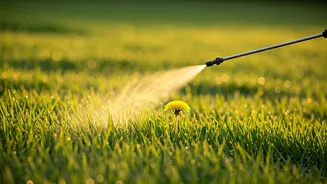
Achieving optimal weed control hinges on precise timing and application methods. For preventative measures, pre-emergent herbicides are your ally. These are best applied in late winter or early spring, when soil temperatures consistently reach above 55°F, the critical threshold for many weed seeds to germinate. For these products to work effectively, they need activation, which typically requires moisture. Therefore, applying them just before a significant rainfall or watering the lawn for about half an inch afterward is crucial. When dealing with existing weeds, post-emergent herbicides are necessary. The ideal conditions for application are when temperatures are between 60 and 85°F, with minimal wind to prevent drift and no rain forecast for at least 24 hours. The goal should be to treat weeds before they have a chance to produce seeds, thereby preventing future infestations. Carefully measuring your lawn's square footage and adhering strictly to the product label's recommended application rates per 1,000 square feet is vital for both efficacy and safety.
When Control Stops Working
When weeds persist despite your application of herbicides, it's time to re-evaluate your approach. If pre-emergent treatments are failing, it's likely due to an incorrect application window – either too early or too late in the season. Environmental stress on your lawn, such as prolonged periods of high temperatures or drought, can also render herbicides ineffective. During such conditions, weeds develop a thicker cuticle that resists chemical absorption. In these instances, patience is key; wait for cooler, more favorable weather before reapplication. If your lawn becomes severely overrun, repeated applications of the same weed killer might not be the solution. Consider overseeding, ideally in late summer or early fall, a period with less competitive weed growth, to help establish a denser grass cover. Moreover, weed resistance to specific herbicides is a growing concern in many regions. For example, certain weeds might no longer respond to common chemicals like 2,4-D. To mitigate the development of resistance, it's essential to rotate herbicide products with different active ingredients or utilize formulations that contain a combination of effective agents, ensuring a more robust and sustainable weed management strategy.
Lawn Health and Weed Ecology
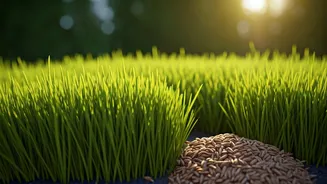
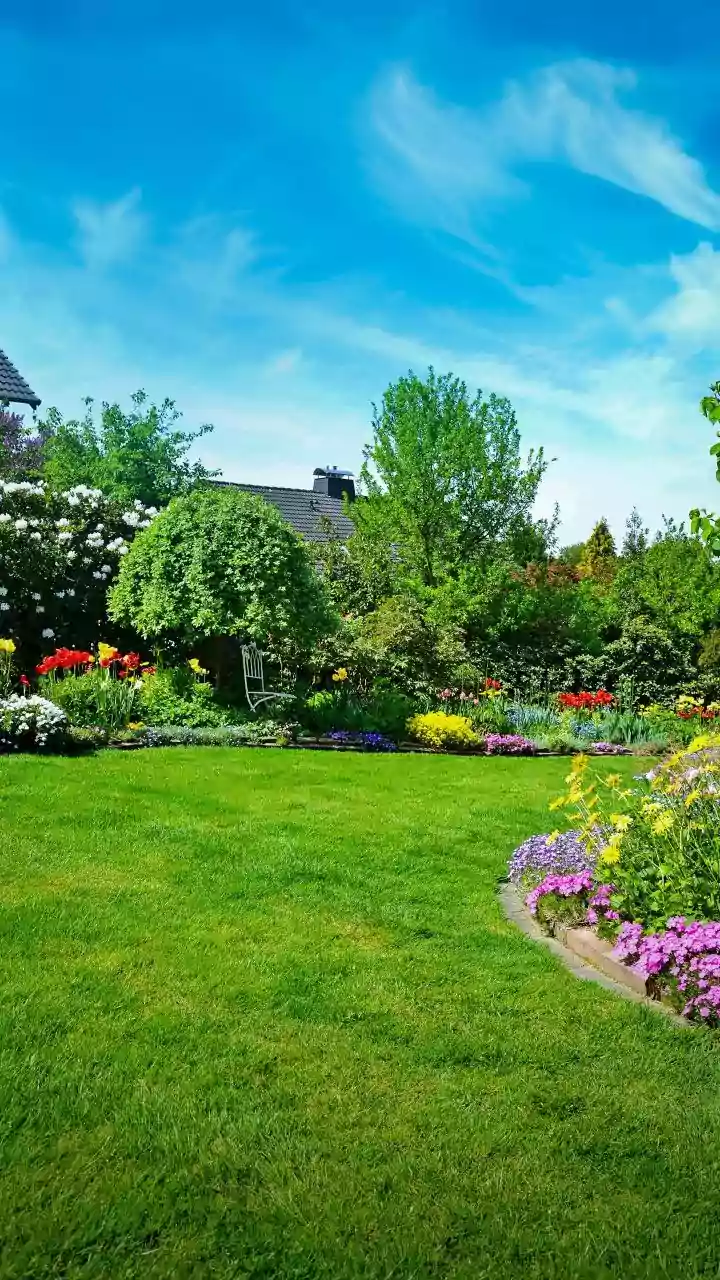
The battle against lawn weeds is intrinsically linked to the overall health and density of your grass. A robust, climate-appropriate turf creates a competitive environment that naturally hinders weed establishment. Conversely, a struggling lawn, weakened by factors like drought, pests, or disease, provides an open invitation for weeds to thrive. Instead of solely focusing on eradicating existing weeds, prioritize cultivating a healthy lawn. In severe cases, completely reseeding your lawn or targeting heavily infested areas can be a more effective long-term strategy. Identifying the specific types of weeds present is also critical, as each species may require a different chemical approach. Remember that complete weed elimination is often unrealistic and can have environmental implications. Allowing certain plants, like clover, to flower can support vital pollinators, contributing to a healthier ecosystem. While selective herbicides target weeds without harming grass, their active ingredients can pose risks to groundwater and aquatic life, underscoring the importance of responsible use and considering more integrated approaches to lawn care.