







Oleander: Elegant Poison
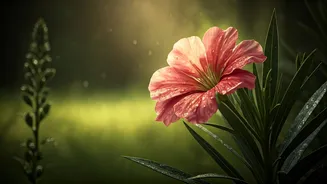
Oleander, a shrub celebrated for its graceful pink, white, and yellow blossoms, frequently graces gardens and roadside landscapes. However, this popular
ornamental plant is entirely toxic, with every part containing potent cardiac glycosides. Ingesting even a small amount can lead to severe vomiting and potentially fatal cardiac distress, making its beauty a deceptive façade.
Foxglove's Heartfelt Danger
Renowned for its majestic stalks adorned with bell-shaped flowers in hues of purple, pink, cream, and white, foxglove possesses an undeniable charm. Despite its visual appeal, the entire plant is poisonous if consumed. Intriguingly, foxglove is the original source of digitalis, a vital heart medication, which highlights how even a seemingly small, unregulated dose from the plant itself can dangerously disrupt heart rhythm.
Deadly Nightshade's Allure
With its somewhat mysterious aesthetic, featuring muted green leaves and alluring, shiny black berries, deadly nightshade draws the eye. This plant is profoundly poisonous, with toxins capable of causing severe neurological harm. The very berries that add to its wild beauty are a primary reason for its history of accidental poisonings, particularly among those drawn to its striking appearance.
Water Hemlock's Lethal Bloom
Water hemlock is a wildflower characterized by its delicate white flower clusters, yet it's infamously recognized as one of North America's most violently toxic plants. Its appearance can be easily mistaken for innocuous species like Queen Anne's lace or various relatives of celery, leading to dangerous confusion. The roots are particularly hazardous, with even minimal consumption capable of proving lethal.
Monkshood's Hidden Toxin
The elegant, deep blue or purple hooded flowers of monkshood, reminiscent of a monastic cowl, present a striking visual. This captivating beauty, however, conceals a potent chemical known as aconitine. Every variety of this plant harbors this powerful poison, making its intricate blossoms a symbol of concealed danger.
Castor-Oil Plant's Seed Threat
The castor-oil plant commands attention with its dramatic foliage and robust seed clusters, making it a standout in any garden setting. The true peril lies within its seeds, which contain ricin, one of the most lethal substances known to humankind. Poisoning typically occurs when these seeds are crushed or chewed, as this action liberates the deadly toxin.
Rosary Pea's Deceptive Seeds
Rosary pea is immediately recognizable for its vibrant, shiny red seeds, each marked with a distinctive black spot, often incorporated into jewelry and decorative items. While visually captivating, the entire plant is toxic, and its seeds contain abrin, an exceptionally poisonous compound. Their appealing nature makes them particularly risky for children and collectors who might be drawn to their aesthetic qualities.