






Steady Resting Heart Rate
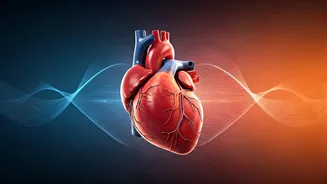
Your heart's quiet work is fundamental to life, and its rhythm provides vital clues about its health. A consistent resting heart rate, typically falling
between 60 to 100 beats per minute for adults, is a powerful indicator of a well-functioning cardiovascular system. Individuals who are highly active might even experience a resting heart rate below this range, which is perfectly normal and often a sign of excellent physical conditioning. This regularity in your heartbeat signifies that blood is circulating efficiently throughout your entire body, nourishing every cell. When your heart beats with a steady, predictable rhythm at rest, it suggests it's not under undue strain and is capably managing its workload.
Optimal Blood Pressure
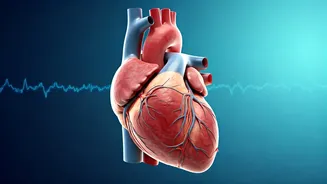
Maintaining healthy blood pressure is akin to ensuring your heart isn't overworking itself. The ideal blood pressure reading for adults is generally around 120/80 mm Hg. This figure indicates that the force with which your blood pushes against your artery walls is within a safe and manageable range. When your blood pressure is consistently within these normal limits, it means your heart is pumping blood effectively without placing excessive stress on your blood vessels. This balance is crucial for preventing long-term damage to your arteries and ensuring that vital organs receive a steady supply of oxygenated blood. It's a direct reflection of your heart's efficiency and the overall health of your circulatory system.
Abundant Energy Reserves
A robust heart is the engine that powers your body's energy supply, ensuring a consistent and efficient delivery of oxygen to all tissues. This efficient oxygenation directly impacts your vitality and stamina. If you find yourself able to engage in daily activities, from simple chores to more strenuous workouts, without succumbing to excessive fatigue, it's a strong testament to your heart's resilience and capacity. This ability to sustain physical effort without feeling prematurely drained suggests that your cardiovascular system is effectively meeting the body's demands, keeping you energized and ready for whatever the day brings. Good energy levels are a clear sign of a heart that's performing its duties admirably.
Rapid Post-Exercise Recovery
The speed at which your heart rate returns to its normal rhythm after physical exertion is a key metric for assessing cardiovascular fitness. A healthy heart is remarkably adept at recovering quickly following periods of increased activity. This means that after you've finished exercising, your heart rate should stabilize and decrease relatively swiftly. If, however, your heart rate remains elevated for an extended period before returning to its resting state, it might be an indication that your heart is struggling to cope with the demand and could warrant further medical evaluation. This recovery time is a direct measure of your heart's efficiency and adaptability.
Absence of Discomfort
A heart functioning well typically operates without signaling distress through physical discomfort. The lack of symptoms such as sharp chest pains, a feeling of tightness or pressure in the chest, or noticeable breathlessness is a profoundly positive indicator. While these symptoms can sometimes point to other health issues, their absence strongly suggests that your heart is not under significant strain or experiencing problems that would cause such sensations. It's always wise to consult a healthcare professional if you do experience any of these symptoms, but their absence provides a reassuring sign of your heart's current healthy state.