








Embrace Simple Choices
The path to better eating begins with making conscious, straightforward choices. Start by identifying the foods you genuinely enjoy and building your meals
around them. Focus on fresh, whole foods that are minimally processed. Consider the impact of food on your body: lean proteins, vibrant fruits, vegetables, and whole grains. Avoid overly complicated recipes initially. Aim for simple cooking methods like steaming, grilling, or baking, which highlight natural flavors and minimize added fats. Gradually incorporate healthier options to transform your meals without overwhelming yourself. For example, swap out one processed snack a day for a piece of fruit or some nuts. By making small, consistent changes, you build positive habits over time. It is important to remember that eating well is a journey, not a destination. Allow yourself to make mistakes and learn from them, focusing on the overall objective of nourishing your body with delicious and wholesome food.
Plan and Prepare
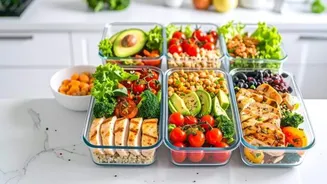
Successful eating habits thrive on planning and preparation. Spend some time each week to plan your meals for the following days. Consider what you are in the mood for, your schedule, and what ingredients you have on hand. Creating a meal plan prevents impulsive choices and helps to reduce food waste. Write down your meals for each day. Then, make a detailed shopping list based on your meal plan. Stick to your list when you visit the grocery store to minimize impulse buys and temptations. Dedicate a couple of hours each week to prepping ingredients. Wash and chop vegetables, cook grains in bulk, or portion out snacks into containers. Having ingredients prepped saves time during the week. Consider batch cooking your favorite recipes on the weekends for convenient access throughout the week. This proactive approach significantly decreases the stress of mealtime and empowers you to make healthy choices effortlessly, even on your busiest days. Preparation is key to developing sustainable, long-term healthy eating habits.
Mindful Eating Practices
Eating well extends beyond just what you eat; it is also about how you eat. Practicing mindful eating encourages a deeper connection with your food and your body's signals. Begin by eliminating distractions during meals. Turn off the television, put away your phone, and focus on the experience of eating. Pay attention to the colors, aromas, textures, and flavors of your food. Chew each bite thoroughly, savoring the taste and noticing the sensations in your mouth. Notice when you start to feel full and stop eating before you feel stuffed. Mindful eating also involves understanding your emotional relationship with food. Identify triggers that lead to overeating or unhealthy choices. Recognizing these patterns empowers you to choose healthier alternatives when those triggers arise. By adopting mindful eating practices, you can improve your relationship with food, enhance your enjoyment of meals, and develop a more balanced approach to eating well.
Healthy Snack Strategies
Snacking is often seen as a problem, but with the right choices, it can support your overall well-being. The key is to choose snacks that are both satisfying and nutritious. Avoid processed snacks high in sugar, salt, and unhealthy fats. Instead, opt for whole foods that provide vitamins, minerals, and fiber, which helps keep you feeling full and satisfied. Some excellent snack options include a handful of nuts and seeds, a piece of fruit with a small portion of plain yogurt, or a veggie stick with hummus. Preparation is key for healthy snacking. Portion out snacks ahead of time to avoid overeating. Keep healthy snacks readily accessible at home, work, and even in your car. When a craving hits, reach for these healthy options rather than less beneficial choices. Being prepared to snack well helps manage hunger between meals and prevent impulsive decisions that could derail your health goals. Consider combining different food groups: protein, carbohydrates, and healthy fats. This promotes stable energy levels and helps you feel more satisfied until your next meal.
Hydration is Essential
Often overlooked, staying well-hydrated is crucial for overall health and well-being. Water plays a vital role in digestion, nutrient absorption, and energy levels. Aim to drink enough water throughout the day. It is often recommended to drink at least eight glasses of water. Carry a reusable water bottle with you and refill it regularly. Set reminders on your phone to drink water if you find it difficult to remember. Besides water, other hydrating options include herbal teas, infused water (with fruit or vegetables), and unsweetened sparkling water. Avoid sugary drinks like soda and sweetened juices, which can contribute to excessive sugar intake. Staying hydrated helps control cravings, boosts metabolism, and supports various bodily functions. If you find plain water boring, experiment with natural flavors like cucumber, lemon, or mint. Pay attention to your body's signals and increase your water intake when you feel thirsty or during physical activity. Make hydration an integral part of your daily routine to enhance your health.