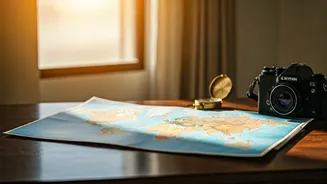

Discovering New Horizons
The allure of travel extends far beyond a simple vacation; it's an opportunity to immerse oneself in different cultures, experience diverse landscapes,
and create memories that last a lifetime. Whether you are driven to explore the bustling streets of a vibrant city or to escape into the tranquility of a remote natural setting, the possibilities are infinite. Travel enables personal growth by pushing you to step outside of your comfort zone, try unfamiliar foods, and meet people from all walks of life. This exposure broadens your perspective and allows you to understand the world in a richer, more nuanced way. Planning for your travel experience begins with identifying your own interests and desires, then allowing that to shape the perfect experience.
Planning Your Journey
Preparing for a successful trip requires a well-structured approach. The first step involves setting a budget; determine the maximum you're willing to spend on travel, accommodations, activities, and meals. Next, decide where you want to go. Research destinations that align with your interests and budget constraints. This research might uncover hidden gems or offer alternative options that surpass your original preferences. It is also important to consider the timing of your trip. Peak seasons often bring larger crowds and higher prices, while off-season travel can offer better deals and a more relaxed atmosphere. Booking flights and accommodations early can often secure better prices, and consider travel insurance to provide peace of mind in case of unforeseen circumstances such as delays or health emergencies.
Exploring Cultural Immersion
One of the greatest benefits of travel is the chance to fully immerse oneself in new cultures. This involves moving beyond superficial sightseeing and engaging meaningfully with the local community. Try to go beyond the typical tourist spots by exploring local markets, interacting with residents, and learning about their history and customs. Trying local cuisine is also a great way to experience new cultures. Embrace the chance to taste regional specialties, visit local restaurants, and even attend cooking classes. This culinary exploration provides a deeper understanding of a region's heritage and way of life. Learn basic phrases in the local language, such as 'hello,' 'thank you,' and 'please,' to express respect for the culture, and show courtesy towards the local people.
Embracing Adventure
Travel can be a platform for creating thrilling experiences, from hiking through rugged mountains to diving in crystal-clear waters. Consider activities that align with your level of fitness and your interests. If you enjoy nature, plan trips that include hiking, camping, or wildlife safaris. For those drawn to adrenaline, try skydiving, rock climbing, or whitewater rafting. Always ensure safety when participating in adventure activities. Do your research, choose reputable operators, and follow all safety guidelines. Regardless of the adventure, remember to document your experiences through photographs and journals. These records will help you relive and share your adventures.
Staying Safe Abroad
Prioritizing your safety should be at the forefront of every trip. Research your destination's security guidelines and health advisories before you go. Understand any specific risks associated with the areas you will be visiting. Keep important documents, like your passport, identification, and travel insurance, in a secure place. It is advisable to have copies of these documents in a separate location in case of loss or theft. Always be aware of your surroundings, particularly in crowded areas or at night. Trust your instincts; if a situation feels unsafe, remove yourself from it. Inform someone of your travel plans and keep them updated on your location. Also, make sure you have the necessary vaccinations and consider consulting a doctor about any potential health risks associated with the areas you plan to visit.
Sustainable Travel
As you travel, you can make a positive impact on the world by adopting sustainable travel practices. Choose accommodations that prioritize environmental sustainability. Look for hotels or resorts that use renewable energy, reduce water usage, and support local communities. Be mindful of your environmental footprint when you travel. Reduce waste by bringing a reusable water bottle, using public transportation where available, and avoiding single-use plastics. Support local economies by purchasing local products and services, such as eating at locally owned restaurants and shopping at local markets. Learn about the local culture and history to ensure that your travels enrich your understanding of different communities and places.