




Ancient Roots, Modern Appeal
Nalpamaradi Tailam, a revered Ayurvedic medicated oil originating from the lush lands of Kerala, is experiencing a resurgence in popularity, captivating
both traditional wellness advocates and contemporary beauty aficionados. This herbal concoction, steeped in millennia of Indian healing traditions, is lauded for its remarkable ability to address various skin concerns, enhance complexion, and effectively combat sun-induced tanning. Its current viral status can be attributed to a confluence of two powerful contemporary trends: the burgeoning interest in natural beauty solutions and a deep-seated appreciation for time-tested wellness practices. As individuals increasingly gravitate towards plant-based and holistic approaches, Nalpamaradi Tailam stands out as a trustworthy and effective option. The compelling visual evidence shared by numerous users on social media platforms, showcasing transformative before-and-after results, further amplifies its allure, solidifying its reputation as a go-to remedy for a radiant and healthy glow.
Potent Natural Ingredients
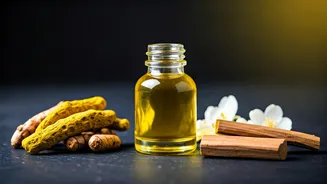
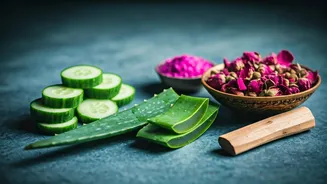
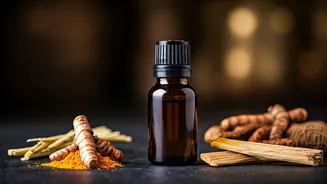
The efficacy of Nalpamaradi Tailam lies in its carefully selected natural constituents, primarily derived from the barks of four sacred trees: the banyan, peepal, cluster fig, and Indian fig. These botanical powerhouses are historically recognized for their profound skin-healing and illuminating properties, forming the core of this ancient formulation. The oil typically employs either coconut oil (known in Ayurveda as Kera Tailam) or sesame oil as its nourishing base, ensuring optimal absorption and delivery of the active herbal essences. Beyond the foundational tree barks, the blend is often enriched with other potent herbs such as turmeric, known for its anti-inflammatory and brightening effects, and vetiver, prized for its cooling and skin-rejuvenating qualities, alongside amla, a rich source of Vitamin C that promotes skin vitality. This synergistic combination of ingredients works harmoniously to revitalize the skin, offering a natural pathway to improved texture and a luminous complexion.
Historical Significance in Kerala
With an unbroken lineage spanning over 3,000 years in India, Nalpamaradi Tailam's origins are deeply rooted in the ancient Ayurvedic practices of Kerala. The name itself, "Nalpamaradi," is derived from the Malayalam term "nalpamaram," which precisely translates to the combination of these four significant ficus tree barks, long revered for their therapeutic and beautifying attributes. Historically, this potent oil served critical functions beyond cosmetic enhancement; it was traditionally employed in the management of skin inflammations and the care of wounds resulting from burns. Furthermore, a diluted iteration of the oil was a trusted remedy in the hands of midwives, who utilized it for gentle neonatal massages to preserve the delicate skin of infants, particularly in the region's humid climate, preventing dryness and irritation. This rich history underscores the oil's versatile and deeply ingrained role in traditional Kerala households.
Revival and Modern Acceptance
The enduring relevance of Nalpamaradi Tailam was notably highlighted during periods of historical upheaval, such as the World Wars. During these challenging times, women in Kerala and neighboring parts of Tamil Nadu actively revived and perpetuated the traditional preparation of this vital oil. They ingeniously stored the precious formulations in readily available coconut leaf baskets, ensuring its continuity as a household essential. Over subsequent decades, the wisdom behind Nalpamaradi Tailam was meticulously preserved and passed down through generations, documented in ancient Ayurvedic texts and sustained within familial traditions. This rich heritage has seamlessly transitioned into contemporary skincare routines, bridging the gap between ancient wisdom and modern-day beauty practices. The endorsement and positive testimonials from influential figures and passionate skincare enthusiasts today further validate the efficacy of this time-honored remedy, attracting a new generation to its natural benefits.