
Why Freeze Cheese?
Freezing cheese is a fantastic way to extend its lifespan and prevent spoilage, particularly when you have an abundance. Cheese, in its various forms,
can be quite expensive, and throwing it away due to it becoming moldy feels like a waste. By freezing it, you can avoid this entirely. Freezing effectively pauses the aging process, allowing you to use the cheese later. This is particularly helpful when you've bought a large block of cheese for a recipe that only needed a small amount. This also helps with meal planning. Preparing meals in advance becomes easier when you have readily available frozen cheese on hand for pizzas, pasta dishes, or sandwiches. It makes your cooking process more efficient and reduces the likelihood of last-minute grocery runs. It's a simple, practical step to minimize food waste and make the most of your culinary supplies.
Cheese Types to Freeze
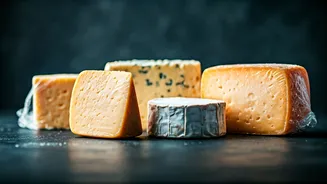
Not all cheeses respond equally well to freezing, so knowing which ones are suitable is essential. Hard cheeses, like cheddar, parmesan, and Swiss, are excellent candidates. They retain their texture and flavor relatively well after thawing. Soft cheeses, on the other hand, are a bit trickier. Cream cheese, ricotta, and cottage cheese can become grainy or separate after freezing, although they’re still usable in cooked dishes. Semi-hard cheeses, such as mozzarella, can be frozen, but their texture might change slightly, making them better suited for cooking rather than eating fresh. When in doubt, always read the packaging for guidance. Some cheeses are specifically designed to withstand freezing, while others are best consumed fresh. Knowing the right cheeses will save both time and effort in the long run.
Proper Wrapping Techniques
Proper wrapping is crucial to maintaining cheese quality during freezing. The goal is to prevent freezer burn and maintain moisture. Start by tightly wrapping the cheese in a layer of plastic wrap. Ensure there are no air pockets, as these can promote ice crystal formation. After the plastic wrap, add a second layer of protection using either a freezer bag or aluminum foil. This dual-layer approach provides an extra barrier against moisture loss and odor absorption from other foods in your freezer. For softer cheeses or smaller portions, consider pre-portioning the cheese before wrapping. This allows you to thaw only what you need, minimizing waste. Always label the wrapped cheese with the type and the date you froze it. This way, you know what it is and when it should be used by, allowing you to stay organized.
Freezing in Portions
Freezing cheese in smaller portions offers several advantages. It allows for easier access and helps manage portion control. Instead of thawing an entire block, you can take out only what you need, reducing waste if you are using cheese frequently. To do this, cut the cheese into smaller blocks, cubes, or slices before wrapping. Each portion should be wrapped individually, following the dual-layer wrapping method described earlier. Place the wrapped portions in a freezer bag or container, making sure to squeeze out excess air. By portioning your cheese, you can easily use it in various dishes. A few cubes can be added to pasta, slices can top sandwiches, or shredded cheese can be added to omelets. It is a highly practical way to manage your cheese supply and prevent waste.
Thawing Your Cheese
Proper thawing is essential to restoring your frozen cheese. The best method is to move the cheese from the freezer to the refrigerator. Allow it to thaw slowly overnight, which helps retain its texture and flavor. For quicker thawing, you can immerse the wrapped cheese in cold water. However, avoid using hot water, as it can encourage bacterial growth and alter the texture of the cheese. Once thawed, use the cheese immediately. Thawed cheese is best used within a week. While some slight changes in texture are normal, following these thawing guidelines will ensure that you continue enjoying your cheese dishes. Depending on the kind of cheese, the taste can be impacted. Consider the use of your cheese after thawing.
Cooking with Frozen Cheese
Frozen cheese is ideal for many cooked applications, regardless of whether its texture has changed slightly after thawing. Shredded or crumbled cheese can be added directly to soups, sauces, or casseroles without thawing. It will melt and integrate beautifully into the dish. Sliced or cubed cheese can be used in baked dishes like quiches, gratins, and lasagna. The subtle changes in texture often won't matter in these types of recipes. For dishes where the texture is important, such as cheese platters or sandwiches, use the cheese as fresh as possible. Remember to adjust your cooking times slightly, as the cheese may take a little longer to melt. Consider the end use. With a bit of strategic planning, frozen cheese can be an incredibly versatile ingredient to have in your kitchen, making meal preparation more efficient and helping you reduce food waste.