




Summer's Foodborne Threat
The warmer months present a unique challenge for food safety, as elevated temperatures create a breeding ground for bacteria and accelerate spoilage. What
might be a minor oversight during cooler periods can escalate into a serious health hazard when temperatures soar. This heightened risk underscores the importance of meticulous food handling and storage practices during summer. A stark reminder of these dangers emerged from New Taipei City, where nearly 100 individuals were hospitalized due to suspected food poisoning after consuming meals from Chin Liu Cuisine. The incident, which saw customers fall ill after purchasing bento boxes during a public holiday, led to the closure of all three restaurant branches and prompted an investigation. The health department reported a significant number of individuals experiencing symptoms like abdominal pain, diarrhea, and fever, with many linked to specific lunchbox purchases. Initial findings during the inspection revealed critical hygiene lapses, including improper knife storage, unhygienic staff practices, and refrigeration units failing to maintain the required temperatures. These factors are strongly suspected to have contributed to the widespread contamination and subsequent hospitalizations, awaiting final laboratory confirmations.
Container Calamities & Cross-Contamination
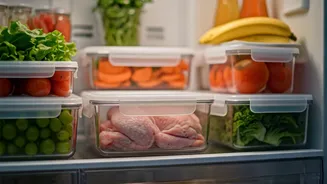
The choice of food containers plays a surprisingly significant role in preserving food quality, especially during humid summer weather. Many households opt for plastic containers, but these can become problematic when exposed to high humidity, fostering the rapid proliferation of bacteria and mold on stored food. Furthermore, containers with ill-fitting lids or those left uncovered in the refrigerator pose a substantial risk of cross-contamination. This means that harmful microorganisms can easily transfer from one food item to another, potentially making previously safe food hazardous. To combat these risks, it is advisable to invest in high-quality, airtight containers. Equally important is maintaining rigorous hygiene standards for these containers, ensuring they are thoroughly cleaned and dried after each use to prevent any lingering bacterial buildup that could compromise future food storage.
The Peril of Lingering Leftovers
One of the most prevalent and dangerous mistakes people make with food during the summer is leaving cooked meals at room temperature for extended periods. In warm conditions, bacteria can multiply exponentially, turning food unsafe for consumption in as little as one to two hours. A common misconception is that reheating contaminated food will render it safe, but this is often not the case. Once food has been exposed to unsafe temperatures for too long, the toxins produced by bacteria may persist even after heating. Therefore, the golden rule for preserving the safety of leftovers is to refrigerate them as soon as they have cooled down sufficiently. Prompt refrigeration is a critical step in inhibiting bacterial growth and ensuring that food remains edible and does not pose a health risk.
Overcrowded Fridges' Cooling Crisis
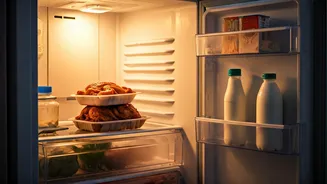
During summer, there's a natural inclination to store everything in the refrigerator to prevent spoilage. However, this common habit can inadvertently lead to food safety issues if not managed correctly. Refrigerators have a limited capacity, and overfilling them restricts proper air circulation. This lack of airflow results in uneven cooling, creating warmer pockets within the appliance where food can spoil more rapidly. To counteract this, it's essential to maintain a well-organized refrigerator. Experts recommend reorganizing its contents every alternate day or so. This ensures that cool air can reach all items effectively, maintaining a consistent and safe temperature throughout the appliance and minimizing the risk of foodborne illnesses due to inadequate chilling.