







The Foundation of Free Play
Remember building forts from cushions and fixing broken toys with whatever was at hand? These seemingly simple moments of unstructured play were incredibly
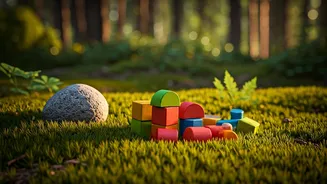
formative, teaching us patience, curiosity, and problem-solving long before the digital age. As technology increasingly dominates, recreating these real-world discovery experiences for children is paramount. Niyati Handa, Co-Founder and Director at Eklavya School in Bengaluru, emphasizes that dismantling toys, tackling complex puzzles, or interacting with tactile games encourages independent thought. Open-ended materials like blocks and magnetic tiles provide a canvas for imagination, experimentation, and free-form building. Even repurposing delivery boxes into robots sparks creativity, resilience, and a sense of responsibility, teaching valuable lessons that learning is an ongoing, enjoyable journey, not an instantaneous event.
Cultivating Curiosity Through Experience
When children are given opportunities for hands-on, real-world engagement, their innate curiosity truly blossoms. A simple outdoor walk can ignite a cascade of questions, while tending to a growing plant introduces gentle lessons in care and science. Taking children to diverse locations like museums, art galleries, post offices, or railway stations broadens their understanding of how the world functions beyond textbooks and screens. This direct interaction with everyday environments significantly enhances their curiosity, fosters intrinsic motivation, and promotes more profound, long-term learning outcomes. These experiences move beyond passive information consumption, making learning a vibrant, connected part of their lives.
Screen Time vs. Social Growth
Alongside intellectual development, nurturing a child's socioemotional well-being is crucial. Open conversations about feelings, reading stories that explore emotions, and establishing comforting bedtime rituals help children feel secure and understood. When a child experiences distress, validating their feelings rather than dismissing them instills empathy, confidence, and self-awareness. This secure foundation then supports their social development, often blossoming during unstructured play in parks. Here, children learn organically to share, negotiate, and navigate minor conflicts independently. Conversely, research indicates that higher screen exposure is linked to diminished attention spans and lower socioemotional competence, starkly contrasting the positive effects of real-world, interactive activities that are vital for comprehensive cognitive and emotional growth.