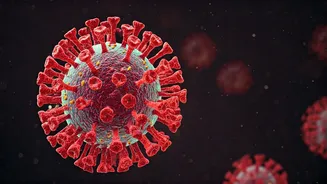

What is Nipah?
Nipah virus (NiV) is a zoonotic virus, which means it is transmitted from animals to humans. It first came to light in 1999 during an outbreak in Malaysia
and Singapore. The virus is known to be carried by fruit bats of the genus *Pteropus*, which are commonly found in regions of South and Southeast Asia. The disease can spread through direct contact with infected bats, by consuming fruits contaminated by their saliva or urine, or through contact with infected pigs or other humans. The virus's potential to cause severe illness and its relatively high mortality rate make it a key concern for public health authorities. Its emergence underscores the need for constant surveillance and prompt responses to disease outbreaks.
Symptoms of Infection
The symptoms of Nipah virus infection can vary significantly, ranging from mild to severe, and they usually begin within 5 to 14 days after exposure. Initially, infected individuals may experience flu-like symptoms, such as fever, headache, muscle aches (myalgia), and sore throat. This can progress to more serious complications, including inflammation of the brain (encephalitis), which can lead to seizures and coma. Respiratory issues, such as severe difficulty in breathing, are also common. In severe cases, the virus can lead to death. The fatality rate can be quite high, with mortality rates ranging from 40% to 75% depending on the outbreak and supportive care provided.
How it Spreads
The Nipah virus spreads through several routes, emphasizing the need for robust preventive measures. The primary source of the virus is fruit bats. Direct contact with bat saliva or urine can transmit the virus to humans, often through consuming contaminated dates or other fruits. The virus can also spread from infected animals to humans, with pigs being a key source during the initial outbreaks. Human-to-human transmission is also possible, primarily through close contact with bodily fluids of an infected person. Healthcare settings are particularly vulnerable to transmission if standard infection control measures are not followed. This complex spread pathway highlights the need for comprehensive control strategies, encompassing both human and animal health.
Prevention and Control
Preventing the spread of the Nipah virus involves a combination of individual and public health measures. Avoiding contact with fruit bats and their potential sources of infection, such as consuming fruits that might be contaminated, is crucial. Proper hand hygiene is essential, and people should avoid contact with anyone who shows symptoms of the disease, and healthcare workers need to take extra precautions. Public health interventions include strengthening disease surveillance systems to promptly detect and respond to outbreaks. There is no specific vaccine or treatment for Nipah virus. Supportive care is provided to manage symptoms, but the best approach is to prevent infection.
Recent Outbreaks in India
India has faced several outbreaks of the Nipah virus, notably in Kerala. These outbreaks have prompted significant public health responses. Public health authorities have intensified surveillance, implemented contact tracing, and established isolation measures to contain the spread. Health education campaigns have been launched to inform the public about the virus, its symptoms, and preventive strategies. The outbreaks have underscored the importance of preparedness, rapid response, and inter-sectoral collaboration. They emphasize the need for continued investment in healthcare infrastructure and public health capacity to handle infectious disease emergencies effectively. The experience with Nipah virus has shown the necessity for global cooperation to address emerging infectious diseases.