






The Unseen Nightly Heat
Delhi's summer is notorious for its punishing daytime heat, but a more insidious threat is emerging: exceptionally warm nights that offer little respite.
This phenomenon, where minimum temperatures stay unnaturally high, prevents urban environments from cooling down after sunset. Doctors are increasingly concerned, emphasizing that while daytime heatwaves grab headlines, the inability of our bodies to cool and reset overnight poses an equally significant, though often overlooked, danger. Our biological systems are designed to lower core body temperature during sleep, facilitating deep rest and organ repair. However, persistently elevated night temperatures disrupt this vital process, leaving individuals in a state of continuous physiological stress. This 'cumulative heat burden,' as medical professionals term it, means the body never gets a true break, leading to a cascade of health issues that begin silently after dark and can escalate quickly.
Sleep's Stolen Slumber
One of the most immediate and widespread consequences of these warm nights is profound sleep disturbance. As temperatures refuse to drop, falling asleep becomes a struggle, leading to frequent awakenings throughout the night, characterized by discomfort and excessive sweating. This disrupted sleep pattern has far-reaching effects, significantly impacting daytime cognitive functions, mood regulation, and overall productivity. Furthermore, a lack of restorative sleep weakens the body's capacity to cope with heat, creating a vicious cycle where sleep deprivation exacerbates heat intolerance the following day. Researchers are highlighting a growing link between elevated night-time temperatures and symptoms like chronic fatigue, heightened irritability, impaired cognitive abilities, and increased mental distress. This consistent disruption to sleep can also diminish immune function, making individuals more susceptible to illnesses during prolonged heat periods.
The Silent Dehydration Threat
Warm nights silently escalate the risk of dehydration, a danger often unnoticed until morning. Even while resting or sleeping, the body continues to perspire in its effort to regulate temperature, leading to a continuous loss of vital fluids and essential electrolytes like sodium and potassium. The human body relies on cooler nighttime temperatures to restore its thermal equilibrium, but when this fails, the persistent sweating means you can wake up already dehydrated. This pre-existing dehydration makes individuals far more vulnerable to the intense heat encountered during the daytime. Symptoms can manifest as weakness, dizziness, muscle cramps, a dry mouth, and headaches. If these lost fluids aren't replenished promptly, the risk of severe dehydration, particularly for vulnerable groups such as young children and the elderly, increases dramatically. Heat-related illnesses aren't solely about external temperature; they arise when the body's cooling mechanisms are overwhelmed by environmental stress.
Cardiac Strain Intensifies
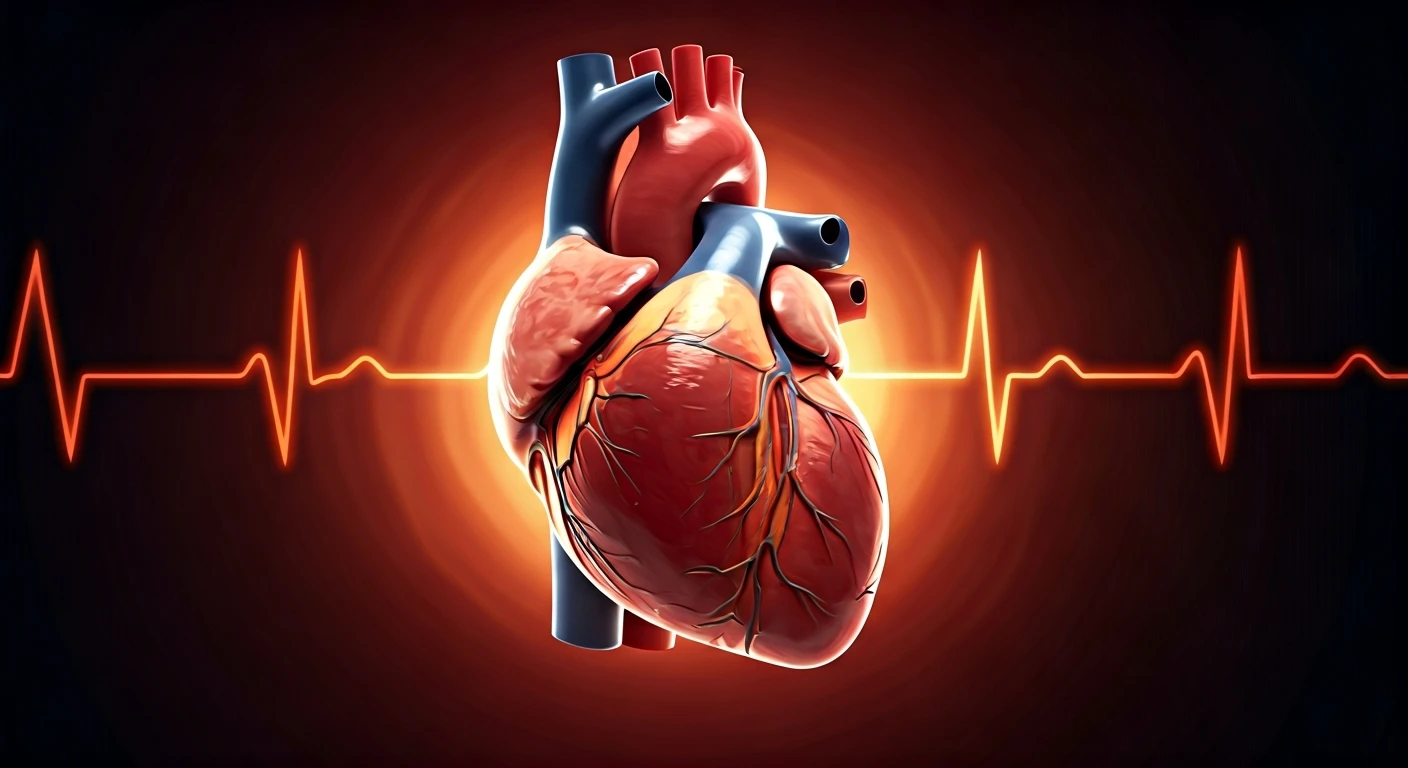
The cardiovascular system faces considerable strain during uncomfortably warm nights. To dissipate excess body heat, the body redirects more blood flow towards the skin's surface. This compensatory mechanism forces the heart to work harder, even when one is supposed to be at rest. This amplified workload can be particularly perilous for individuals with pre-existing health conditions like hypertension, heart disease, diabetes, or kidney disorders. Elevated body temperature can increase resting heart rate, while the widening of blood vessels to radiate heat might cause blood pressure to drop. For those with compromised cardiovascular health, the combined stress of high temperatures, humidity, and poor sleep can trigger serious events such as irregular heartbeats, heart failure, or even heart attacks. Additionally, certain medications, like diuretics commonly prescribed for hypertension, can exacerbate dehydration, further increasing vulnerability by reducing the body's water balance from the outset of the day.
Vulnerability and Urban Factors
Children and the elderly are disproportionately at risk from warm nights. Younger children may not recognize or adequately communicate their symptoms of heat stress, while older adults often experience a diminished capacity to regulate their body temperature through sweating. By the time symptoms like confusion, dizziness, or significantly reduced sweating become apparent, their condition might already be critical. Delhi's urban environment exacerbates this problem through the 'urban heat island' effect. Concrete structures, asphalt, and densely packed buildings absorb solar heat throughout the day and then slowly release it long after sunset. Coupled with increasing humidity, dwindling green spaces, and poor ventilation in crowded areas, indoor temperatures can remain dangerously high, often without people realizing the extent of the risk. Early public awareness and home-based preventative actions are crucial in averting severe heat-related illnesses.
Preparing for Night Heat
To combat the effects of warm nights, experts recommend proactive measures. Maintaining adequate hydration throughout the evening is paramount. Ensuring good ventilation indoors, wearing loose cotton clothing, and avoiding heavy meals late at night can significantly help. Pre-cooling your sleeping environment using fans or taking a cool shower before bed is advised. Dr. Sahay suggests using blackout curtains to keep rooms cooler and using fans to circulate air, recommending that air conditioners be set no lower than 24°C. These simple strategies can make a substantial difference in allowing your body the essential recovery it needs, even amidst persistent high temperatures.