




Planning Your Garden
Before you even think about planting, careful planning is key to a successful vegetable garden. Assess your available space, considering sunlight exposure,
which is crucial for most vegetables, ideally six to eight hours a day. Evaluate your soil; it's the foundation of your garden's health. You may need to amend the soil with compost or other organic matter to improve drainage and nutrient content. Decide what you want to grow. Choose vegetables that thrive in your local climate and align with your preferences. Consider a succession planting strategy to ensure a continuous harvest. Map out your garden layout, considering the mature size of each plant and spacing requirements to prevent overcrowding. This strategic layout will maximize your yield and simplify maintenance, leading to a vibrant and productive garden. Take time to research the varieties best suited for your region, ensuring a harvest tailored to your needs and preferences.
Preparing the Soil
Healthy soil is the cornerstone of a thriving vegetable garden. Begin by clearing the area of weeds, rocks, and any debris. Test your soil's pH level; most vegetables prefer a slightly acidic to neutral range. If the pH is off, you can adjust it by adding lime to raise it or sulfur to lower it. Improve soil structure by incorporating compost, well-rotted manure, or other organic matter. This not only enhances drainage but also boosts nutrient content, providing essential food for your plants. Consider raised beds or containers if your soil is poor or you have limited space. These methods offer greater control over soil quality and drainage. Before planting, lightly till or loosen the soil to a depth of about 12 inches, making it easier for roots to penetrate. Ensuring your soil is rich, well-draining, and properly pH-balanced is crucial for setting the stage for healthy plant growth and a bountiful harvest.
Choosing the Right Vegetables
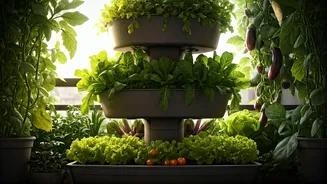
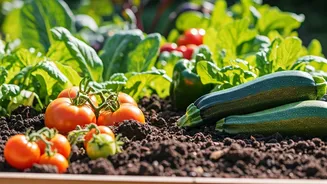
Select vegetables that are suited to your local climate and personal preferences. Consider factors like growing season, sunlight requirements, and space availability. For beginners, start with easy-to-grow vegetables like lettuce, spinach, radishes, beans, and zucchini. These varieties tend to be more forgiving and offer quick results. If you have limited space, opt for compact varieties or consider vertical gardening techniques. Group plants with similar needs together, such as sun-loving vegetables or those needing consistent watering. Research the specific needs of each vegetable, including planting time, spacing, and maturity dates. Consider succession planting – sowing seeds at intervals to extend your harvest season. This allows for a continuous supply of fresh produce. Explore a variety of vegetables to diversify your diet and add interest to your garden, making the most of your space and efforts.
Planting Your Seeds
Carefully follow the instructions on your seed packets for proper planting depth and spacing. Many vegetables can be started directly from seed in the ground, while others benefit from being started indoors. When starting seeds indoors, use seed-starting mix and provide adequate light and warmth. Once seedlings are established and the weather permits, transplant them into your garden. Gently water the newly planted seeds or seedlings to settle the soil. Ensure the soil remains consistently moist, especially during the germination period. Consider using biodegradable pots or trays to minimize transplant shock. Protect young seedlings from pests and harsh weather by using row covers or cloches. Keep a planting calendar to track when you sowed each seed and expect the harvest. Consistent watering, adequate sunlight, and protection from pests will ensure that your plants thrive from the very beginning.
Nurturing Your Garden
Water your plants regularly, providing consistent moisture, especially during dry spells. Avoid overhead watering to reduce the risk of fungal diseases; instead, water at the base of the plants. Mulch around your plants with organic materials such as straw or wood chips to retain moisture, suppress weeds, and regulate soil temperature. Fertilize your vegetables with a balanced fertilizer or compost tea, following package instructions. Regularly inspect your plants for pests and diseases. Address any issues promptly, using organic pest control methods when possible, such as insecticidal soap or neem oil. Weed your garden regularly to prevent weeds from competing for nutrients and water. Prune your plants as needed to encourage growth and improve air circulation. Consistent care and observation will help you maintain a healthy, productive vegetable garden, allowing you to enjoy fresh produce throughout the growing season.
Harvesting Your Bounty
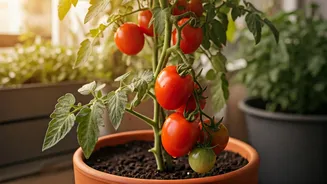
Harvest vegetables at their peak ripeness for the best flavor and texture. Refer to your seed packets or gardening guides to determine the optimal harvest times for each vegetable. Harvest frequently to encourage continued production, especially for vegetables like beans, zucchini, and tomatoes. Use clean tools to cut or pick vegetables. Handle your harvest with care to prevent bruising. Wash and store your harvested vegetables properly to maintain their freshness. Some vegetables, like leafy greens, are best stored in the refrigerator, while others, like tomatoes, can be kept at room temperature until ripe. Consider preserving your harvest through methods like canning, freezing, or drying to enjoy your homegrown vegetables for an extended period. Enjoy the fruits of your labor by savoring your fresh, homegrown produce in delicious meals and recipes.