




Extreme Heat Explained
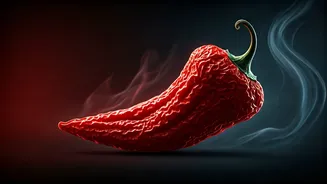
The pursuit of extreme spice has led to the cultivation of chili peppers that transcend mere flavor, becoming tests of endurance. These peppers, measured
in Scoville Heat Units (SHU), feature capsaicin concentrations so high that the sensation is less about taste and more about an intense, almost overwhelming burning experience. The Scoville scale, derived from laboratory measurements, quantifies this heat, with higher numbers indicating a more formidable burn. Only varieties consistently recognized and measured as super-hot are considered in this extreme lineup. At this level, precautions like gloves are highly recommended, and consuming milk becomes a necessity rather than a preference. These are not ingredients for everyday cooking; they are peppers people often film themselves consuming, a testament to their notoriety and the extreme reactions they provoke. The relentless innovation in chili breeding means that while we identify the hottest today, growers are already striving to push the limits further, driven by a curiosity for heat that seems as boundless as capsaicin itself.
Reigning Heat Champions
At the pinnacle of spiciness, Pepper X stands as the current reigning champion with an astonishing 2,690,000 SHU. This pepper, developed through years of dedicated cultivation, offers an unparalleled level of heat that fundamentally alters one's perception of spice and comfort. Following closely is the Carolina Reaper, a former record-holder that still commands respect with its 1,900,000 SHU. It initially presents a sweet, fruity profile before unleashing an intense, lingering burn. The Komodo Dragon shares the Reaper's maximum heat potential of up to 1,900,000 SHU, employing a similar deceptive sweetness that precedes a powerful, volcanic heat. The Trinidad Moruga Scorpion, previously recognized as the world's hottest, registers around 1,600,000 SHU. Its name aptly reflects its potent sting, offering a fierce, fruity flavor that gives way to extreme heat. These peppers represent the apex of capsaicin concentration, transforming simple ingredients into challenging culinary encounters that test the limits of human tolerance.
Intense Flavors and Fierce Burns
Delving further into the spectrum of super-hot chilies, the 7 Pot Douglah presents an intense, dark, and earthy flavor profile, measuring approximately 1,388,938 SHU. Its reputation suggests it's potent enough to season seven pots of stew, though many would likely find a single bite overwhelming. Originating from the UK, the Dorset Naga offers a brutal strength with a surprising hint of sweetness, clocking in at about 1,299,114 SHU, a testament to British prowess in extreme heat cultivation. The Naga Morich, a slow-burning variety from Bangladesh, boasts around 1,250,000 SHU; its heat builds gradually but commits fully, making patience a virtue that is unlikely to be rewarded. The 7 Pot Brain Strain, with its ominous appearance and wrinkled texture, sits at approximately 1,175,000 SHU. Its sweetness is fleeting, quickly overshadowed by an all-consuming fire. These peppers, each with their distinct characteristics and SHU ratings, showcase the diverse and formidable landscape of the world's spiciest chili peppers.
Record Holders and Global Contenders
The quest for the ultimate chili heat has seen several peppers briefly hold world records, highlighting the rapid pace of innovation. The Infinity Pepper, for instance, held the title of world's hottest for a mere two weeks, with a recorded SHU of about 1,158,643. This short reign underscores the dynamic nature of chili breeding and record-keeping in this extreme category. Another significant contender is the 7 Pot Barrackpore, originating from Trinidad, a region known for its dominance in the chili arms race. This pepper offers a fruity, slightly bitter taste alongside its ferociously hot profile, measuring around 1,150,000 SHU. These peppers, while perhaps less renowned than the absolute top tiers, are still exceptionally potent and contribute to the global collection of super-hot varieties that fascinate and challenge spice aficionados worldwide. Their existence further emphasizes the ongoing human endeavor to explore and experience the extreme limits of taste and sensation.