






Designate Your Workspace
The shift towards remote and hybrid work models necessitates the creation of a distinct professional area within your home. Instead of relying on temporary
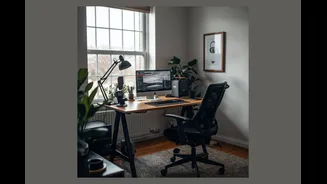
setups or multipurpose corners, invest in a permanently designated workspace. This area should ideally be equipped with a well-proportioned desk and an ergonomic chair to support prolonged periods of work. To visually delineate your work zone from your living space, consider using subtle partitions such as area rugs or decorative screens. Incorporating organized storage solutions and adopting a neutral color palette can further enhance focus and minimize distractions. Establishing these dedicated workstations is paramount for maximizing productivity and fostering a professional mindset even when working from home.
Incorporate Movement
Prolonged periods spent in a static sitting position can lead to significant fatigue, reduced concentration, and even musculoskeletal strain. Our bodies are inherently designed for movement, not for remaining stationary for extended durations. To combat this, it's crucial to introduce flexibility into your workday. Height-adjustable desks are an excellent investment, allowing you to seamlessly transition between sitting and standing. Alternatively, even a simple standing desk setup can make a considerable difference. Alternating between sitting and standing throughout the day not only breaks up sedentary periods but also actively improves blood circulation, contributing to sustained energy levels and overall well-being.
Optimize Lighting
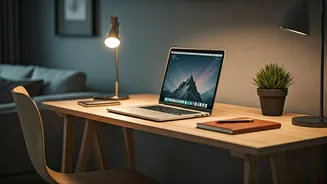
The quality of light in your workspace significantly impacts your mood and productivity. Harsh, cool-toned lighting can create a clinical and tiring atmosphere, especially during long work hours. Conversely, opting for warm, layered lighting can cultivate a more relaxed and inviting ambiance. Introduce desk lamps with adjustable brightness or directional lighting to provide task-specific illumination. Layering your lighting—combining ambient light with task lighting—helps to reduce eye strain and creates a more comfortable visual environment. This approach not only supports a calmer and more focused state of mind but also contributes to a more pleasant and sustainable work experience.
Embrace Natural Elements
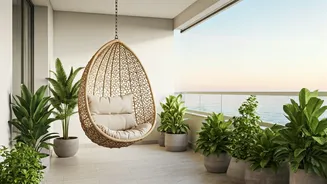
Integrating natural elements into your home office can profoundly enhance its balance and your mental state. Indoor plants, for instance, not only beautify the space but also contribute to a more serene and harmonious environment. Maximizing access to daylight is equally important, as natural light is known to improve mood and overall well-being. Incorporating materials like natural wood or textured fabrics can instill a grounded and calming feeling. Decor inspired by nature, whether through color palettes, artwork, or actual natural items, can effectively reduce feelings of fatigue and promote a sense of connection to the outdoors, even when you're indoors.
Establish Clear Zones
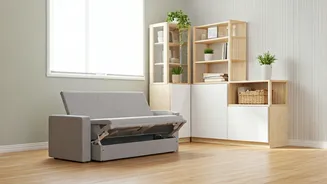
A significant challenge of working from home is the inherent lack of separation between professional and personal life, which can lead to burnout. To mitigate this, it's essential to create distinct 'micro-zones' within your living space. Designate a specific corner or area solely for work, and establish a separate relaxation zone where you can switch off. For those with limited space, innovative solutions like fold-out desks can be invaluable, maintaining visual clarity by allowing you to stow away your work equipment after hours. A multi-functional coffee table with a lift-top surface can ingeniously double as a compact workstation while providing discreet storage, making it easier to keep your environment organized and clutter-free.