







The Unexpected Find
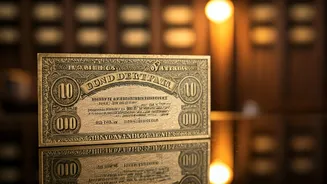
The narrative begins with a man's discovery: a 30-year-old UTI bond. This financial document had been quietly tucked away, purchased by his uncle. The original
investment amounted to Rs 20,000. Now, years later, the bond resurfaces, triggering curiosity and sparking conversations about its current worth. The discovery has since become a hot topic online, with many speculating about its potential value and the returns it might generate. The unexpected nature of finding such a long-held investment has caught the attention of many.
Initial Expectations Soar
News of the bond's rediscovery quickly spread across the internet. Social media platforms and online forums were soon filled with discussions and predictions. Many individuals expressed optimistic views, anticipating a substantial profit from the original investment. Some users even mentioned the possibility of the bond being worth 'Crores', based on the long period it has been held. These comments reflect the general public's fascination with investments and the perceived potential of long-term financial holdings. The initial reactions highlighted the excitement and anticipation surrounding the bond's perceived value.
Reality vs. Speculation
While the online excitement was palpable, the real value of the bond is unlikely to match the extravagant speculations. The actual returns on investments, particularly those from decades ago, can often be different than anticipated. Factors such as inflation, interest rates, and the specific terms of the bond play a crucial role in determining its final value. It's important to approach these situations with a practical perspective and consider all relevant details. While the discovery is exciting, managing expectations is key to avoid disappointment when the real value is known. Considering the historical context and the specifics of the bond is important.
Understanding the Value
To calculate the bond's current worth, factors like the original investment of Rs 20,000, the interest earned over the past 30 years, and any potential tax implications need to be considered. The interest rate applicable to the bond would influence the final payout significantly. Additionally, there might be specific rules and regulations guiding how the bond's value is determined at maturity or upon its redemption. By considering all these components, the true monetary value of the bond can be determined. A more detailed assessment would likely involve consulting financial experts or examining the original bond documentation.
Lessons Learned
The story of the UTI bond provides some valuable financial lessons. It highlights the significance of keeping track of investments and understanding their terms. The discovery also highlights the importance of realistic expectations when dealing with long-term financial instruments. Moreover, it emphasizes the need for thorough research and advice from financial professionals before drawing any conclusions. The incident serves as a good example of how economic situations can affect investments and helps with improving future decision-making about financial decisions.