






Introduction to Steaming
Steaming is a fantastic cooking method, and it is a gentle way of preparing food that preserves nutrients while enhancing flavors. This technique is particularly
beneficial for breakfast, as it ensures the meals are light, easy to digest, and full of goodness. In many Indian households, steamed dishes are a breakfast staple, offering a variety of textures and tastes. From fluffy idlis to savory modaks, steaming transforms simple ingredients into culinary delights, making breakfast both healthy and enjoyable. The process involves cooking food using steam generated from boiling water, ensuring food retains its natural moisture, and the flavors are brought out in a way that frying or other methods don't match. Steaming is a traditional practice passed down through generations, and it is a testament to the wisdom of adapting healthy cooking methods, which can make your meals nourishing and satisfying.
Idli: The Classic Choice
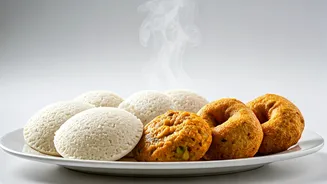
Idli is a South Indian staple, celebrated for its fluffy texture and mild taste. Made from fermented rice and lentil batter, idlis are steamed to perfection. The fermentation process not only gives idlis a unique, slightly tangy flavor but also boosts their nutritional value, making them a good source of probiotics. The preparation begins with soaking rice and urad dal separately, followed by grinding them into a smooth batter. The batter is then left to ferment overnight, which allows it to rise and develop the characteristic airy texture. The steamed idlis are typically served with sambar and coconut chutney, creating a balanced and flavorful breakfast. This combination is not only delicious but also provides a range of essential nutrients, offering a light yet filling meal that is perfect for any morning.
Dhokla: Gujarati Delight
Originating from Gujarat, Dhokla is a steamed snack made from fermented batter of gram flour, rice, and spices. It's known for its spongy texture and slightly tangy taste. The batter is fermented overnight to achieve its signature airy quality. The process involves adding a mix of ginger, green chilies, and sometimes fruit salt to create a fluffy consistency. The batter is then steamed until it becomes light and airy. Once steamed, Dhokla is often tempered with mustard seeds, curry leaves, and green chilies, which adds another layer of flavor and aroma. Typically, it is served with a drizzle of coriander leaves and a side of green chutney. Dhokla provides a great breakfast option for those looking for a light yet satisfying meal that blends flavors and textures.
Modak: Sweet Steamed Treats
Modaks are sweet dumplings, traditionally made during the festival of Ganesh Chaturthi, though can be enjoyed any day. These delightful treats consist of a rice flour shell filled with a mixture of grated coconut, jaggery, and spices. The process begins with kneading rice flour into a soft dough, which is then shaped into small pouches. The filling is carefully packed into these pouches, and the modaks are steamed until the rice flour shell becomes translucent and the filling is cooked. They have a chewy texture and sweet taste. Modaks represent a symbol of prosperity and good fortune, making them a cherished part of cultural celebrations. Whether homemade or bought, enjoying a modak is a delicious way to partake in Indian traditions and satisfy your sweet cravings.
Puttu: Kerala’s Breakfast
Puttu is a popular breakfast dish from Kerala, prepared by steaming layers of rice flour and grated coconut. The rice flour is mixed with water and a pinch of salt to form a crumbly mixture, which is then layered with grated coconut in a cylindrical mould. The layered mixture is then steamed until the rice flour is fully cooked, resulting in a soft and fluffy texture. Puttu is traditionally served with kadala curry (black chickpea curry) or a sweet version with coconut and banana. It is a hearty and wholesome breakfast option, providing both carbohydrates and fiber. The steaming process helps retain the nutritional value of rice flour and coconut, making puttu a balanced and nourishing meal. It is a simple yet satisfying meal enjoyed across Kerala.
Khaman: Savory Steamed
Khaman is another popular Gujarati snack, similar to dhokla but with slight variations in ingredients and texture. It is made from a batter of gram flour, also known as besan, along with spices and a leavening agent. The batter is steamed until it becomes fluffy and light. After steaming, khaman is typically tempered with mustard seeds, curry leaves, and chilies to enhance the flavors. It is often garnished with coriander and served with chutney. Khaman provides a tasty and convenient breakfast option, ideal for those seeking a quick and flavorful start to their day. Its simplicity in preparation makes it a favorite across the country. It is a snack that is both filling and flavorful, making it a favorite of all.
Idiyappam: String Hoppers
Idiyappam, also known as string hoppers, is a breakfast dish from South India and Sri Lanka, made from rice flour. The rice flour dough is pressed into thin, noodle-like strands, which are then steamed until tender. They have a delicate texture and a neutral taste. Idiyappam is usually served with vegetable stew, kurma, or even coconut milk and sugar. It offers a light and versatile base that complements a wide array of flavors. The dish's simplicity and quick cooking time make it a practical breakfast choice, providing a light yet fulfilling start to the day. It's a great example of the variety and innovation in South Indian cuisine.
Muttai Paniyaram
Muttai Paniyaram is a unique and flavorful breakfast dish, originating from Tamil Nadu. It is made by steaming small, savory dumplings that are crafted from a batter of eggs, rice flour, and spices. The batter is often seasoned with onions, chilies, and curry leaves to enhance the flavor. These are then carefully steamed until they become puffy and golden. The addition of eggs provides a protein-rich base. The result is a soft, flavorful, and easy-to-eat breakfast option. It can be served with chutneys or a simple curry, adding a delicious and convenient start to any day. Its unique blend of flavors and textures sets it apart.
Momo: Himalayan Delight
Momo, a steamed dumpling, has become a popular breakfast choice, especially in regions near the Himalayas. These dumplings are made by wrapping a filling of minced meat or vegetables in a thin dough. They are then steamed to perfection. The filling is usually seasoned with various spices and herbs, and this offers a burst of flavor. This can then be served with a spicy chutney or soup. Their versatility allows for many variations, making them a great meal. Momos make a filling and delicious breakfast, appealing to diverse tastes. Their popularity is a testament to their comforting flavors and ability to bring people together.
Bati: Rajasthani Staple
Bati is a traditional Rajasthani dish that has become a popular breakfast option across India. These are hard, unleavened bread balls, that are first baked or steamed. Steaming the batis makes them soft and easy to eat. Once steamed, they are typically served with dal (lentil soup) and churma (a sweet crumbled bread dish). The combination of the soft bati, flavorful dal, and sweet churma is a complete meal. Steaming the batis offers a lighter and healthier alternative to frying. This traditional dish reflects the culinary heritage of Rajasthan, and it offers a hearty and satisfying breakfast, perfect for a fulfilling start to the day.