






The Uninvited Guests
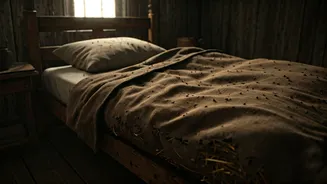
Imagine settling into bed, only to find it teeming with unwanted occupants. Three centuries ago, this was a common reality. Straw-filled mattresses, far
from the sanitized bedding we know today, were breeding grounds for fleas, lice, and bedbugs. The lack of consistent hygiene meant that a peaceful night's rest was often disrupted by the relentless crawling and biting of these tiny pests. This constant irritation made achieving deep, restorative sleep an arduous, if not impossible, task for most people. The very foundation of their beds was a source of discomfort and a testament to the challenging environmental conditions of the era. This pervasive presence of insects highlights a significant difference in living standards and personal comfort between then and now.
Shared Spaces, No Privacy
Privacy in the bedroom was virtually non-existent 300 years ago. It was common practice for entire families, and sometimes even individuals not related by blood, to share the same sleeping quarters. This communal approach to rest meant that personal space was a luxury few could afford. Social etiquette dictated who slept where, but the fundamental reality was that most people were in close proximity to others throughout the night. This lack of individual space not only impacted comfort but also social dynamics, forcing a level of interdependency and shared experience that is largely absent in modern, private sleeping arrangements. The concept of a personal bedroom, a sanctuary for solitude, was simply not part of the cultural fabric.
Livestock Indoors
The boundaries between human living spaces and animal enclosures were often blurred in the 1700s. For warmth and security, it wasn't uncommon for farm animals, such as chickens or goats, to be brought inside the home at night. This practice introduced a cacophony of noises, from clucking to bleating, which would have made quiet slumber incredibly difficult. Furthermore, the presence of livestock brought with it a distinct aroma, adding another layer of sensory disruption to the sleeping environment. Unsurprisingly, these animals also contributed to the already existing problem of pests within the home. This close cohabitation with animals underscores the resourcefulness and the stark environmental realities faced by people in the past, where every available space was utilized for survival and comfort, however rudimentary.
The Two-Phase Sleep
Contrary to our modern ideal of uninterrupted sleep, people in the 1700s typically experienced their slumber in two distinct phases. They would fall asleep for an initial period, known as the 'first sleep.' After waking for an hour or two, often to attend to personal needs or simply remain awake, they would then drift back into a 'second sleep' until morning. This segmented sleeping pattern suggests a different biological and social rhythm. The reasons for this division are debated, but it likely reflects a combination of environmental factors, social customs, and perhaps even the natural cycles of light and darkness before widespread artificial illumination. This historical norm challenges our current understanding of a 'good night's sleep' and reveals a fascinating aspect of human sleep behavior.
Basic Beds, Harsh Nights
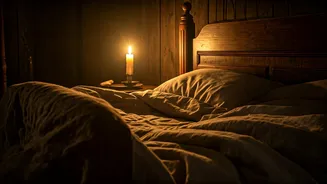
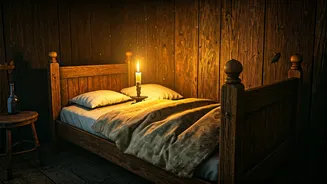
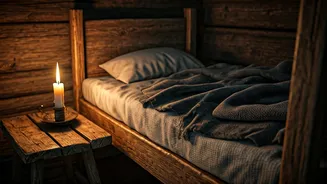
The sleeping arrangements of the past were rudimentary at best. Many individuals slept on simple straw-filled mattresses, which offered minimal cushioning and significant potential for discomfort. In some cases, people slept directly on the floor, with little more than a thin covering. These basic setups provided scant protection from the cold drafts that permeated homes, especially during winter months. The lack of modern bedding materials and furniture meant that achieving a comfortable sleeping position was a constant challenge. This stark contrast to the climate-controlled, ergonomically designed beds of today highlights the significant advancements in living standards and the pursuit of physical comfort over the centuries.
Risks and Noise
Nights 300 years ago were not just dark; they were often fraught with peril and amplified by noise. The absence of electricity meant that true darkness enveloped homes after sunset, fostering an atmosphere where fear of intruders or theft was a genuine concern. Fire was a constant hazard, with open flames used for light and heat posing a significant risk of accidental ignition. Beyond these tangible dangers, the nights were far from silent. The sounds of the household, the proximity of animals, and external disturbances all contributed to a constant background noise that would have made peaceful rest difficult. This combination of fear, potential danger, and auditory disruption paints a vivid picture of the anxieties that accompanied the end of each day.