
VLEO: A Harsh Realm
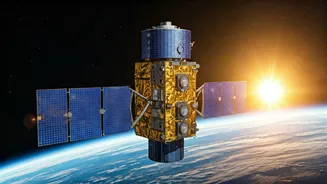
Satellites in Very Low Earth Orbit (VLEO) face extreme conditions that can drastically shorten their operational life. VLEO altitudes, ranging from approximately
200 to 450 kilometers above Earth's surface, are exposed to a high concentration of atomic oxygen. Atomic oxygen (AO), a highly reactive element, can erode satellite surfaces, degrading them over time. This erosion can damage critical components like solar panels, thermal control coatings, and other external structures, reducing the satellite's ability to function correctly. Furthermore, VLEO environments experience increased atmospheric drag, which requires constant thrusting to maintain orbit, consuming valuable fuel and potentially limiting a satellite’s operational duration. These challenges make finding robust materials and technologies a priority for extending satellite lifespans and the practicality of VLEO missions.
The Threat of AO
Atomic oxygen (AO) is a primary culprit behind the degradation of satellite materials in VLEO. AO is formed when solar ultraviolet radiation interacts with atmospheric oxygen molecules. This process breaks down oxygen molecules into individual oxygen atoms, creating a highly reactive environment. When AO collides with satellite surfaces, it causes erosion through a process known as oxidation. This oxidation process involves the chemical combination of AO with the materials, leading to the loss of mass and changes in the surface properties of the materials. Different materials exhibit varying degrees of resistance to AO. Polymers and organic coatings are particularly vulnerable, while certain ceramics and metals demonstrate higher resistance. The selection of materials, along with protective coatings, are vital to extending the lifespan of VLEO satellites. Finding materials that can withstand this environment is critical for ensuring the longevity and reliability of these spacecraft.
AO-Resistant Materials Unveiled
The development of AO-resistant materials is key to enhancing the durability of satellites in VLEO. Research efforts focus on a variety of materials and coatings designed to withstand the harsh conditions of space. These materials typically include advanced polymers, ceramics, and metal alloys. One common strategy is the use of protective coatings. These coatings act as a barrier between the satellite's surface and the AO, minimizing erosion. Materials like silicon dioxide (SiO2), indium tin oxide (ITO), and certain diamond-like carbon (DLC) coatings have shown excellent AO resistance. Furthermore, the use of composite materials that integrate AO-resistant components into the overall structure of the satellite is also being explored. By carefully selecting and applying these materials, engineers can significantly reduce the impact of AO and extend satellite lifespans.
Benefits of Longevity
Extending the operational lifespan of satellites in VLEO offers several advantages. Longer lifespans translate to more cost-effective operations by reducing the frequency of replacement launches and minimizing the associated expenses. Satellites with extended lifespans can also offer more reliable and consistent services, such as Earth observation, communication, and scientific research. Furthermore, this longevity supports the commercial viability of VLEO missions, which is crucial for applications such as high-resolution imaging and low-latency communication. The development of robust materials directly impacts the ability to utilize the VLEO environment more efficiently, driving innovation across various sectors reliant on satellite technology.
Future of VLEO Satellites
The future of VLEO satellites hinges on the continuous advancements in AO-resistant materials and overall satellite design. Further research and development are anticipated to focus on creating materials with even greater resistance to AO, as well as developing advanced protective coatings that can withstand extreme space conditions. Innovations may include self-healing materials that can repair minor damage from AO, or the use of multi-layered materials that provide enhanced protection. As technology matures, it will enable the construction of more reliable, efficient, and cost-effective satellites for VLEO missions. This continuous improvement in materials science and engineering is crucial for expanding the capabilities and potential of space-based services, impacting a diverse range of industries and enabling new discoveries.