





The Invisible Threat
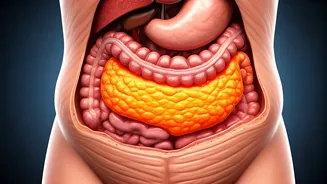
Beyond the fat visible under the skin, which primarily affects appearance and clothing size, lies a more insidious form known as visceral fat. Unlike subcutaneous
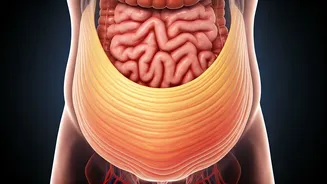
fat, which can be pinched and seen, visceral fat is deeply embedded within the abdominal cavity, encasing vital organs like the liver, pancreas, and intestines. This internal fat accumulation, though often unseen, is a critical health concern. Cardiothoracic surgeon Dr. Jeremy London highlights that this deep-seated fat is considerably more perilous than its surface counterpart, acting as a hidden driver of various health complications due to its unique biological behavior and location. Understanding the distinction between these fat types is the first step in recognizing and addressing the silent risks it presents to overall well-being.
Metabolic Mayhem Maker
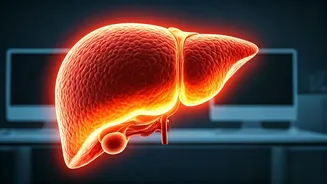
Visceral fat is not merely passive storage; it's a highly active player in your body's metabolic processes, behaving akin to an endocrine organ. Dr. London explains that this internal fat actively releases substances called cytokines, which are potent pro-inflammatory agents. These inflammatory signals spread throughout the body, contributing to chronic inflammation. Elevated levels of visceral fat are strongly associated with a cascade of serious health issues, including insulin resistance, the precursor to type 2 diabetes, and non-alcoholic fatty liver disease. Furthermore, it significantly elevates the risk of cardiovascular problems, silently increasing the strain on your metabolic system and heart over time. Its constant activity makes it a far greater threat than superficial fat.
Assessing Your Risk
Gauging your risk from visceral fat doesn't always require sophisticated medical equipment. Dr. London suggests a simple yet effective method: calculating your waist-to-height ratio. By measuring your waist circumference and dividing it by your total height, you can get an initial indication. If this ratio exceeds 0.5, it signifies an increased risk associated with higher levels of visceral fat and a greater metabolic burden. For those seeking a more precise understanding of their body fat distribution and how it impacts their health, advanced imaging techniques like a DEXA scan can provide a detailed breakdown, offering a clearer picture of internal fat versus subcutaneous fat.
Simple Steps to Shed
The encouraging news regarding visceral fat is its remarkable responsiveness to consistent lifestyle modifications. In many individuals, this deep abdominal fat is often the first to diminish when a person increases their physical activity. Dr. London emphasizes that even moderate, consistent exercise, such as daily brisk walks or structured workouts, can make a significant difference. Complementing increased movement with a mindful approach to calorie intake can further amplify the fat-reduction results. The key lies in making small, sustainable changes that are adopted regularly, rather than embarking on extreme or short-lived efforts. These consistent, manageable shifts are most effective in reducing visceral fat.