





Essential Design Software
Navigating the world of online interior design tools can feel overwhelming, but professional designers often point to specific platforms that simplify
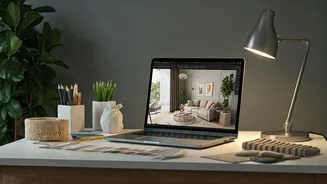
the process. For those just starting out, Canva is frequently lauded for its intuitive drag-and-drop interface, making it easy to experiment with different styles, colors, and furniture arrangements. This initial step is crucial for visualizing aesthetics and avoiding common design pitfalls before committing to more complex modeling. For users ready to explore three-dimensional renderings, a slightly more technical, yet still accessible, option exists, allowing for a deeper dive into spatial planning and visualization.
Visualizing Your Space
Beyond basic mood boards, certain software excels at bringing virtual spaces to life in 3D. One highly recommended tool is particularly valued for its ability to incorporate recognizable brand-name furniture into a virtual room. This feature allows users to realistically place and evaluate actual products within their planned design, providing a tangible sense of scale and style. It’s an excellent resource for individuals who are new to design, offering a less intimidating environment to explore various possibilities and gain confidence in their design choices.
Defining Your Style
A fundamental step in successful interior design, as emphasized by experts, is clearly defining your personal style before any decorating begins. Online tools can be instrumental in this process, transforming platforms like Pinterest from simple image collections into curated inspiration boards. Instead of aimlessly saving pictures, designers suggest actively selecting images that strongly resonate with your preferred aesthetic. This focused approach helps solidify your vision and guides your decisions, ensuring that the final outcome authentically reflects your taste and desired atmosphere.
Layout and Proportion
Leveraging online interior design software allows for meticulous conceptualization of a room's layout and flow before any physical changes are made. The inclusion of templates within these programs is highlighted not as a shortcut, but as an invaluable educational aid. These pre-designed layouts offer a visual reference for effective spatial arrangement and proportionate furniture placement, helping users develop a keen eye for good design. Before embarking on your own design, carefully consider the dimensions and architectural features of each space to ensure optimal functionality and aesthetic harmony.
Color and Material Testing
Online design tools provide an expansive canvas for experimenting with a wide array of paint colors, textures, and materials. However, designers caution that the accuracy of these digital representations can be influenced by monitor calibration and ambient lighting. To circumvent potential discrepancies and avoid costly errors, it is strongly advised to test paint colors directly in the physical space. Obtaining sample swatches and observing them under both natural daylight and artificial illumination within the intended room will provide the most truthful representation of how colors will appear.
Embrace Imperfection
A common piece of advice from interior design professionals is to resist the urge to achieve absolute perfection. The most cherished homes often possess a comfortable, lived-in quality that can be challenging to replicate entirely within a software program. While tools like Sketchup or Roomstyler are excellent for understanding spatial flow and furniture scale, they may not capture the subtle nuances of a truly welcoming environment. Embracing a degree of imperfection contributes to a more authentic and personal feel in your home.
Curated Furniture Mix
Creating a distinctive and appealing home often involves more than just sticking to a single brand. Designers appreciate software that enables the integration of diverse furniture pieces from various manufacturers. This capability allows for greater flexibility in curation, enabling users to mix and match items to achieve a more unique and personalized aesthetic. Experimenting with different brand names and styles within the virtual space can lead to unexpected yet harmonious design solutions.
Creative Design Improvisation
While templates offer a valuable starting point, true design mastery often flourishes through improvisation and personal expression. The most memorable interior design moments frequently arise from spontaneous creative choices. Designers encourage users to move beyond relying solely on pre-set options and to actively manipulate elements within the software. This hands-on approach, where users are encouraged to move and arrange items independently, is where significant learning and the development of a unique design voice truly occur.