






Summer Scalp Science
During warmer months, your scalp undergoes significant changes, producing more natural oil and accumulating sweat faster. This environment can create challenges
for hair growth if not managed properly. Heavy oils, while beneficial at other times, can become counterproductive in summer by potentially clogging hair follicles and trapping heat, thereby hindering progress. The objective for summer hair care isn't solely about promoting growth; it's about achieving a delicate balance between encouraging new growth, maintaining a healthy scalp, and providing lightweight nourishment that doesn't weigh your hair down or lead to irritation. Understanding these summer-specific conditions is the first step towards optimizing your hair care routine for both comfort and efficacy, ensuring your hair receives the support it needs to thrive without the burden of heavy, occlusive products.
Oils That Boost Growth
While no single oil is a miracle cure for overnight hair growth, a strategic blend can significantly support your hair's journey. Lightweight oils are paramount for summer, preventing scalp congestion and allowing for better breathability. Rosemary oil stands out due to its scientifically supported ability to improve blood circulation to the hair follicles, stimulate dormant roots, and address thinning concerns. Some studies even suggest its efficacy rivals certain established hair growth treatments over time. However, its potency means it should never be used alone; always dilute it with a carrier oil. Amla oil is another valuable player, boosting collagen production, strengthening hair follicles, and adding shine, thanks to its rich antioxidant and Vitamin C content, promoting healthier growth cycles. When used in summer, it performs best when mixed with lighter oils.
Oils to Limit or Avoid
In the heat of summer, certain oils can be detrimental to scalp health and hair growth if used excessively or incorrectly. Heavy oils like castor oil, due to its extreme thickness, can create a suffocating environment for the scalp. Similarly, mustard oil, known for its warming properties, can feel excessively hot and uncomfortable on the scalp in summer. Olive oil, while nourishing, can lead to heavy buildup, especially when combined with increased sweat and humidity. The key is not necessarily to eliminate these oils entirely, but to use them in very small quantities and always mixed with lighter, more breathable carrier oils. This approach allows you to still benefit from their properties without compromising your scalp's ability to stay clean, cool, and free from pore-clogging residues.
Ideal Summer Oil Mix
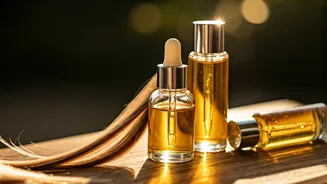
For effective and comfortable overnight oiling during summer, a simple yet potent blend is recommended. Start with a base of 1 to 2 tablespoons of a lightweight carrier oil such as coconut or jojoba oil. To this, add 2 to 3 drops of rosemary oil to harness its stimulating properties. For an added boost, consider incorporating a few drops of bhringraj or amla oil, both renowned for their hair-strengthening and growth-promoting benefits. This combination offers a balanced approach, providing nourishment and stimulation without feeling heavy or greasy. The goal is to create a mixture that is easily absorbed, allows your scalp to breathe, and supports a healthy environment for hair growth throughout the night, ensuring you wake up with refreshed hair and scalp.
Overnight Oiling Technique
The effectiveness of overnight oiling for hair growth hinges on technique and consistency rather than sheer quantity. Avoid the common misconception that more oil equals better results. Instead, use a modest amount of your chosen oil blend, focusing its application directly onto your scalp where hair growth originates. Gently massage the oil into your scalp for approximately 5 to 10 minutes to stimulate blood circulation. After massaging, tie your hair loosely to prevent friction and allow air circulation. It's crucial to wash your hair thoroughly the following morning to remove any residue and maintain scalp cleanliness. Consistent application of this method, rather than overwhelming your hair with excessive product, is what ultimately yields noticeable improvements over time.
Traditional Powerhouse Oils
Rooted in ancient Ayurvedic practices, bhringraj oil is celebrated as a potent "king of herbs" for hair health and is particularly beneficial for summer overnight oiling. It excels at improving scalp circulation, which is vital for delivering nutrients to the hair follicles. This oil also works to strengthen hair roots, thereby helping to reduce hair fall and promote a thicker mane. Its effectiveness lies in its ability to support growth without feeling overly heavy or greasy when used in appropriate, smaller quantities, making it an excellent choice for the summer season. When incorporated into your routine, it contributes to a healthier scalp environment conducive to robust hair growth.
Balancing Oily Scalps
For individuals whose scalps tend to get oily quickly, especially during summer, jojoba and argan oils offer an excellent solution. Jojoba oil is particularly noteworthy because its molecular structure closely mimics the natural scalp oil, sebum. This unique property allows it to effectively balance oil production, preventing your scalp from becoming overly greasy and ensuring pores remain clear. Argan oil, on the other hand, is prized for its lightweight consistency, which makes it absorb quickly without leaving a greasy residue. It also provides a protective barrier against environmental damage and helps to manage frizz. Both are ideal for overnight use in summer as they nourish the scalp and hair without suffocating them or contributing to a heavy, clogged feeling.
Coconut Oil: A Smart Base
Coconut oil remains a popular choice for hair care due to its ability to reduce protein loss in hair, strengthen strands, and impart softness while preventing breakage. However, its application in summer requires a more mindful approach. While effective, using too much coconut oil, particularly overnight, can lead to a greasy feeling and exacerbate sweat buildup on the scalp, potentially hindering growth. Therefore, it's best to consider coconut oil as a foundational carrier oil rather than the primary active ingredient for summer growth. Think of it as a supporting element that, when used judiciously and blended with lighter oils, contributes to overall hair health without the drawback of excessive heaviness.
The Real Growth Equation
Achieving significant hair growth is not about relying on a single 'miracle' oil or a quick fix. Instead, it's the result of a holistic approach that prioritizes scalp health, consistent application, and avoiding suffocating your hair roots with heavy products, especially in warmer weather. By adopting a simple, effective strategy—combining lightweight oils, engaging in gentle scalp massages, and maintaining a regular oiling routine—you are setting the stage for visible results. While dramatic changes might not occur overnight, consistent effort over time will undeniably lead to healthier, stronger, and longer hair, validating the importance of a balanced and well-considered hair care regimen.