







The Micro-cation Appeal
The allure of micro-cations lies in their ability to provide a significant escape within a compressed timeframe. These short trips, typically lasting two
to four days, offer a potent remedy for the pressures of modern life, allowing individuals to recharge and experience new places without the logistical complexities and financial strain associated with traditional, longer holidays. Travelers are increasingly drawn to these mini-breaks as a practical way to inject moments of joy and exploration into their routines. The core concept is about maximizing enjoyment and impact in a minimal amount of time, proving that a fulfilling travel experience doesn't necessitate an extended absence. This approach offers a refreshing alternative to conventional vacationing, catering to those with limited time off, tighter budgets, or simply a desire for more frequent, manageable adventures.
Flexibility and Less Stress
A primary advantage of micro-cations is their inherent flexibility and the reduction in planning stress they afford. Unlike longer holidays that require extensive scheduling, booking accommodations, and coordinating multiple activities, these brief excursions can often be arranged with little advance notice. This spontaneity allows travelers to seize opportunities, perhaps snagging last-minute deals or simply deciding to embark on an adventure when the mood strikes. The reduced planning burden is significant; with fewer elements to organize, pack, and worry about, the focus can remain squarely on enjoying the experience. This streamlined approach makes travel more accessible and less overwhelming, particularly for those juggling busy careers, family responsibilities, or other commitments, ensuring that the getaway itself is the priority, not the preparatory chaos.
Exploring New Horizons
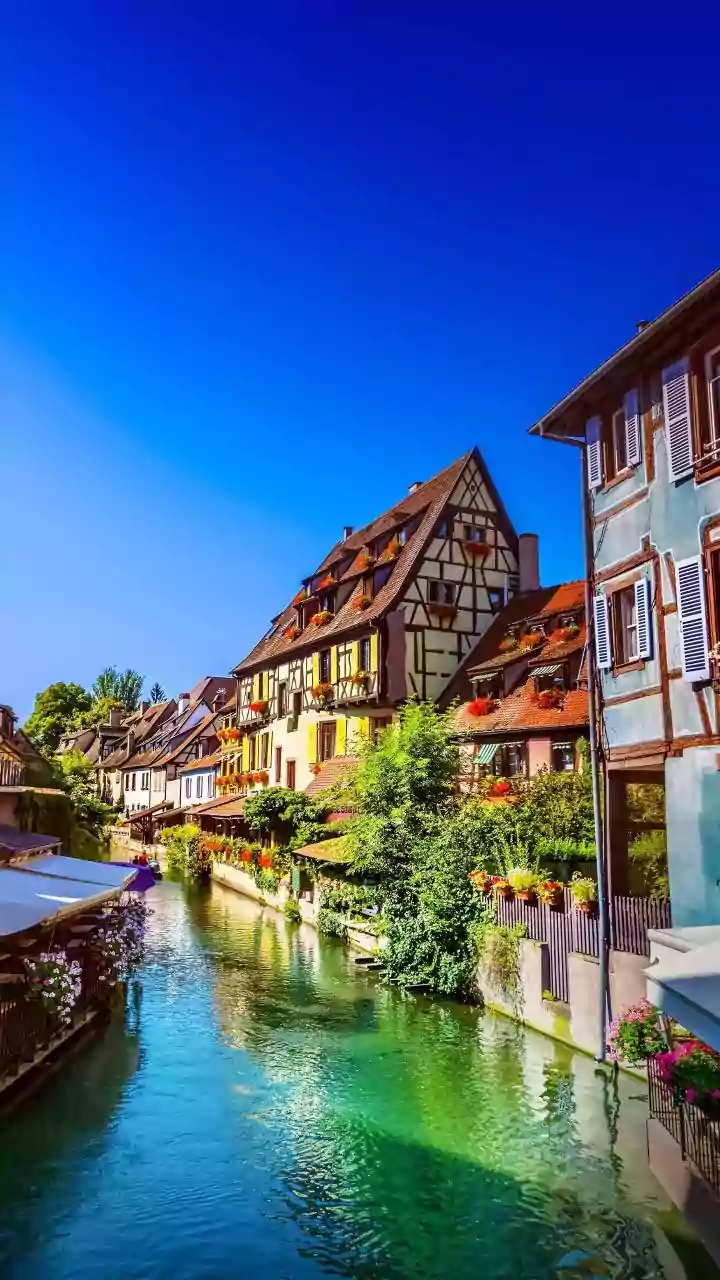
Micro-cations serve as an excellent gateway for discovering new destinations without a substantial commitment. They offer a taste of a place, allowing travelers to gauge their interest and enjoyment without dedicating weeks to a single location. This can lead to a deeper appreciation for a destination or, conversely, provide satisfaction with a brief, focused experience. For instance, a traveler might spend a few days exploring the historic streets of a European city, sampling local cuisine, and visiting key landmarks, returning home feeling enriched and inspired. This selective exploration caters to a desire for variety and discovery, enabling individuals to broaden their horizons by experiencing more of the world in manageable, repeatable doses. It's a strategic way to broaden one's travel portfolio, one short, impactful trip at a time, feeding the wanderlust without demanding a prolonged absence from daily life.
The Rise of Intentional Travel
While 'micro-cation' might suggest casual spontaneity, many travelers approach these short trips with a deliberate, ambitious intent. This means focusing on a new country rather than a familiar spot, or dedicating the time to a specific theme like culture, outdoor activities, or wellness. The goal is often an intense, immersive experience that prioritizes depth over breadth. For example, a four-day trip might be meticulously planned around visiting ancient sites, attending local festivals, or engaging in a particular sport. This intentionality distinguishes micro-cations from simple weekend getaways, which are often calendar-driven by public holidays or spare work days. Instead, a micro-cation is consciously designed to feel like a complete holiday within its tight timeframe, ensuring that every moment is utilized effectively to create a memorable and impactful experience, resonating deeply with the modern traveler's desire for meaningful engagement.
Travel Industry Adaptations
The travel industry is keenly responding to the growing demand for micro-cations by introducing specialized itineraries. Companies are now offering curated short breaks designed to pack adventure and immersive experiences into just a few days. These packages often feature destinations that allow for a complete travel arc – arrival, exploration, and departure – within a short span. For instance, operators are designing trips that enable travelers to hike a volcano, trace archaeological routes, or explore vibrant natural landscapes, all within a four- to six-day window. This shift is evidenced by the rapid success of short-trip product launches, with a significant portion of bookings now concentrated in these condensed formats. The trend also influences accommodation providers, with hostel networks reporting a substantial increase in two- to four-night stays, indicating a broader market shift towards more frequent, shorter travel periods driven by the appeal of concentrated adventure and efficient use of time.
Accessibility and Passport Privilege
The ease and spontaneity associated with micro-cations are not universally accessible, with visa requirements playing a significant role. Individuals holding passports from countries with extensive visa-free travel agreements can often decide to travel on a whim, whereas others may need weeks to secure necessary documentation even for short international trips. This disparity highlights the concept of 'passport privilege' in modern travel planning. However, even with extended planning, a well-executed micro-cation can be incredibly rewarding. Some travelers find that focusing on smaller countries or regions within a larger nation for short trips prevents the feeling of missing out on too much. The key for all travelers, regardless of visa ease, is intentionality—making the most of the limited time by focusing on specific experiences, which can lead to profound connections and a sense of fulfillment, even on a brief excursion.
Restorative Power of Short Breaks
While longer vacations allow the nervous system to fully unwind, micro-cations can still offer significant restorative benefits when approached with intention. In a culture that often prioritizes productivity, consciously disengaging from the constant drive to achieve takes effort, even on a short break. Some travelers intentionally structure their micro-cations around a single, clear purpose, such as visiting a specific historical site or experiencing a particular cultural activity. This focused approach prevents the trip from feeling rushed or fragmented. For instance, a two-night trip centered solely on exploring Pompeii, or a short visit to a famous museum, can provide a deep sense of accomplishment and renewal. By anchoring a short trip around a defining experience, travelers can ensure it feels purposeful and rejuvenating, offering a potent mental reset without the need for an extended absence.
Practical Planning for Impact
To maximize the impact of a micro-cation, a degree of thoughtful planning is essential, even with its spontaneous appeal. Pre-booking key activities, such as guided tours or unique local experiences like a hammam, can provide structure and ensure the trip has shape, allowing other elements to flow naturally around these highlights. Careful consideration of practicalities also prevents unforeseen costs from derailing the budget; the mentality of 'it's only three days' can easily lead to unplanned splurging. Setting a clear budget before departure and even allocating a fixed amount in the destination's currency can help maintain financial control. Furthermore, minimizing energy drain from poorly timed flights or transfers is crucial. By addressing these logistical elements proactively, travelers can ensure their short break is as restorative and enjoyable as intended, free from unnecessary stress or financial surprises.
Environmental Considerations
The brevity of micro-cations does not automatically equate to a minimal environmental footprint. Frequent short trips, particularly those involving flights, can contribute significantly to emissions and exacerbate overtourism in popular destinations. However, thoughtful travel choices can mitigate these impacts. The travel industry is responding by encouraging visits to less-obvious cities and promoting destinations that can absorb visitor numbers more sustainably. Opting for alternative transport methods like rail travel over flying for shorter distances offers a lower-emission option and a more grounded connection to the landscape. Traveling during off-peak or shoulder seasons also reduces pressure on popular sites and spreads tourism income more evenly throughout the year. This approach not only benefits the environment but also provides travelers with lower costs, fewer crowds, and potentially more surprising and authentic experiences, such as an unexpected sighting of the Northern Lights.