



The Magic of Five
Panchmela Dal, a cherished culinary creation from Rajasthan, derives its name and distinctive character from the harmonious amalgamation of five different
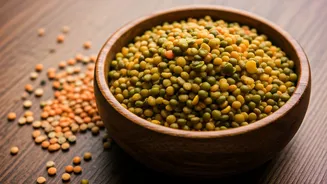
types of lentils. This thoughtful combination is not merely about variety; it's a deliberate approach to crafting a dish that boasts a balanced profile of tastes, textures, and nutritional benefits. Unlike conventional single-lentil preparations, Panchmela Dal offers a complex mouthfeel and a deeply satisfying flavor. It embodies the rustic charm of Rajasthani home cooking and is a comforting presence on both festive tables and everyday dining spreads, showcasing a culinary tradition that celebrates simplicity and wholesome goodness.
Why Panchmela Stands Out
The widespread appeal of Panchmela Dal stems from its ingenious fusion of five distinct lentils, each contributing its unique essence to the final dish, thereby enhancing both flavor and texture. This lentil medley is a nutritional powerhouse, packed with essential proteins that make it an excellent choice for a balanced diet. The authentic Rajasthani essence is meticulously infused through the judicious use of traditional spices and a generous tempering with ghee, a clarified butter that lends a rich aroma and taste. Its versatility shines through its ability to complement a wide array of Indian breads, solidifying its status as a universally adored and adaptable dish within the culinary landscape.
Gathering Your Ingredients
To embark on your Panchmela Dal journey, you will need equal proportions of five key lentils: 2 tablespoons each of toor dal (pigeon peas), moong dal (yellow split lentils), chana dal (split chickpeas), urad dal (split black gram), and masoor dal (red lentils). For the flavorful tempering, procure 1 finely chopped onion, 2 chopped tomatoes, and 2 green chilies. Essential aromatics include 1 teaspoon of ginger-garlic paste. The spice cabinet should house 1 teaspoon each of turmeric powder and red chili powder, along with 1 teaspoon of cumin seeds and a pinch of asafoetida (hing). Crucially, you'll need 2 tablespoons of ghee for the tempering, plus salt to your preference, and fresh coriander for garnishing.
The Cooking Sequence
Begin your preparation by thoroughly rinsing all five types of lentils under running water. Following this, immerse them in clean water and let them soak for approximately 30 minutes; this crucial step ensures they cook evenly and achieve a desirable tender consistency. Next, transfer the soaked lentils into a pressure cooker, adding sufficient water, a teaspoon of turmeric powder, and salt to taste. Cook for three to four whistles, or until the lentils are completely soft and well-integrated. Gently mash them slightly to achieve a creamy, delightful texture.
Crafting the Tadka
In a separate pan, heat 2 tablespoons of ghee over medium heat. Once shimmering, add 1 teaspoon of cumin seeds and let them splutter, releasing their fragrant oils. Introduce a pinch of asafoetida, followed by the finely chopped onions. Sauté the onions until they achieve a beautiful golden-brown hue. Next, add the ginger-garlic paste and chopped green chilies, cooking for another minute until their raw aroma dissipates. Finally, incorporate the chopped tomatoes and cook the mixture until it softens and begins to release its oils, forming a flavorful base.
Uniting Flavors
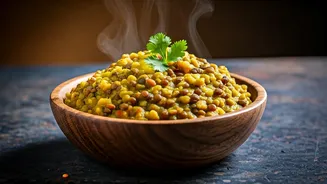
To the sautéed onion-tomato mixture, add 1 teaspoon of red chili powder and stir well to incorporate. Now, carefully pour the cooked and mashed lentils into this prepared tempering. Allow the dal to simmer gently for a few minutes, enabling the flavors to meld together beautifully. Adjust the salt if necessary and add a little water if the consistency is too thick, aiming for your preferred richness. Finish by garnishing generously with freshly chopped coriander leaves for an added burst of freshness and aroma.
Serving Suggestions
Panchmela Dal truly excels when served alongside a variety of complementary dishes. It pairs exceptionally well with fluffy steamed rice or fragrant jeera rice. For a more traditional experience, it is an excellent accompaniment to Indian flatbreads such as rotis, the distinctive Rajasthani baati, or even parathas. This dal is particularly celebrated when presented as part of the iconic dal baati churma ensemble, a quintessential Rajasthani thali that offers a complete and delightful culinary experience.
Enhancing Your Dal
To elevate your Panchmela Dal, always opt for ghee when preparing the tadka; its distinct aroma is fundamental to achieving an authentic Rajasthani taste profile that cannot be replicated with other fats. Do not bypass the lentil soaking step, as it is critical for ensuring that all the lentils cook uniformly, preventing some from becoming mushy while others remain undercooked. Feel free to adjust the quantity of spices to suit your personal palate, whether you prefer it milder or spicier. For an even richer and more appealing texture, lightly mashing the cooked lentils further enhances their creamy consistency.