





Introduction to Italy
Italian cuisine, a global favorite, extends far beyond pizza and pasta. Its regional diversity offers a vast array of flavors, ingredients, and cooking
methods. This culinary adventure focuses on eight key dishes, providing a glimpse into Italy's rich gastronomic heritage. Each dish reflects regional traditions, from the sun-drenched coasts to the mountainous terrains. The focus will be on the preparation and unique characteristics of each dish, highlighting the essence of Italian cooking. This journey will guide you through iconic dishes, giving you a taste of Italy's culinary landscape.
Pasta's Perfection
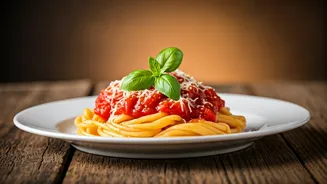
Pasta, the cornerstone of Italian cuisine, appears in countless forms, each paired with specific sauces and ingredients to create culinary masterpieces. Spaghetti with Aglio e Olio, a simple yet flavorful dish, perfectly demonstrates the beauty of Italian cooking. The marriage of garlic, olive oil, chili flakes, and spaghetti creates an unforgettable experience. Then, there's Carbonara, traditionally made with eggs, Pecorino Romano cheese, cured pork (guanciale), and black pepper, is a Roman classic. Another must-try is Lasagna, featuring layers of pasta, meat sauce, béchamel, and cheese, offering a comforting and satisfying meal. These pasta dishes highlight Italian creativity and the joy of simple ingredients.
Risotto's Delight
Risotto, a creamy rice dish, showcases Italian cooking techniques. Prepared by slowly adding broth to Arborio rice while stirring, risotto develops a rich texture. Risotto Milanese, infused with saffron, offers a golden color and delicate flavor. Then there is, Risotto ai Funghi, another popular variation, integrates mushrooms into the rice, creating an earthy and satisfying dish. These rice-based dishes celebrate regional ingredients, allowing the flavors to meld, creating harmony in every bite. With careful attention, risotto transforms into a canvas for showcasing Italy's regional treasures.
Pizza's Pizzazz
Pizza, an Italian icon, offers endless variations. Margherita pizza, with its simple ingredients of tomatoes, mozzarella, basil, and olive oil, represents the Italian flag. Pizza Napoletana, cooked in a wood-fired oven, is characterized by its soft, chewy crust and simple toppings. Further, pizza comes in many forms, with toppings varying from region to region. Whether enjoyed in Naples or beyond, pizza offers a taste of Italy, reflecting the nation's passion for culinary simplicity. These options make pizza a versatile dish for any occasion.
Osso Buco's Triumph
Osso Buco, a slow-cooked veal shank, exemplifies the heartiness of Italian cuisine. Braised in white wine, vegetables, and broth, the meat becomes incredibly tender. The marrow within the bone adds richness and depth. Often served with risotto, Osso Buco represents the best in Italian home cooking. The complex flavors and tender texture make Osso Buco a celebration of Italian flavors and traditions. This dish is considered an example of culinary heritage.
Tiramisu's Temptation
Tiramisu, a classic Italian dessert, provides a sweet ending. It combines coffee-soaked ladyfingers with mascarpone cream, cocoa powder, and sometimes liquor. The contrasting textures and flavors create a delightful dessert experience. Tiramisu showcases Italian skill with simplicity and balance. This dessert is perfect for any special occasion and delivers a sweet balance to the palate. The combination of coffee and chocolate always proves satisfying.
Gelato's Glory
Gelato, the Italian version of ice cream, stands out due to its density and flavor. Made with less air than ice cream, gelato offers a more concentrated taste. Italian gelato features a wide range of flavors, from traditional to experimental. The use of fresh ingredients enhances the taste. Whether it's classic flavors or unique combinations, gelato offers a refreshing treat. The vibrant colors and rich flavors are a treat for the eyes and the taste buds.
Espresso's Essence
Espresso, a concentrated coffee, is an integral part of Italian culture. Served in small cups, it represents an intense flavor and an invigorating experience. Italian coffee culture emphasizes quality and ritual. Whether it's a quick espresso at the bar or a leisurely cappuccino, coffee is a part of the Italian day. Espresso’s strong flavor and aroma create a sensory experience. Drinking espresso offers an authentic experience, essential for anyone wanting to savor Italian traditions. The rich history and cultural significance of espresso contribute to its global popularity.