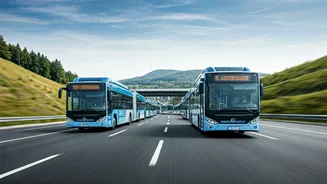









Safety First, Always
Safety remains the paramount concern when it comes to employee transport. Companies in India are increasingly focusing on robust safety measures to protect
their employees during their commutes. This includes rigorous vehicle maintenance checks, ensuring drivers undergo comprehensive training, and adhering to all road safety regulations. Implementing real-time tracking systems and providing emergency support features are also becoming standard practices. To enhance security, organizations often incorporate measures such as CCTV cameras inside vehicles, as well as providing panic buttons, to enable employees to seek immediate assistance during any unforeseen circumstances. Proper adherence to these practices not only protects employees, but also boosts their morale and helps create a work environment that prioritizes their well-being and security.
Tech's Transforming Impact
Technology is dramatically reshaping employee transportation in India, offering improved efficiency and convenience. Many businesses are now leveraging apps and online platforms to manage their transport services, facilitating everything from booking rides to tracking vehicles in real-time. These digital tools improve route planning, optimizing schedules, and cutting down on commute times. Furthermore, the integration of data analytics allows companies to gather valuable insights into transportation patterns, leading to informed decision-making and operational improvements. GPS-enabled tracking and communication systems are crucial features, allowing transport managers to monitor vehicle locations and communicate with drivers, enhancing overall safety and response capabilities. Smart technologies are also paving the way for innovations like automated vehicle allocation, helping to streamline operations and ensure efficient resource utilization.
Sustainability in Transit
As environmental concerns grow, sustainability is becoming a key factor in employee transportation. Companies in India are beginning to embrace eco-friendly practices to reduce their carbon footprint and promote a greener commute. This shift includes the adoption of electric vehicles (EVs) and hybrid options, as well as encouraging carpooling and vanpooling to decrease the number of individual vehicles on the road. Implementing fuel-efficient driving practices and optimizing route planning can also contribute to lower emissions and reduced fuel consumption. Furthermore, many organizations are investing in public transport options and supporting initiatives that promote cycling and walking to work, providing employees with a wider selection of environmentally friendly transit choices. This transition not only benefits the environment but also aligns with corporate social responsibility goals and attracts environmentally conscious employees.