

Watering Wisdom First
Before embarking on your vacation, the cornerstone of plant care is ensuring they are thoroughly hydrated. Saturate the soil until it's evenly moist, but
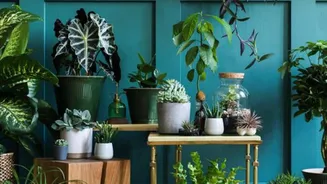
exercise caution against overwatering, which can be detrimental, especially for plants in containers lacking adequate drainage. A smart strategy is to cluster plants that share similar thirst preferences. This facilitates streamlined moisture management and protects more delicate specimens from rapid dehydration. By grouping them, you create a microclimate that aids in retaining moisture and promotes a healthier environment for all your greenery during your absence. This initial step is crucial for setting your plants up for success.
DIY Hydration Solutions
You don't need elaborate gadgets to keep your plants quenched while you're away. Simple, homemade solutions can be remarkably effective. Consider the bottle method: fill a plastic bottle with water, puncture a small hole in its cap, and invert it into the soil. This allows for a slow, steady release of water. Another ingenious technique is the wick method, which uses a cotton cloth or string to draw moisture from a reservoir into the plant's soil. For brief excursions, placing smaller potted plants into shallow water trays can also provide sufficient hydration. These accessible methods ensure your plants receive consistent moisture without requiring constant intervention.
Trip Length Matters
The duration of your holiday directly influences the plant care strategies you should employ. For short getaways of just two to three days, a thorough watering session before you leave is typically sufficient to keep your plants content. If your trip extends to about a week, it's wise to implement the DIY watering methods discussed earlier, such as the bottle or wick system, to maintain soil moisture. For extended absences exceeding a week, a combination of self-watering techniques becomes essential. In these cases, it's also highly recommended to enlist the help of a trusted neighbor or friend to perform occasional check-ins and provide supplemental watering if necessary, ensuring your plants are well-cared for throughout your entire vacation.
Light Adjustment Tactics
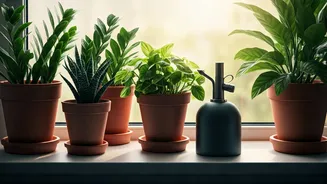
Sunlight, particularly the intense Indian sun during warmer months, can be quite harsh on plants. To protect them while you're away, relocate them slightly from direct sunlight. Instead, position them in areas where they can receive bright, indirect light. This crucial adjustment significantly reduces the rate of water loss through transpiration and helps prevent leaf scorching. By moderating their exposure to intense solar radiation, you create a more stable environment that conserves moisture and safeguards the health of your plants, ensuring they don't suffer from dehydration or sun damage during your vacation.
Mulching for Moisture
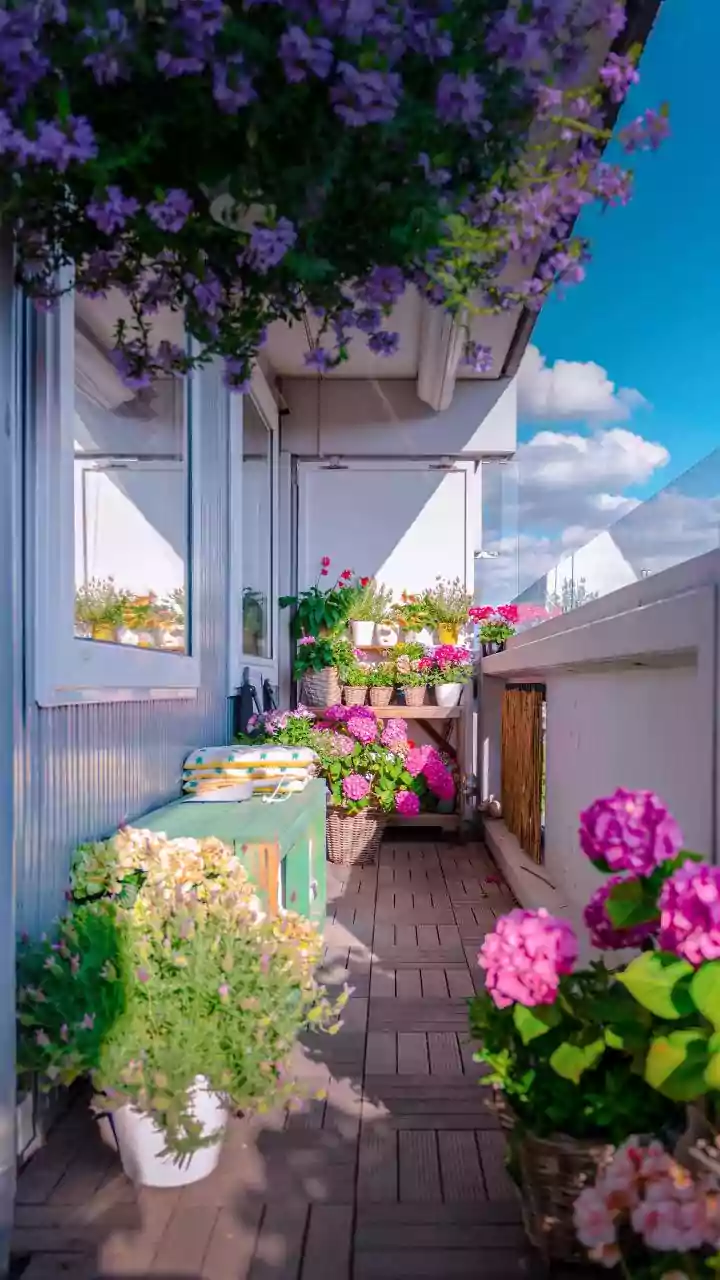
Incorporating a layer of mulch is an excellent strategy for combating water evaporation from the soil surface. In an Indian household, you can effectively use readily available materials such as dry leaves, coconut husk, or even shredded newspaper as mulch. This practice is particularly beneficial for plants situated on balconies or terraces, which are often more exposed to the heat and elements. By creating a protective blanket over the soil, mulch helps to retain vital moisture, reducing the frequency with which your plants will need watering and enhancing their resilience, especially during periods of high temperatures.
Pruning and Purity
Before you depart for your vacation, it's beneficial to trim and clean your plants. Remove any dead or dry leaves, as well as any damaged stems or foliage. This light pruning not only helps to reduce the plant's overall water requirements but also contributes to its continued health and vigor while you're gone. Furthermore, keeping your plants clean minimizes the risk of pests and diseases taking hold. A tidy plant is a healthier plant, better equipped to withstand a period without direct supervision and less likely to develop issues that could cause damage.