





The Gut's Internal Clock
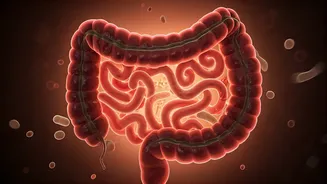
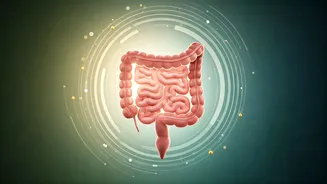
Our colons possess an intrinsic biological clock, often termed the gut's circadian rhythm, which dictates their activity. This internal timing is intricately
linked to our daily patterns, including when we sleep, eat, and experience stress. When these routines are thrown off balance, perhaps due to erratic work hours, travel, or heightened anxiety, the digestive system can falter, leading to common complaints such as constipation or unpredictable bowel movements. The body relies on signals like the gastrocolic reflex, which triggers bowel activity after waking or eating, and hormonal influences like motilin and cortisol, to ensure smooth operation. Ignoring these natural urges, especially when rushing for appointments, can cause this rhythm to become desynchronized over time. Consequently, waste remains in the colon for extended periods, leading to increased water absorption, harder stools, and difficulty in passing them.
Signs of a Disrupted Rhythm
Recognizing when your bowel rhythm is out of sync is crucial for maintaining digestive health. Several tell-tale signs can indicate that your colon is struggling to maintain its natural flow. These include persistent difficulty in passing stools, experiencing hard or dry feces, and noticeable bloating or general abdominal discomfort. You might also find yourself straining excessively during bowel movements, a habit that can lead to more serious issues like hemorrhoids, anal fissures, and even pelvic floor dysfunction over time. Another common indicator is the persistent feeling of incomplete evacuation after attempting to go. It's worth noting that urban populations, particularly in India, report a higher prevalence of functional constipation, often more pronounced during weekdays, suggesting a link between lifestyle disruptions and digestive regularity. This highlights the importance of heeding your body's signals.
Hack 1: Regular Meals
Establishing a consistent meal schedule is a cornerstone of restoring a healthy bowel rhythm. By consuming your meals at approximately the same times each day, you provide your digestive system with predictable cues. The colon, in particular, responds favorably to regularity, and this predictable intake encourages a more consistent pattern of bowel movements. Skipping meals or having erratic eating habits can confuse the digestive process and disrupt the natural flow of waste elimination. Aim to make breakfast a priority, as it plays a key role in triggering the gastrocolic reflex, initiating the day's digestive activity and prompting your colon to begin its work. This simple habit of consistent nourishment supports the body's internal clock.
Hacks 2 & 3: Fiber and Hydration
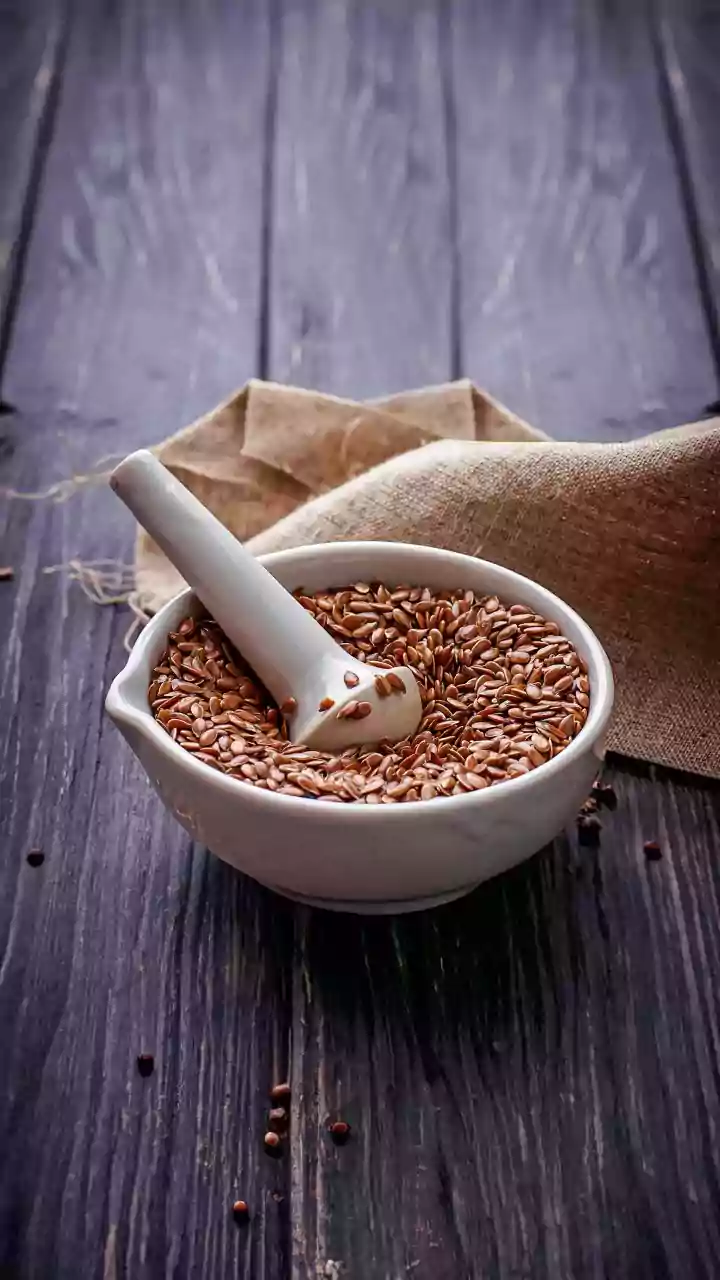
Two fundamental pillars of digestive health are adequate fiber intake and sufficient hydration. Consuming a diet rich in fiber, sourced from fruits, vegetables, whole grains, and legumes, is essential. Fiber adds bulk to your stool, making it softer and easier to pass through the colon, thereby preventing constipation. For adults, a daily intake of 25 to 30 grams of fiber is recommended. Equally important is staying well-hydrated. Drinking plenty of water throughout the day is vital for keeping stools moist and promoting smooth passage. Dehydration can lead to harder, more difficult-to-pass stools, exacerbating constipation. Warm water, especially when consumed soon after waking, can be particularly beneficial in kickstarting the digestive system and aiding in bowel regularity.
Hacks 4 & 5: Exercise and Stress
Physical activity and effective stress management are powerful allies in maintaining a healthy bowel rhythm. Regular exercise, such as a brisk 30-minute walk daily, stimulates the muscles in your intestines. This muscular activity aids in propelling waste through the colon more efficiently, promoting regularity. Beyond the physical benefits, managing stress is critical, as the gut is highly sensitive to emotional and psychological states. High stress levels can significantly disrupt digestive function. Incorporating stress-reducing techniques like meditation, deep breathing exercises, or yoga can help calm the nervous system and, consequently, improve bowel regularity. By addressing both the physical and mental aspects, you create a more supportive environment for your digestive system.
Hack 6: Listen to Your Body
The final, yet perhaps most crucial, hack is to consciously listen to your body's signals. When you feel the urge to have a bowel movement, it's important to respond promptly. Holding it in, especially when you are pressed for time, can disrupt the colon's natural rhythm and contribute to constipation over time. Dedicate specific time slots, ideally after meals, for bowel activity. Sitting near a toilet for 20 to 40 minutes after eating, if you feel the urge, can allow your body the necessary time to complete the process without strain. By respecting these natural urges and establishing a consistent toilet routine, you reinforce your body's innate digestive clock and promote long-term gut health. If issues persist, consulting a healthcare professional is advised.