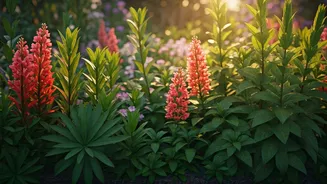






Vibrant Blooms for Sunlit Spots
Transform your sunniest garden areas with an array of colorful and resilient flowering plants. Blanket Flower (Gaillardia) offers fiery hues and long-lasting
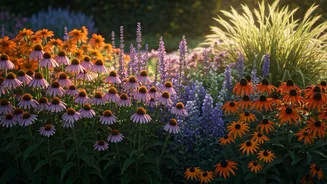
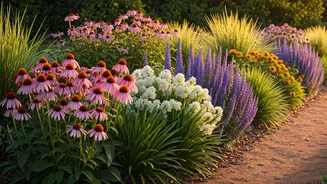
blooms, thriving in well-draining soil across USDA Zones 3-10. Cosmos, with their diverse colors and petal shapes, are easy to cultivate and are perfect for wildflower meadows or DIY bouquets, suitable for Zones 2-11. Marigolds, known for their heat tolerance and cheerful, puffy blossoms, flourish in bright locations and are forgiving of various soil types, thriving from Zones 2-11. Black-Eyed Susans (Rudbeckia) provide a cheerful, drought-resistant display resembling mini sunflowers, and are quite pest-resistant, happy in Zones 3-9. Milkweed is a magnet for pollinators like butterflies and bees, thriving in full sun across Zones 3-9, though it can spread, so careful placement is advised. Yellow Alyssum acts as a superb ground cover in sunny locales, best as an annual in hot climates but perennial in milder regions (Zones 3-7). Snow-in-Summer, with its crisp white blooms, thrives in full sun and prefers poor, acidic soil, making it an easy-to-grow option for Zones 3-8. Zinnias bring a spectrum of vibrant colors, with their hues intensified by ample sunlight; they are heat-tolerant and only need occasional watering, being drought-tolerant in Zones 2-11. Yarrow offers elegant structure and attracts pollinators, tolerating both hot and cold weather and becoming drought-tolerant once established, thriving in Zones 3-9. Canna Lilies provide lush color through their vibrant leaves and blooms, requiring moist soil and consistent watering in full sun for Zones 6a-10a.
Hardy Shrubs and Architectural Grasses
Expand your sun-loving landscape with robust shrubs and grasses that offer texture, color, and enduring appeal. The Purple Leaf Sand Cherry stands out with its deep red foliage and delicate pink to white blossoms, its colors intensifying with more sunlight, thriving in USDA Zones 2-8. Potentilla is a remarkably hardy shrub that provides continuous blooms in shades of yellow, orange, pink, or white throughout the summer, adapting well to various conditions. Spirea offers adaptability with attractive foliage and spring or summer flowers, generally requiring minimal pruning for a neat appearance. Juniper, an evergreen shrub, is exceptionally drought-tolerant and a prime choice for low-maintenance landscaping, available in diverse shapes and sizes. Rosemary (Rosmarinus officinalis), besides its culinary use, is a fragrant shrub that loves full sun and well-drained soil, becoming drought-tolerant once established. Ornamental Grasses, such as Feather Reed Grass and Switchgrass, are paragons of low-maintenance gardening, providing dynamic texture and movement to the garden, and typically only need an annual cutback. Creeping Juniper offers a beautiful hazy blue-green foliage and serves as an excellent, low-maintenance ground cover choice for sunny spots, thriving in Zones 3-9 and requiring consistent watering during growth but handling infrequent watering once established.
Succulent Resilience and Essential Care
Embrace plants that require minimal watering and flourish in the sun's embrace, including the versatile Aloe Vera. This spiky, multi-purpose succulent thrives in full to partial sun and is renowned for its low-maintenance nature, needing its soil to dry out between waterings and no water during winter, suitable for Zones 10-12. Russian Sage offers a lovely bushy form for sunny areas, resembling lavender but with greater resilience and adaptability across wider zones (3a-9b), preferring drier conditions once established. For success with these sun-worshippers, start with well-draining soil, amending heavy clay with compost. Applying mulch is crucial for retaining moisture, suppressing weeds, and regulating soil temperature, especially during establishment. While these plants are drought-tolerant, they still require regular watering during their initial growth phase and during extended dry periods. Over-fertilizing is unnecessary; a light feeding in spring is usually sufficient. Pruning, when needed for shape or to remove dead growth, and deadheading can encourage more blooms and maintain plant health.