





What is Skyr?
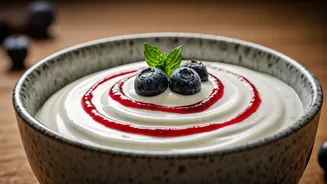
Skyr, a celebrated Icelandic treasure, is a cultured dairy product that stands apart from typical strained yogurts. It boasts a luxuriously thick and creamy
texture, reminiscent of Greek yogurt but distinguished by a milder, more delicate flavor profile. Beyond its delightful taste, skyr is exceptionally nutrient-dense, offering a significant boost in high-quality protein, essential calcium, and beneficial probiotics, all while remaining remarkably low in fat and lactose. This makes it an outstanding dietary addition for individuals focused on weight management, aiming to increase their protein intake, or seeking a healthier alternative to conventional yogurts. Its inherent low-lactose content also makes it a suitable option for many individuals who are sensitive to lactose, further expanding its appeal as a versatile and health-conscious dairy choice.
Budget-Friendly Ingredients
Creating authentic skyr at home doesn't require a trip to specialty stores or a hefty expenditure. The core ingredients are readily available and incredibly economical. You'll need one litre of skimmed milk, which forms the base of this creamy delicacy. To kickstart the culturing process, a mere two tablespoons of store-bought skyr yoghurt are sufficient. This starter culture contains the necessary live bacteria to transform the milk into the characteristic skyr. Additionally, you'll need a muslin cloth for straining; this allows you to achieve that signature thick consistency by separating the whey from the curds. The combined cost of these items is significantly less than purchasing pre-made skyr, making this homemade version a truly wallet-friendly option.
Simple Step-by-Step Method
The process of making skyr at home is surprisingly straightforward, requiring minimal active time and a few key steps. Begin by gently heating one litre of skimmed milk in a pot until it reaches precisely 80 degrees Celsius. This crucial step pasteurizes the milk and sets the stage for the culturing process. Allow the milk to cool down to a comfortable 40 degrees Celsius, a temperature optimal for the live cultures in the starter skyr. Once cooled, thoroughly mix in two tablespoons of your store-bought skyr yoghurt. Transfer this mixture into a suitable container, cover it, and place it in a warm environment for approximately eight hours. During this time, the magic happens as the milk cultures and thickens. After the incubation period, it's time to strain the set yoghurt using a muslin cloth over a bowl to remove excess whey. Finally, refrigerate the strained skyr overnight to allow it to set further and develop its characteristic texture, ready for your enjoyment the next day.
Nutritional Powerhouse Benefits
Skyr is celebrated not just for its taste and texture, but also for its impressive nutritional profile. Packed with high-quality protein, it offers a substantial amount of essential amino acids vital for muscle repair and growth. Each 100g serving typically contains between 11-12g of protein, making it an excellent choice for athletes or anyone looking to increase their protein intake. It's also a good source of calcium, contributing to strong bones and teeth. The presence of probiotics supports a healthy gut microbiome, aiding digestion and potentially boosting immunity. Furthermore, being made from skimmed milk, it is naturally low in fat and sugar, aligning perfectly with weight management goals. Its low lactose content makes it more digestible for those with sensitivities, offering a delicious way to consume dairy while reaping significant health benefits.
Versatile Consumption Ideas
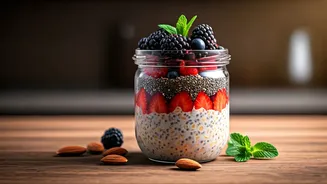
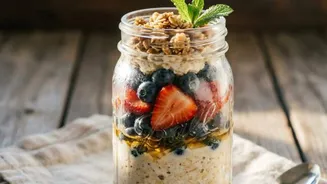
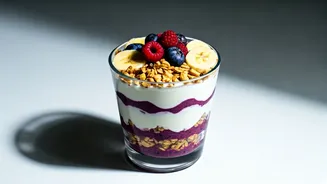
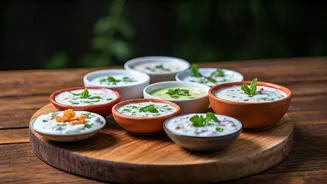
The versatility of homemade skyr means it can be incorporated into your diet in numerous delicious ways, catering to any meal of the day. For a healthy and satisfying breakfast, enjoy it plain or lightly sweetened with a drizzle of honey or maple syrup. Elevate it further by adding fresh berries, crunchy nuts, or your favorite granola for added texture and flavor. Skyr also makes an excellent base for savory applications; consider using it as a thick dip for fresh vegetables and crackers, perfect for an afternoon snack. For a refreshing beverage, blend it into smoothies with fruits like mangoes or berries for a protein-packed drink. Its thick consistency also makes it a viable substitute for sour cream or mayonnaise in some recipes, expanding its culinary applications even further.