






The Quiet Danger
Many individuals tend to disregard early indications of internal discomfort, waiting until a significant pain emerges before seeking medical attention.
However, serious organ damage often begins subtly, signaled by minor shifts in bodily functions that are easily dismissed. Dr. Bhanu Mishra highlights that organ damage can occur without pronounced symptoms, as people tend to overlook these subtle stress signals. The critical challenge lies in discerning these easily ignorable signs, because by the time symptoms become undeniable, the damage may have advanced considerably. This quiet peril underscores the importance of recognizing that seemingly minor bodily changes are not arbitrary but are indeed early warnings of internal strain and that proactive awareness is the first step towards prevention.
Unexplained Fatigue
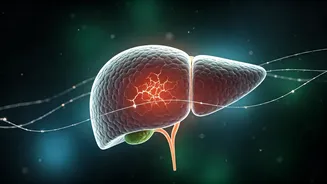
Persistent tiredness that sleep doesn't alleviate can be more than just a sign of a busy lifestyle; it may indicate that your kidneys or liver are struggling to effectively filter waste and process nutrients. Dr. Mishra explains that this chronic fatigue, distinct from sleep deprivation, can significantly impact your energy levels and cognitive functions, making it difficult to concentrate and demotivating. Over time, individuals might adapt to this low energy, perceiving it as their new normal and thus easier to ignore. Research published in the J indicates a silent rise in lifestyle-related diseases, often identified only through routine health assessments, reinforcing the notion that such chronic fatigue could be an early indicator of underlying organ stress.
Brain's Distress Signals
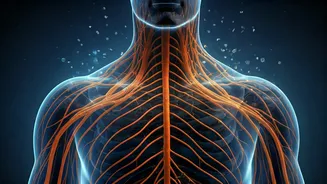
The brain, much like other organs, signals distress subtly rather than with sudden failure. Recurring headaches, persistent 'brain fog,' and difficulties in focusing on simple tasks are often attributed to stress or excessive screen time, but they can point to deeper neurological strain. Dr. Mishra suggests that these symptoms might be linked to dehydration, elevated blood pressure, or the presence of toxins within the body. Dr. Gaurav Batra further elaborates that changes in cognitive abilities, such as memory lapses or reduced concentration, can indicate that the brain is under significant strain. Even mild dizziness or brief moments of unsteadiness should not be dismissed, as they might signal nerve compression or impaired circulation, highlighting the importance of noticing these less dramatic yet significant indicators.
Urine, Appetite, and Gut
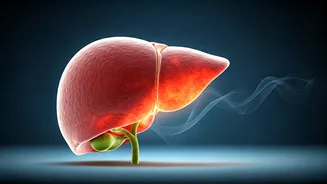
Internal imbalances often manifest through observable changes in bodily waste, eating habits, and digestive function. Dr. Mishra cautions that alterations in urine color, swelling in the legs, and puffiness around the eyes can signify kidney stress, even if these are easily attributed to diet or environmental factors. Similarly, the digestive system provides crucial feedback; frequent bloating, a diminished appetite, or recurring discomfort after meals might not solely be food-related. These symptoms can point to stress on the liver or pancreas. While not overtly alarming, the consistent nature of these signs should raise concern and prompt closer examination of potential underlying organ strain.
Skin, Hair, and Nails
The external appearance of the body, particularly the skin, hair, and nails, often serves as a direct reflection of internal health. Dr. Neeharika Goyal notes that a dull complexion, persistent itching, or a subtle yellowish hue to the skin can indicate that something is amiss internally, beyond cosmetic concerns. She also emphasizes that brittle nails, thinning hair, or unusual fatigue may signal nutrient deficiencies or broader internal imbalances. The skin's condition is a truthful indicator of what the body is lacking, absorbing, or struggling to process, making these external signs valuable clues to an organ's state.
Minor Discomforts, Deeper Clues
Warning signs of organ stress are not always severe; minor physical discomforts can also point to deeper issues. Slight back stiffness, intermittent leg numbness, or fleeting dizziness upon standing can indicate early nerve or spine strain. Dr. Batra highlights that while these symptoms might be overlooked due to their transient nature, they can signify the onset of nerve compression or circulation problems. The key is to recognize patterns in these recurring, seemingly minor symptoms, as their frequency and consistency are more telling than their intensity. Early detection through recognizing these subtle cues is vital for preventing long-term damage.
Prevention Through Habits
Preventing organ damage isn't about dramatic interventions but rather consistent, healthy daily practices. Dr. Mishra emphasizes the importance of adequate hydration for kidney function and a balanced diet rich in whole foods, fiber, and antioxidants to reduce stress on the liver and digestive organs. Minimizing processed foods, excessive salt, sugar, and alcohol is crucial. Regular exercise enhances circulation and organ efficiency, while sufficient rest aids bodily recuperation. Dr. Goyal echoes the need for balance in nutrition, hydration, and stress management. Dr. Batra adds that maintaining good posture, staying active, and reducing screen time are important for neurological well-being. Crucially, regular medical check-ups, even in the absence of symptoms, are an indispensable part of proactive health management.
Early Awareness is Key
The body typically provides ample warning before developing serious health issues, offering signals and making adjustments. The primary obstacle to health is not the body's silence but our inattention to its subtle communications. These signs are easily missed as they blend into the fabric of daily life, yet recognizing them early can fundamentally alter health outcomes. Cultivating awareness of these quiet warnings is the first and most crucial step toward a healthier future, transforming the perception of well-being from a reactive state to a proactive journey.