






Understanding The Flexitarian Way
The flexitarian diet is more of a lifestyle choice than a rigid set of rules, focusing on incorporating more plant-based meals into your routine while
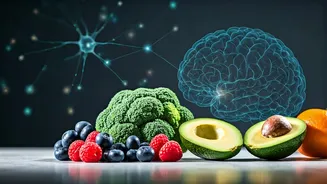
not completely excluding animal products. This approach, often described as 'mostly vegetarian,' emphasizes vegetables, fruits, legumes, nuts, and seeds, making it inherently rich in nutrients and fiber. Unlike strictly vegan or vegetarian diets, it offers the flexibility to include small portions of fish, eggs, dairy, and lean meats, making it more approachable and sustainable for many individuals. Experts highlight that this balanced philosophy supports overall health, particularly when the focus remains on whole, unprocessed foods. The key lies in increasing the intake of nutrient-dense plant foods, thereby naturally enhancing the consumption of beneficial compounds that promote well-being. This dietary pattern is designed for practicality, allowing individuals to adapt it to their personal preferences and lifestyles without feeling deprived or overwhelmed.
Fiber's Crucial Gut Role
Dietary fiber stands out as a primary advantage of adopting a flexitarian eating pattern, playing a pivotal role in maintaining a healthy digestive system. Fiber acts as a regulator for bowel movements, preventing both constipation and diarrhea, and crucially, it serves as the primary food source for beneficial microorganisms residing in the gut. These gut microbes are fundamental to our digestive health; a thriving microbiome, fueled by adequate fiber intake, leads to smoother digestion, better absorption of vital nutrients, and a reduction in inflammatory responses within the gastrointestinal tract. When these microorganisms break down fiber, they produce short-chain fatty acids (SCFAs), which are essential for reducing intestinal inflammation and reinforcing the integrity of the gut lining. This nourishment fosters a symbiotic relationship, where the microbes support our health in return for sustenance, leading to enhanced digestive comfort and overall well-being.
Flexibility Enhances Sustainability
The inherent flexibility of the flexitarian diet is a significant factor contributing to its long-term adherence and success. By permitting the occasional inclusion of animal-derived foods, it removes the stringent restrictions that often lead to burnout in more rigid dietary plans. This balanced approach allows individuals to meet their nutritional needs more easily; for instance, incorporating fish, eggs, or lean meats can provide essential nutrients like vitamin B12, iron, and high-quality proteins that might be more challenging to obtain solely from plant sources. Furthermore, this adaptability is particularly beneficial for people with busy lifestyles or frequent travel schedules. The ability to make varied meal choices without compromising dietary goals ensures consistency in eating habits, making it far more practical to maintain a healthy diet amidst daily challenges. This blend of plant-forward principles and occasional animal product inclusion makes the diet both enjoyable and sustainable over time.
Prioritizing Food Quality
While the flexitarian diet champions a plant-centric lifestyle, it is imperative to emphasize that not all plant-based foods are created equal when it comes to promoting gut health. The quality of the food choices remains paramount. Opting for highly processed meat substitutes, refined grains, or sugary alternatives can still negatively impact the gut microbiome and disrupt digestive balance. Experts advise against replacing meat with items that are heavily processed or laden with sugar, as these can lead to adverse digestive effects. Instead, the focus should be on minimally processed foods. This includes a wide array of legumes, lentils, tofu, tempeh, diverse vegetables, and whole grains, all of which contribute significantly to both digestive wellness and overall nutritional intake. Additionally, incorporating fermented foods like yogurt can be highly beneficial, providing beneficial bacteria that further support a healthy gut ecosystem. Therefore, mindful selection of whole, nutrient-dense foods is key to maximizing the gut-friendly benefits of a flexitarian approach.