





Genetics vs. Lifestyle
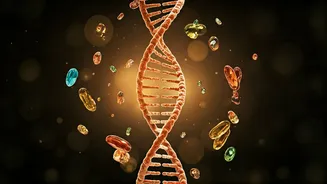
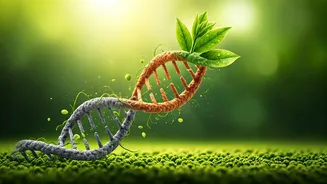
The common belief that cancer is an unavoidable genetic inheritance is largely a myth. While a small percentage of cancers, estimated between 5-10%, are
indeed linked to inherited gene mutations, the overwhelming majority, approximately 90-95%, are profoundly influenced by external factors and personal habits. This significant distinction empowers individuals, shifting the focus from passive acceptance to active prevention. It reframes responsibility not as blame, but as a powerful awareness that can lead to practical, achievable strategies for reducing one's risk. Understanding this dynamic is the first step towards taking control of your health destiny. Medical experts consistently emphasize that while genes might predispose, it's often our daily routines and environmental exposures that ultimately trigger the disease, making lifestyle modifications a cornerstone of cancer prevention.
Smoking's Deadly Grip
Despite extensive awareness campaigns spanning decades, tobacco use remains a preeminent driver of cancer globally. The World Health Organization reports that smoking is responsible for a staggering 85% of lung cancer cases worldwide. This single habit's impact is so profound that it can often overshadow genetic predispositions for many individuals. Furthermore, the carcinogenic effects of smoking extend far beyond the lungs, increasing the likelihood of developing cancers in the mouth, throat, pancreas, and bladder. Its danger is compounded by its cumulative nature; the longer and more frequently one smokes, the greater the risk becomes. Encouragingly, quitting smoking at any stage of life, even later in years, demonstrably slashes this elevated risk, underscoring its potent impact on cancer development.
Air Pollution: A Silent Threat
Unlike smoking, air pollution is an involuntary exposure, a pervasive environmental challenge particularly acute in urban settings. The International Agency for Research on Cancer (IARC) has classified outdoor air pollution and its particulate matter as carcinogenic to humans, placing them in the same high-risk category as tobacco. This means that consistent exposure to poor air quality, especially elevated levels of particulate matter, is directly linked to an increased risk of developing lung cancer. Over time, this chronic exposure can silently inflict damage on lung tissues, compromising their integrity and elevating long-term cancer risk. This growing concern explains why non-smokers are increasingly being diagnosed with lung cancer, highlighting the pervasive nature of this environmental carcinogen.
Everyday Habits Matter
Cancer risk isn't born from a single unhealthy meal or a sporadic lack of exercise; rather, it's a gradual accumulation of daily lifestyle patterns. A diet laden with processed foods, insufficient physical activity, persistent stress, and poor sleep contribute to a biological environment ripe for inflammation. This chronic inflammation can progressively damage cells and impair their natural repair mechanisms, paving the way for disease. Reports, including those by government bodies, highlight a correlation between evolving lifestyle habits, particularly in urban India, and rising cancer incidence. Similarly, established research explains how prolonged exposure to factors such as obesity and excessive alcohol consumption significantly contribute to cancer development, emphasizing that these are not isolated incidents but rather pervasive everyday patterns.
Natural Prevention Strategies
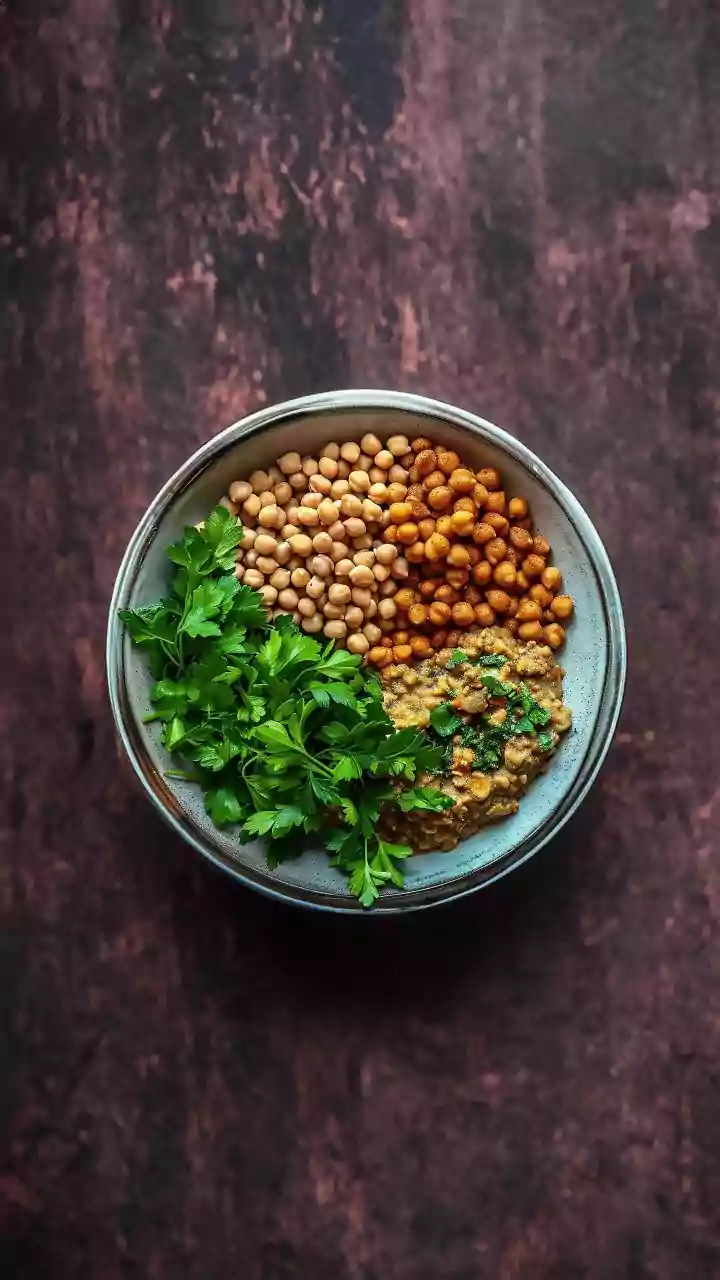
Minimizing cancer risk doesn't necessitate drastic life overhauls; instead, it thrives on the consistent adoption of beneficial habits. Foremost is the complete avoidance of tobacco. If currently using tobacco, cessation is the single most impactful step one can take. Be mindful of air quality; on days with high pollution levels, it's advisable to limit outdoor excursions and utilize protective masks. Integrating physical activity into your daily routine is crucial; even a 30-minute brisk walk can significantly enhance metabolic health. Prioritize foods in their most natural state—abundant fruits, vegetables, whole grains, and home-cooked meals contribute positively over time. Ensuring adequate sleep and effective stress management, though often overlooked, are vital for the body's cellular repair processes. Finally, adhere to recommended screening schedules, as early detection dramatically improves outcomes.
Challenging the Genetic Narrative
The notion that cancer is an inevitable fate dictated by one's genetic makeup is a pervasive misconception that medical professionals are actively countering. While family history can indeed influence cancer risk, its role is often oversimplified. As noted by medical oncologists, the reality is that only a small fraction of cancers (5-10%) are directly attributable to inherited genetic mutations. The vast majority (90-95%) are linked to a complex interplay of lifestyle and environmental exposures. This crucial insight fundamentally alters the conversation around cancer, demonstrating that risk is not static but dynamic—it can be influenced, increased, or reduced based on daily choices and habits, offering a hopeful perspective on prevention.
Modern Treatment, Timeless Prevention
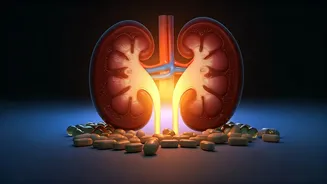
The perception of cancer treatment as solely arduous and confined to hospital settings is evolving. Oncology is increasingly adopting patient-centric approaches, aiming to balance treatment efficacy with improved quality of life and practicality. Newer treatment modalities are designed to reduce administration times, enabling patients to spend more time in their familiar environments and less time in clinical settings. While this evolution in treatment is beneficial for managing the disease and improving patient experiences, it does not diminish the paramount importance of prevention. Even the most sophisticated medical interventions cannot fully rectify the cumulative damage sustained from prolonged exposure to known risk factors, reinforcing that proactive, preventative measures remain the most effective long-term strategy.